Wondering if you should handle a clogged drain yourself or call in a pro? Learn when a DIY fix is enough and when it’s time to bring in a plumber to prevent bigger plumbing disasters.
Why Drains Get Clogged
A clogged drain isn’t just annoying—it can lead to standing water, bad smells, and even pipe damage. Some clogs are easy to fix, but deeper ones need a plumber.
Hair & Soap Scum
Hair tangles up in pipes, and soap scum sticks to everything. Over time, this sticky mess hardens, slowing drainage and making it tough to clear without the right tools.
Grease & Oil
Grease goes down the drain as a liquid but hardens as it cools, sticking to pipes and trapping food bits. Hot water won’t wash it away, and clogs just keep growing.
Food Scraps & Coffee Grounds
Garbage disposals can’t handle everything. Coffee grounds, pasta, and eggshells turn into thick sludge, while fibrous foods like celery wrap around the blades, slowing drainage.
Flushing the Wrong Things
Toilets are meant for waste and toilet paper—nothing else. Wipes, paper towels, and hygiene products don’t break down like toilet paper and can block pipes fast.
Objects That Don’t Belong
Toothbrushes, jewelry, cotton swabs, and even toys sometimes end up in drains. Once stuck, they can cause stubborn clogs that a plunger won’t fix.
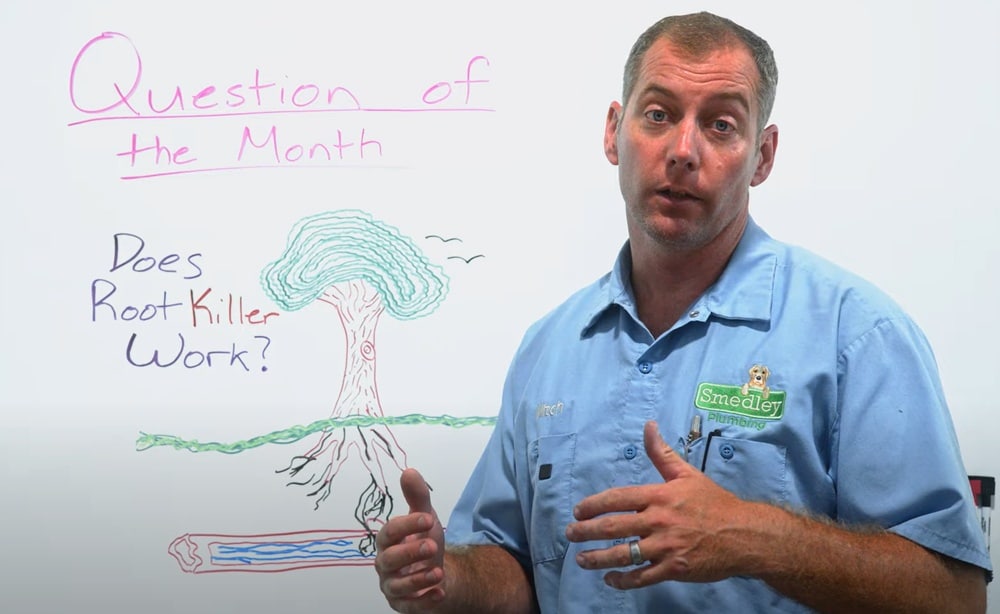
Tree Roots in Pipes
Tree roots push through small cracks in sewer lines, growing fast and blocking water flow. The longer they’re left alone, the worse they get.
Mineral Buildup
Hard water leaves behind minerals like calcium, which build up inside pipes. Over time, this narrows the opening and slows drainage.
Sewer Line Blockages
If multiple drains are slow or backing up, your main sewer line could be clogged by grease, roots, or a damaged pipe. If sewage backs up, it’s an emergency.
Clogged Drains: A Common Plumbing Problem
A slow sink, a backed-up shower, or a toilet that won’t flush—nothing ruins your day faster. Clogged drains happen all the time, and while some are easy to fix, others hide bigger issues deep in your pipes.
So, should you try a DIY fix or call a plumber?
Let’s break it down.
DIY Drain Fixes: Try These Before Calling a Plumber
A slow drain isn’t always an emergency. Sometimes, a simple fix can get things flowing again. If your sink, tub, or toilet is draining sluggishly but not fully blocked, try these easy tricks before picking up the phone.
Hot Water & Dish Soap (For Grease Buildup)
Grease is a common problem in kitchen sinks. It cools, hardens, and sticks to your pipes, making drainage slow. Try this:
- Boil a pot of water and mix in a few drops of dish soap.
- Pour it down the drain slowly to break up the grease.
- Follow with more hot water to flush everything out.
Plunger Trick (For Sinks & Toilets)
Plungers aren’t just for toilets—they work great on slow-moving sinks and tubs too.
- Use a cup-style plunger for sinks and a flange-style plunger for toilets.
- Press down firmly to create a seal, then plunge up and down for about 30 seconds.
- If the water starts draining, the clog is gone!
Baking Soda & Vinegar (For Light Clogs & Odors)
This natural method is great for freshening up drains and clearing small blockages.
- Pour ½ cup of baking soda down the drain.
- Add 1 cup of vinegar and let it fizz for 10–15 minutes.
- Flush with hot water to clear out any loosened debris.
Drain Snake (For Hair & Soap Scum Clogs)
Hair is the #1 cause of slow bathroom drains, and a cheap drain snake can pull it right out.
- Insert a plastic drain snake or a manual auger into the drain.
- Twist and pull—it’ll grab onto hair and gunk.
- Rinse with hot water when you’re done.
When DIY Won’t Cut It
If none of these methods work—or the clog keeps coming back—you’ve probably got a deeper problem. That’s when it’s time to call a plumber before things get worse.
When to Call a Plumber for a Clogged Drain
Not all clogs are a quick fix. Some are deep in your plumbing system and need professional attention. If you’re dealing with any of these issues, it’s time to bring in a plumber.
Recurring or Stubborn Clogs
If you keep unclogging the same drain, but it slows down again soon after, the problem is probably deeper in the pipes. DIY fixes might work for a while, but they don’t solve the real issue. A plumber can clear out stubborn blockages for good.
Multiple Clogged Drains at Once
When more than one drain is slow or backing up at the same time, it’s usually a sign that your main sewer line is clogged. This isn’t something a plunger can fix. If left alone, it can lead to sewage backing up into your home, which is a major mess no one wants to deal with.
Standing Water That Won’t Drain
If water just sits in your sink, tub, or shower and refuses to go down, the clog is too big for a quick DIY fix. When plungers and drain snakes don’t work, that means the blockage is deeper than you can reach, and professional drain clearing is needed.
Bad Smells Coming from Drains
A foul smell coming from your drain is more than just unpleasant—it’s a warning sign. If it smells like sewage or rotten eggs, there could be rotting food, mold, or even a sewer gas leak. Ignoring it can lead to health risks and bigger plumbing problems.
Gurgling Noises from Pipes
Weird bubbling or gurgling noises in your drain usually mean there’s air trapped in the pipes due to a partial blockage. If it’s not dealt with, it can turn into a full clog that stops water from draining altogether. If your drain is talking to you, it’s best to get it checked before it gets worse.
Sewage Backup (Plumbing Emergency!)
If sewage starts coming up through sinks, tubs, or toilets, stop using water immediately and call a plumber. This is a full-on plumbing emergency, usually caused by a blocked or broken sewer line. The longer you wait, the worse the damage can get.
How a Plumber Fixes a Clogged Drain (What We Do at Smedley Plumbing)
Some clogs just won’t budge, no matter how much you plunge or snake the drain. That’s where we come in. Our team has the right tools and experience to clear even the toughest blockages—fast and with long-lasting results.
Professional Drain Snaking
DIY drain snakes can help with minor clogs, but deep blockages need a stronger approach. Our professional-grade drain augers reach further into the pipes, breaking through whatever’s causing the problem.
Hydro-Jetting (For Grease, Roots & Heavy Buildup)
When pipes are packed with grease, tree roots, or scale buildup, hydro-jetting is the best solution. High-pressure water blasts through blockages, clearing pipes completely so the clog doesn’t return.
Some clogs go beyond what the eye can see. We send a high-resolution camera into your pipes to locate deep blockages and any hidden damage. This helps us fix the problem at the source, preventing future clogs.
If the main sewer line is clogged, plungers and snakes won’t cut it. We use trenchless methods to clear or replace damaged sewer pipes without tearing up your yard.
How to Keep Your Drains Clear
A little maintenance goes a long way. Here’s how to avoid future drain problems:
✔ Skip the grease—pour it into a jar instead of down the sink.
✔ Use drain strainers in sinks and showers to catch hair and food scraps.
✔ Flush your drains with hot water once a week to break up small blockages.
✔ Don’t flush wipes, paper towels, or hygiene products—even if they say “flushable.”
✔ Schedule a yearly drain cleaning to catch clogs before they turn into big problems.
DIY vs. Professional Drain Cleaning: What’s the Cost?
| Method | Cost | Best For |
|---|---|---|
| DIY Fixes | $0 – $50 | Slow drains, minor clogs |
| Plumber Drain Snaking | $100 – $300 | Stubborn clogs, deep blockages |
| Hydro-Jetting | $300 – $600 | Grease buildup, tree roots, major debris |
| Sewer Line Repair | $1,000+ | Collapsed pipes, sewer backups |
Why Chemical Drain Cleaners Are a Bad Idea
When your sink or shower stops draining, reaching for a bottle of drain cleaner seems like an easy fix. But those store-bought chemicals can do more harm than good—not just to your pipes, but to your health too. Before you pour, here’s why you should think twice.
They Can Destroy Your Pipes
Drain cleaners don’t just attack clogs. They eat away at your pipes too. If you’ve got metal pipes, these chemicals can cause corrosion over time. If you have PVC pipes, they can weaken the material, making it brittle and more likely to crack. What starts as a simple clog could turn into a costly pipe repair down the road.
The Fumes Are Straight-Up Dangerous
Ever get hit with a strong chemical smell after using a drain cleaner? That’s because those fumes are toxic. Breathing them in—especially in a small bathroom or kitchen—can irritate your nose, throat, and lungs. It’s not worth the risk.
A Temporary Fix That Doesn’t Solve the Problem
Sure, a chemical drain cleaner might clear a minor clog, but it’s not fixing the real issue. It won’t remove built-up grease, hair, or other debris deep in your pipes. That means you’ll be pouring more and more chemicals down the drain, damaging your plumbing while the clog keeps coming back.
Safer, Smarter Alternatives
Want to clear a clog without wrecking your pipes? Try this instead:
✔ Baking Soda & Vinegar – A natural reaction that can help loosen minor clogs.
✔ Boiling Water – Great for dissolving grease and soap buildup.
✔ Plungers or Drain Snakes – A simple, chemical-free way to physically remove blockages.
✔ Professional Drain Cleaning – A plumber can clear out your pipes completely, so the clog doesn’t return.
👉 Got a stubborn clog? Skip the chemicals and call Smedley Plumbing at (816) 763-3539. We’ll fix it without the damage.
How Often Should You Get Your Drains Professionally Cleaned?
Clogged drains aren’t just annoying—they can lead to big plumbing problems if left alone. Regular drain cleaning keeps things flowing and helps you avoid major headaches down the road. But how often should you call in a plumber?
Every 1-2 Years for Routine Maintenance
Even if your drains seem fine, a professional cleaning every year or two helps prevent buildup. It removes gunk and grime before it turns into a clog that backs up your entire system.
More Often If You Deal with Recurring Clogs
Some drains just clog more than others. If you notice:
✔ The same sink or tub keeps backing up
✔ Water draining slowly, no matter what you try
✔ Weird smells coming from your drains
…then it’s time to schedule professional cleanings more often.
Older Homes & Houses with Trees Need Extra Attention
Got an older house? Your pipes might already be corroding or collecting years of buildup. If you have big trees near your sewer lines, their roots could be creeping into your pipes. In these cases, annual drain cleaning can save you from costly repairs.

Final Thoughts: When to Call a Plumber
If it’s a small clog, try a DIY fix first. But if it keeps coming back, smells bad, or sewage is backing up? It’s time to call in the pros before things get worse. A professional drain cleaning can save you money in the long run by preventing bigger plumbing issues.
Don’t Let Clogged Drains Slow You Down!
Got a slow drain, backed-up bathtub, or clogged dishwasher? We’ve got you covered! Whether it’s a simple fix or a deep blockage, Smedley Plumbing clears it fast—no mess, no stress.
📞 Call (816) 763-3539 now! Fast service, upfront pricing, and no hidden fees.