Is That a Skunk or Just Your Sewer System?
Hey there! Ever walked into a room and thought, “What’s that smell?” You know, when your nose scrunches up and you’re suddenly on edge? Maybe something’s gone off, or—yikes—could a skunk be hiding in your basement?
It turns out, those sewer smells in your house are pretty common. But boy, do they surprise us! They can turn from a slight annoyance into a full-on assault that makes your cozy place feel not so welcoming. Usually, these stinky hints mean there’s something off with your plumbing. But don’t worry! Figuring out where they’re coming from can actually be pretty fun—no need to call animal control just yet (well, unless it really is a skunk).
Ever wonder why these smells just seem to spring up? Stick with us. We’re going to explore the depths of your plumbing to find out what’s up with that sewer gas creeping into your space. So, put on your detective cap (and maybe pinch your nose), and let’s solve this smelly mystery together!
What Causes Sewer Odor? Dive Into the Nitty-Gritty!
Ah, the world of sewer smells—each one has its own nasty tale to tell! Ever caught a whiff of something foul in your home and wondered what’s behind it? Well, you’re in for an adventure. Let’s dive into the mystery of your stinky bathroom and uncover the secrets of your plumbing.
The Usual Suspects Behind the Stink
- Cracked or Loose Sewer Lines
Imagine this: your sewer lines are like the roads that waste uses to exit your home. What happens if there’s a crack in these roads? Much like water sneaks through cracks in a dam, sewer gases can slip through even small breaks in your pipes. These breaks might be caused by tree roots looking for water or just the pipes getting old. Once these gases escape, they don’t just vanish—they burst right into your living room!
- Poorly Sealed Fixtures
Now, think about the fixtures—like your toilets, sinks, and showers. Each one should be tightly sealed, usually with wax rings or gaskets. If these aren’t put in right, or if they’re old and give up, sewer gases can slip past. It’s like not screwing the lid on a pickle jar tightly; you get a noseful of pickles every time you pass by, right? That’s what happens with these fixtures, but it’s definitely not as nice as pickles.
- Trapped Gases Escaping Due to Atmospheric Pressure Changes
Here’s where it gets a bit science-y, so hang tight. Your home’s plumbing has vents that are supposed to let sewer gases escape through the roof. But, when the weather changes dramatically, it can mess with this system. This forces the gases back down and into your home through any opening they can find. Think of it as the gases throwing you a surprise “welcome back” party!
Plumbing: A Symphony of Sorts
Now, let’s talk about how your sewer system *should* work. Ideally, it’s a symphony of well-coordinated movements: waste and water go down, sewer gases go up and out, and all seals remain tight and intact. Your home’s plumbing system is equipped with P-traps (those curved pipes under your sink), which hold water to form a natural barrier against sewer gases entering your home. Additionally, vent pipes regulate the air pressure within your drain pipes to prevent the water in the P-traps from being sucked out, which could break the barrier and let those gases sneak in.
But when this symphony hits a sour note—due to any of the culprits we’ve discussed—the resulting odor can turn your home from a sweet suite to a stink station. Keeping your plumbing in tune involves regular checks and maintenance, especially if your home dances to the older tunes of vintage plumbing.
Remember, every whiff of sewer smell is a clue left behind by your plumbing, urging you to solve the mystery before it escalates into a full-blown nasal assault. Grab your detective tools (or call a pro), and let’s keep those odors where they belong—out of sight and out of smell!
Tools of the Trade: The Unconventional Arsenal for Battling Sewer Stench
Welcome to the toolbox of a toilet expert, where the gadgets might look like they belong in a magician’s repertoire rather than a plumber’s van. When it comes to detecting invisible sewer gases, we plumbers have to get creative. Let’s dive into the unconventional, yet highly effective tools that make us the Houdinis of the plumbing world.
1. Smoke Bombs
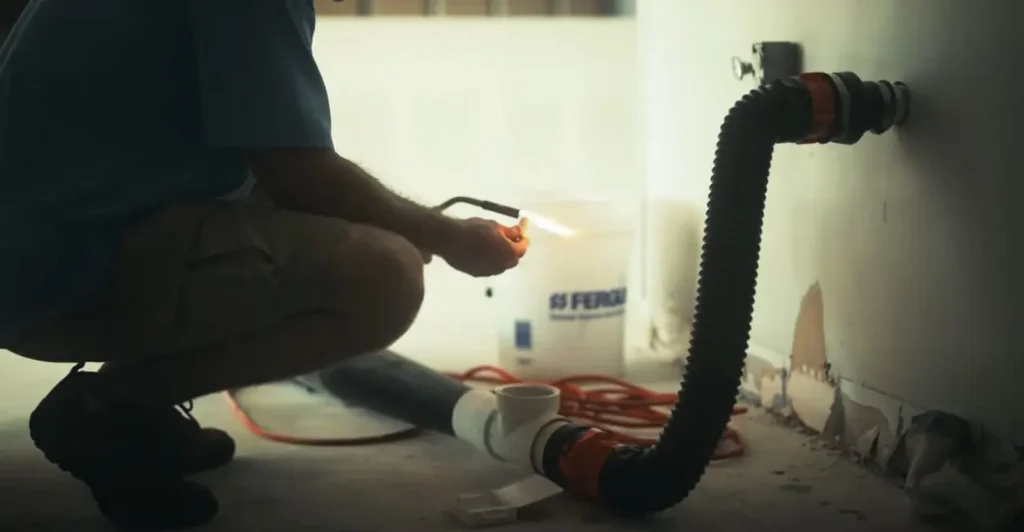
No, we’re not setting off fireworks in celebration—though finding the source of a stink can certainly feel like a victory worth celebrating! Smoke bombs are one of the most visually spectacular tools in our arsenal. When deployed within the sewer system, the smoke provides a visible indicator of even the slightest leaks. Here’s the technical scoop: these bombs generate a non-toxic smoke that is heavier than air. When inserted into the main sewer line via a cleanout or a vent stack, the smoke travels through the system, revealing leaks by seeping out through any cracks, loose fittings, or improperly sealed connections. It’s like watching invisible gases throw a smoke signal party, and every plume is an RSVP sent directly to your nose’s doorstep.
2. Leaf Blowers as Smoke Machines
Yes, you read that right! Sometimes, battling sewer odors calls for a little DIY ingenuity. Enter the humble leaf blower, repurposed as a smoke machine. This might sound like a MacGyver move, but it’s highly effective. We attach a smoke bomb to the intake of a leaf blower, which then propels the smoke through the plumbing system with much more force than the bomb could manage on its own. This increased pressure is perfect for testing larger systems or for when the leak is as elusive as a ghost in a haunted mansion. The leaf blower method pushes the smoke further and faster, ensuring that no nook or cranny remains unchecked.
3. Plumbing ‘Snakes’ Equipped with Cameras
Finally, for the tech-savvy plumber, the video camera snake—or as I like to call it, the “plumber’s periscope.” These flexible, long devices are threaded through your pipes and give us a real-time video feed of what’s going on inside your sewer lines. Not only can we spot a crack or break, but we can also identify build-ups, blockages, and other issues that might be causing odor problems without having to dig up your yard or tear out walls. It’s like having x-ray vision, but for pipes!
Together, these tools form the trifecta of troubleshooting that helps us detect and diagnose sewer gas leaks with precision. They allow us to turn what could be a guessing game into a targeted investigation, rooting out the sources of sewer smells and putting a stop to them. So next time you catch a whiff of something foul, remember: there’s an exciting world of high-tech sleuthing and creative problem-solving just waiting to tackle the challenge. And who said plumbing was just about wrenches and pipes?
Step-by-Step Guide to Detecting Sewer Odor: The Plumber’s Playbook
Welcome to the detective work of plumbing, where every scent has a source and every leak its clues. Follow this step-by-step guide to uncover the hidden secrets behind those pesky sewer odors, using tools and techniques that transform you from a concerned homeowner into a master leak detective!
1. Preparation: Suit Up and Tool Up!
First things first: gear up for safety and efficiency. Grab your gloves and safety goggles because, while our methods are safe, protecting your skin and eyes from accidental smoke contact is paramount. Equip yourself with your smoke bombs, leaf blower (or a professional smoke machine if you’re fancy), and a plumbing snake camera. Make sure all tools are operational before you dive into the dank underworld of your plumbing system.
2. Visual Inspection: Playing the Field
Before introducing any smoke, take a walk around your property. Check around the base of toilets, under sinks, and around any exposed piping you can see. Look for signs of moisture, cracks, or loose fittings. This could be as subtle as discoloration or as obvious as dripping water. Sometimes, the solution is as simple as tightening a loose connection or replacing a worn-out washer!
3. Using Smoke: The Show Begins
Now for the fun part—let’s make some smoke!
Safely Igniting and Using a Smoke Bomb
- Choose a smoke bomb that’s specifically designed for plumbing diagnostics (these are non-toxic and safe for pipes).
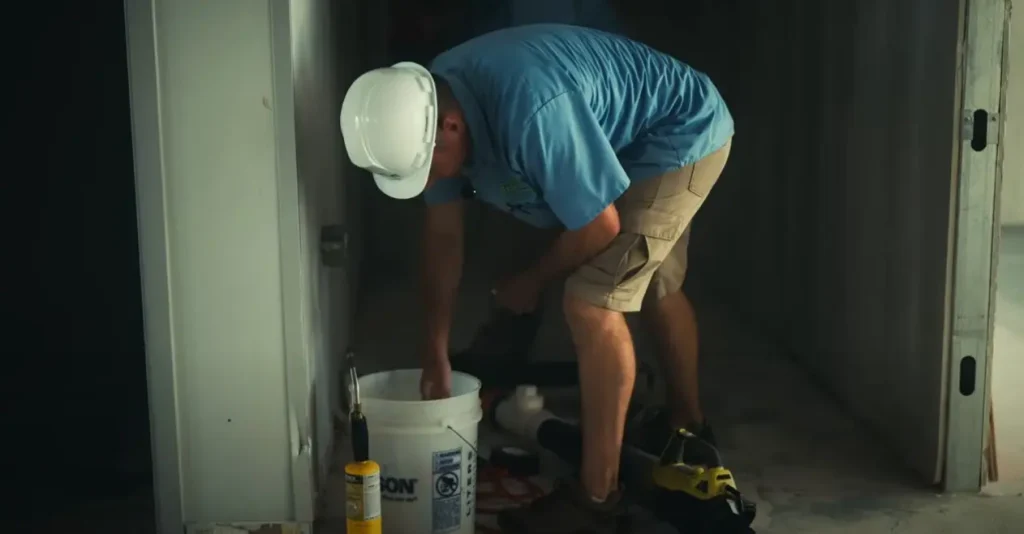
- Secure the smoke bomb so it won’t roll or shift once ignited. Safety tip: Never hold a lit smoke bomb. Use a long lighter to ignite it safely while it’s already placed at the entry point of your plumbing system.
Inserting Smoke into the System
- If using a leaf blower, attach the smoke bomb to the intake side and seal it with duct tape to prevent smoke escape. Turn on the blower and direct the smoke into the main cleanout or a vent stack.
- If you’re going without the blower, ensure the smoke bomb is in a secure position where it feeds smoke directly into an open cleanout or drain while minimizing smoke leakage into the atmosphere.
Observing Where It Escapes
- Watch closely! You’re looking for smoke escaping from unusual places—around toilet bases, under sinks, even from ground surfaces outdoors near sewer lines. Each wisp of smoke is like a flag waved by the hidden problem spots in your sewer system.
4. Interpreting Results: Reading the Smoke Signals
The smoke has spoken, and now it’s time to decode its messages. Seeing smoke indoors, especially around drains or water fixtures, usually points to broken seals or gaskets. Smoke escaping from ground indicates broken exterior pipes or issues with the main sewer line connection. Smoke rising from vent stacks is normal, but if it’s the only place where smoke appears, it could indicate blocked vents causing pressure problems inside your home.
Understanding where the smoke appears helps you pinpoint what repairs are needed—whether it’s a simple seal replacement, a full pipe repair, or just clearing a vent. Each smoke trail leads you closer to a fresher-smelling home.
Armed with this guide, you’re not just fixing problems, you’re unraveling mysteries with the finesse of a plumbing Sherlock Holmes! Now, go forth and banish those foul odors back to the depths from whence they came. Happy detecting!
Troubleshooting Common Problems: The DIY Plumber’s Guide to Mystery Smells
Ah, the thrill of the chase! You’ve tracked down the source of that nefarious sewer odor to its lair, but what next? Here’s how to tackle some of the most common scoundrels in the world of plumbing odors, complete with DIY fixes that’ll make you feel like a seasoned pro. And don’t worry, I’ll also let you know when it’s time to hang up your plumber’s hat and call in the cavalry (a.k.a. professional plumbers).
Scenario 1: Smoke Around the Toilet Base
The Culprit
This is a classic tell-tale sign of a failing wax seal. The wax seal is what keeps the interface between your toilet and the sewer line airtight and water-tight. When this seal deteriorates, it can let sewer gases (and sometimes even water) escape. It’s like finding out your favorite mystery novel has pages missing—utterly disappointing and messy!
DIY Fix
- Gather Your Tools
You’ll need a new wax seal, a wrench, a putty knife, and maybe a helper if you feel like having a sidekick. - Remove the Toilet
Turn off the water supply, flush the toilet to drain the tank, and disconnect the water line. Unscrew the bolts that secure the toilet to the floor, lift the toilet (this is where a sidekick comes in handy), and place it aside. - Replace the Wax Seal
Scrape off the old wax from the flange and the bottom of the toilet using the putty knife. Fit the new wax seal over the flange. Carefully align and lower the toilet back onto the flange. Press down to set the seal, screw the bolts back in, reconnect the water, and give it a test flush.
When to Call a Pro
If the flange is broken or too high/low relative to the floor level, you might need more than a simple wax seal replacement. This can get complicated and is best handled by a pro.
Scenario 2: Smoke Escaping from Sink Traps
The Culprit
Ah, the old sink trap leak. Your sink trap (the U-shaped pipe under the sink) is supposed to hold water to form a barrier against sewer gases. If you see smoke escaping here, it usually means the trap is either dry, improperly installed, or cracked.
DIY Fix
- Check for Water
First, ensure there’s always water in the trap. Run the faucet for a few seconds and see if that stops the smoke (or smell). Sometimes, traps can dry out, especially in rarely used fixtures. - Inspect and Tighten Connections
If the trap is wet but still leaking smoke, check the connections. Hand-tighten them or use a wrench if necessary. Be careful not to over-tighten, as this can crack plastic fittings. - Replace the Trap
If the trap itself is damaged, replacing it is usually straightforward. Traps are cheap and available at any hardware store. Just make sure to choose the correct type and size, and follow the manufacturer’s instructions for installation.
When to Call a Pro
If the issue persists after replacing or adjusting the trap, or if you have multiple fixtures leaking smoke, it might be a sign of a more systemic issue, such as improper venting or a blockage further down the line.

Preventative Measures: Keep Your Plumbing in Tip-Top Shape and Odor-Free!
Imagine your home’s plumbing as a vigilant guardian of freshness, tirelessly working behind the scenes. But even the most diligent guardians need a little upkeep to stay sharp. Here’s how you can maintain your plumbing’s prowess and keep those rogue sewer smells at bay with preventative measures that are both practical and doable!
Regular Maintenance Checks: The Routine Plumbing Physical
Why It’s Important
Just like you wouldn’t skip a car’s oil change, don’t neglect your plumbing. Regular checks can catch small issues before they turn into big, smelly problems.
What to Do
- Schedule Inspections
Yearly inspections by a professional can save you a lot of trouble (and nose pinching!). They’ll check for leaks, corrosion, and wear and tear. - Listen and LookKeep an ear out for gurgling sounds or water taking longer to drain. These can be early signs of blockages or vent issues. Also, watch for water stains on walls or ceilings, which can indicate hidden leaks.
Replacing Old Fixtures: Out with the Old, In with the New
Why It’s Important
Older fixtures not only use more water but are also more prone to leaking and letting sewer gases sneak past worn seals or loose connections.
What to Do
- Upgrade Wisely
Consider replacing old toilets, faucets, and showerheads with new, more efficient models. Look for the EPA’s WaterSense label, which signifies high efficiency. - Seal the Deal
When installing new fixtures, ensure that all connections are tight and the seals are intact. Use the correct type of sealant for your fixtures—silicone sealant works well for wet areas.
Properly Sealing Pipes and Drains: Fortify Your Plumbing Fortresses
Why It’s Important
Poorly sealed joints are like open doors for sewer gases. A good seal keeps the barriers strong between your nose and the odors of the underworld.
What to Do
- Check Seals Regularly
Inspect the seals around pipes and joints periodically. Look for cracks, brittleness, or any signs of deterioration. - Use the Right Tools
For drain pipes, a plumber’s putty or waterproof sealant can work wonders. Make sure you apply it correctly and allow it to set before using the fixture. - Ensure Proper Venting
Proper venting prevents traps from siphoning dry, thereby maintaining the water seal that blocks gases. Ensure vents are not obstructed and are functioning correctly.
Bonus Tip: Embrace the Baking Soda and Vinegar Duo
Once a month, pour a mix of baking soda and vinegar down your drains. This not only helps keep them clear but also neutralizes potential odor sources. It’s like sending your drains to a spa—relaxing and refreshing!
Engaging with the Experts: When to Call in the Plumbing Superheroes
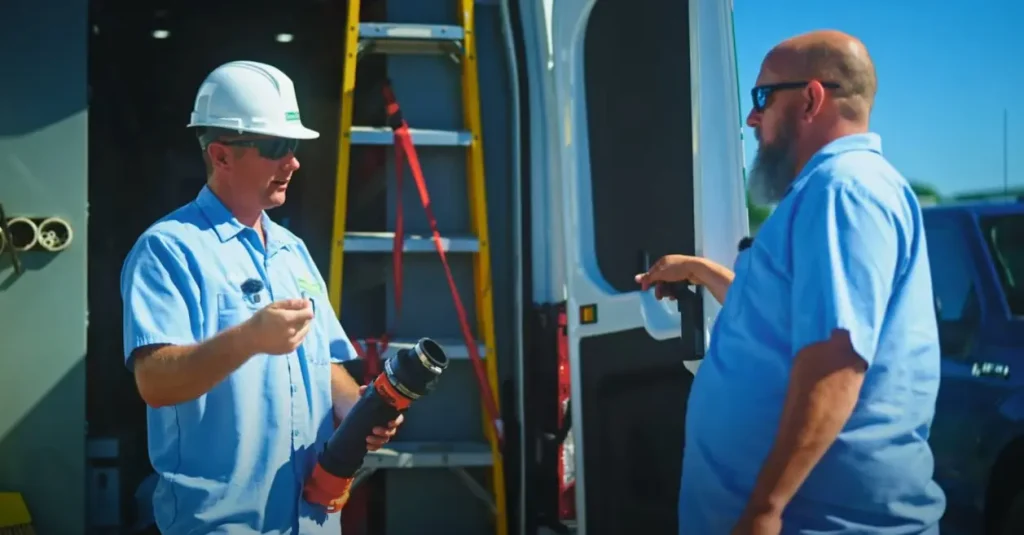
Professional plumbers are like the Special Forces of home maintenance: highly trained, equipped with advanced tools, and always prepared to dive deep into your plumbing woes to tackle them head on. DIY solutions may be rewarding but sometimes only an expert with wrench can do the trick; here’s how you know when it’s time to reach out and a fun anecdote will remind you why plumbing can never just be another day at the office!
When Should You Consult A Professional Plumber
-
Complex Installations and Repairs
If your plumbing project involves something more involved than fixture replacement or simple clog removal, it is wise to hire professionals. Re-routing sewer pipes, upgrading an entire system or installing complex fixtures as part of a remodel require precision and expertise that only professionals can provide.
-
Recurring Problems
Are You Tired of Clogs and Leaks That Recur, Yet None Can Be Fixed Yourself? If they continue recurring even after multiple attempts at fixing it yourself, that could be a telltale sign that there may be deeper issues at hand that require professional plumbers’ knowledge to diagnose and resolve.
-
Emergency Situations
For when you find your basement turning into an inundation zone or your toilet becomes an overflowing sewer, professional plumbers should be called immediately. Emergencies require fast action to minimize potential damages; that’s where expert plumbers shine.
A Plumber’s Tale: The Case of the Mysterious Blockage
Let me tell you a story from the hidden world of household plumbing. It’s about a routine check that turned into something like a treasure hunt. One day, a seasoned plumber was called to solve a stubborn blockage that had left the homeowners scratching their heads for weeks. With his reliable drain snake in hand and a spark of curiosity, our hero dived into the depths of the plumbing.
As he worked his way through the twists and turns of the pipes, he hit something unexpected. Thinking it would be the usual hairball or a clump of soap, he was stunned to pull out… a bunch of small, rubber ducks! It turns out, the family’s little one had been sending his bath toys on “swimming missions” down the toilet.
This funny find not only cracked the case but also gave everyone a good laugh. It was a sweet reminder that sometimes the answer to our problems is as simple as asking the right person—in this case, a very small one!
Wrapping It Up… Sniff Out Success in Your Sewer Saga!
So, we’ve come to the end of our journey through the smelly underworld of sewer odors. But let’s wrap up with a reminder of why tackling these odors is crucial—not just for your comfort, but for your health and your home’s well-being.
Why Chase Away Those Pesky Smells?
Sewer smells are more than just a nuisance or a social embarrassment. They could signal serious underlying problems hiding under your floors or inside your walls. These smells might point to a cracked pipe, a worn-out seal, or a dry trap. If you ignore them, you might end up with serious damage from leaks or health risks from mold and bacteria.
Also, breathing in sewer gases like hydrogen sulfide and methane is no joke. These gases can make you feel sick, irritating your eyes, nose, and throat, and at high levels, they can be downright dangerous. So remember, keeping your home free from sewer smells is not just about keeping it smelling fresh—it’s about keeping it safe and sound.
Well, our journey into the murky depths of sewer smells has finally reached an end. Before we step away, let’s revisit why eliminating these smells is such an essential step – not only does it bring comfort but it is also about health issues and maintaining our home in its original state.
Why Should You Remove Unwanted Odors?
Sewer smells are more than embarrassing or annoying; they’re warning signs that something’s amiss below the floor or within your walls. A crack in a pipe, an old seal that’s no longer sealing properly or an overflowing trap could all contribute to these unpleasant odors, possibly leading to water damage from leaks as well as health concerns from mold growth and bacteria infiltration. Don’t ignore these signals or risk serious consequences such as water damage from leaks and health concerns from mold growth resulting in leakage!
Breathing sewer gases such as hydrogen sulfide and methane is not something you should take lightly; inhaling these toxic fumes can have serious health repercussions that are hard to ignore, irritating your eyes, nose, throat, and being potentially harmful in high concentrations. Therefore, keeping your house free of these odors isn’t only essential for creating an inviting ambiance–it’s essential to your wellbeing too!
Don Your Cap (and Maybe a Cape) and Dive In!
Now, equipped with the knowledge of what might be causing these sinister scents and how to confront them, it’s your turn to take action. Don’t let your abode become a no-go zone, feared and whispered about in hushed, horrified tones at neighborhood gatherings. No! Grab your tools, summon your courage, and let the smoke lead the way to victory over villainous vapors.
Remember, each puff of smoke is a clue, each gurgle a signpost, guiding you toward the source of the stink. With a little patience, some DIY savvy, and perhaps a call to a trusty professional, you can transform your home from the talk of the town for all the wrong reasons to a bastion of freshness and good health.
So, tighten those wrenches, seal those gaps, and keep an eye on those traps. After all, a house free of sewer smells is a house full of smiles. Ready to be the hero of your own plumbing plot? Charge forth, intrepid homeowner—your trusty pipe wrench raised high—and banish those boggy odors back to the dank depths from whence they came!
Ready to Tackle Those Troublesome Toilet Tales?
If sewer odors are just the tip of the iceberg and you’re spotting signs of more severe sewer issues like persistent clogs, suspiciously soggy lawns, or the dreaded gurgle of a struggling drain, it’s time to call in the pros. **Smedley Plumbing** is your go-to expert for diving deep into all things plumbing and sewer-related.
Don’t let sewer line troubles, root intrusions, or mysterious pipe leaks dampen your spirits and your walls. Contact **Smedley Plumbing** today, and let our team of skilled plumbers restore peace and freshness to your home.
Dial us up or click here to wave goodbye to those wicked whiffs and troublesome plumbing puzzles!