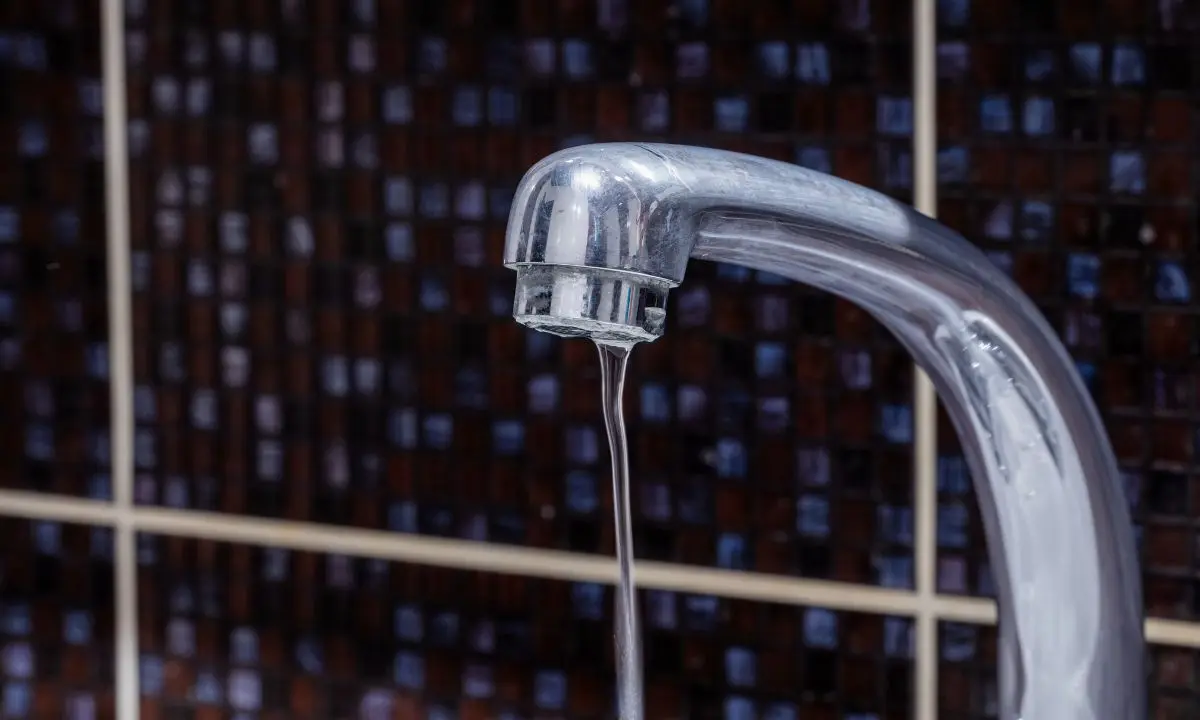
Ever stepped into the shower and wondered if the water was even on? Or turned on a faucet and got blasted like it was trying to clean the whole sink? That’s water pressure but not working the way it should.
In Kansas City, we see this a lot. One house barely has a drip. The next one sounds like the pipes are knocking on the walls. With homes ranging from a hundred years old to brand new, it’s no surprise water pressure issues pop up often.
The good news? It’s usually not as complicated as it sounds.
In this guide, we’ll break down what water pressure is, what causes it to go off, and how to fix it. No fancy talk, just clear steps and real-world tips.
We’ve worked in homes all over KC, and we’ll share what we’ve learned along the way.
If your water pressure is too high, too low, or just plain weird, we’ll help you figure it out. Let’s get started.
What Is Water Pressure, Really?
Let’s keep it simple. Water pressure is the force that pushes water through your pipes. It’s what makes water come out of your faucet fast or barely at all.
We measure it in PSI, or pounds per square inch. Most homes work best when that number stays between 40 and 60 PSI. If it drops below 40, you’ll notice it. Washing your hair takes longer. Showers feel weak. Filling a pot seems to take forever.
Now, if your pressure climbs too high above 80 PSI you’ve got a different problem.. High pressure puts stress on your pipes. That can lead to leaks, broken valves, or damaged appliances like dishwashers and water heaters. Over time, it wears your system down.
Think of it like your home’s blood pressure. It needs to stay in the right range to keep things working. If it’s too low or too high, you’ll feel it every time you turn on the water.
If your shower sputters, your faucet drips, or your pipes rattle when the washer kicks on, it’s time to check the pressure. We can help with that.
Signs You Have a Water Pressure Problem
Water pressure problems can be easy to spot. Other times, they sneak up on you. Your house usually gives you signs something’s off, you just have to know what to watch for.
Here’s what to look for:
Weak Flow from Showers or Faucets
If your shower feels more like a drizzle or your sink takes forever to fill a glass, your water pressure may be too low.
Washer Takes Too Long to Fill
Most washing machines need steady pressure to work right. If it’s moving through cycles slower than usual, low pressure could be the reason.
Toilets Filling Slowly
After you flush, does the tank take a long time to fill? That often means your supply line isn’t pushing enough water through.
Loud Noises in the Pipes
If you hear banging or screeching when you turn water on or off, that’s a red flag. It could mean the pressure is too high and causing a problem called water hammer.
Water Pressure Changes from Room to Room
If one faucet barely flows and another one sprays hard, there could be a clog or a problem with a valve somewhere in the system.
Faucets Spit or Sputter
If your water starts with a burst of air or spits at you, that usually means air is getting into the line. A leak or a loose connection could be the cause.
Smedley Tip:
If your water pressure changes all of a sudden up or down, it’s best to get it checked. Quick changes often mean something’s wrong, and fixing it early can help avoid bigger problems later.
Common Causes of Low Water Pressure in Kansas City
If your water pressure feels more like a slow drip than a steady stream, you’re not the only one. We get a lot of calls about weak flow in homes across Kansas City. The reasons usually come down to a mix of older pipes and the wear and tear that comes with time and weather.
Here are the most common things we find causing low pressure in local homes:
Old Pipes, Especially Galvanized Steel
Many homes built before the 1970s still have galvanized steel pipes. These pipes rust on the inside, even if they look fine on the outside. As the inside closes up with buildup, less water can get through. That means weaker flow at your faucets and showerheads.
Mineral Deposits from Hard Water
Hard water is common in Kansas City. As it moves through your plumbing, it leaves behind minerals like calcium. These minerals can collect in your pipes, faucets, and showerheads. Over time, that buildup blocks the flow and lowers your pressure.
Partially Closed Valves
Sometimes the problem isn’t inside the pipes, it’s at the shut-off valve. If the main valve or water meter valve isn’t fully open, it can slow down the water coming into your house. This can happen after a repair or when city crews work on the water system.
Clogged Aerators or Fixtures
If just one faucet is giving you trouble, the fix might be simple. The screen at the end of the faucet, called an aerator, can get clogged with grit or mineral buildup. Cleaning or replacing that screen can often solve the issue on the spot.
Hidden Leaks
Small leaks can cause more problems than you’d think. Even a tiny hole in a pipe behind the wall or under the floor can lower pressure throughout your house. These leaks also waste nearly 10,000 gallons of water per year and raise your bill.
Municipal Water Supply Work or Flushing in Your Area
Sometimes city crews flush fire hydrants or work on water lines. This can stir up sediment or drop the pressure in your home for a short time. If your whole block is noticing the same thing, this might be the reason and it usually clears up on its own.
What We See in the Field
We’ve found tree roots wrapped around old water lines. We’ve found valves left halfway closed after a repair. If your water pressure used to be strong and now it’s not, one of these problems could be the cause. We can check it out and get things flowing again.

What Causes High Water Pressure?
Low water pressure is annoying. But pressure that’s too high can cause even bigger problems. It might feel great in the shower, but it can slowly wear down your plumbing, break appliances, and raise your water bill.
Here are the most common causes:
Living Close to a City Pump Station
If you live near one of Kansas City’s main water supply stations or at the bottom of a hill, the water coming into your home may hit harder than normal. The city pushes water out at high pressure so it can reach far areas. Homes nearby often get more force than they need.
Broken or Missing Pressure Valve
Most homes should have a pressure-reducing valve. It keeps the water pressure from getting too high as it comes in from the main line. If that valve is broken or missing entirely, your whole house could be dealing with too much pressure. We see this more often than you might think.
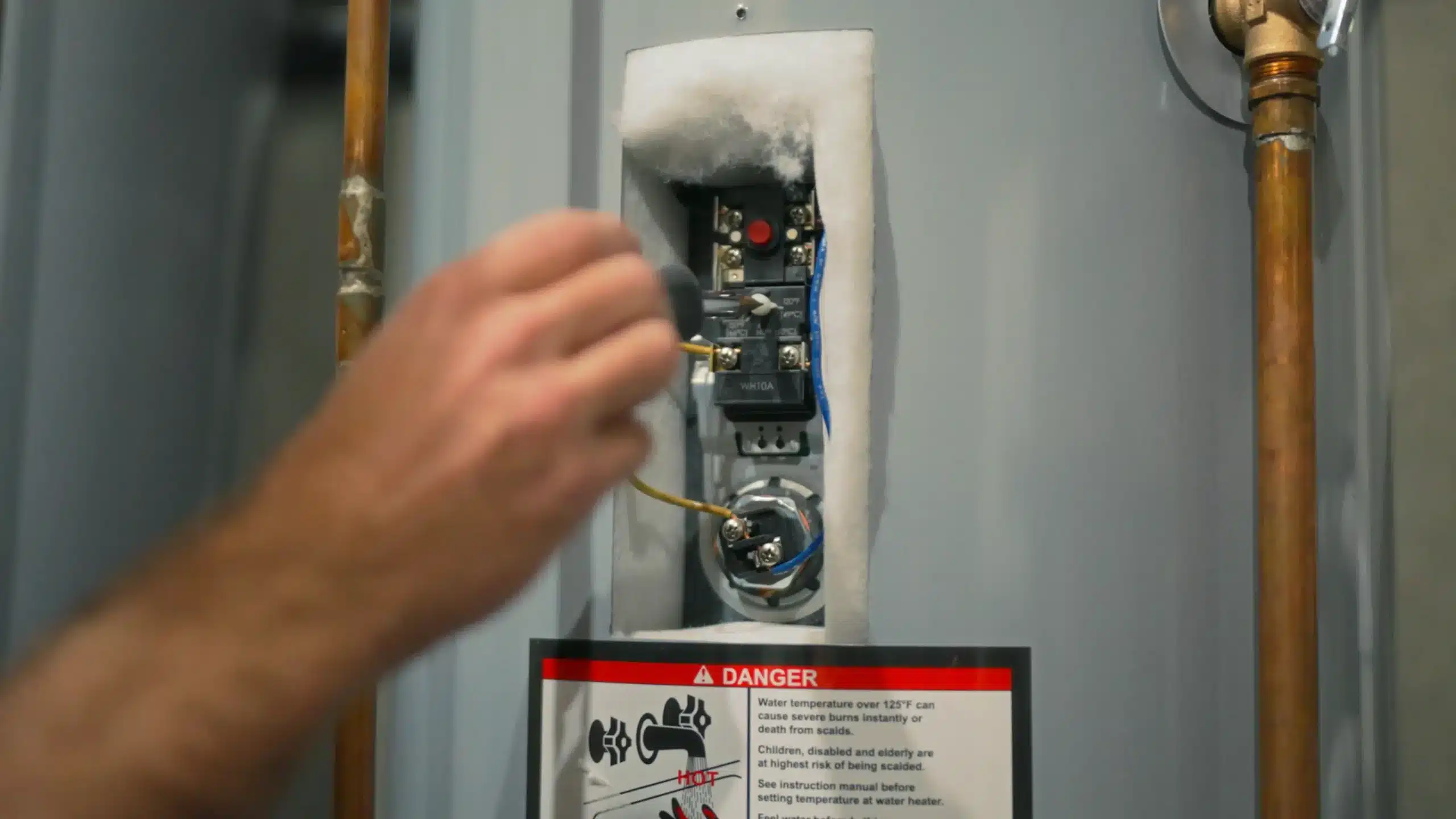
Heat from Your Water Heater
As water heats up inside your tank, it expands. That extra pressure needs somewhere to go. Without an expansion tank to hold the extra force, the pressure can build up and strain your pipes.
Changes in City Water Lines
Sometimes the city bumps up pressure for regular maintenance work or to reach a fire hydrant. If your water pressure suddenly changed and you didn’t touch anything in your house, it might be coming from the city’s side of the system.
Loud Pipes or Sudden Bangs? Don’t Ignore Them
If you hear your pipes bang or notice sudden jolts when turning water on or off, that’s a warning sign. Your pressure might be too high. Most home plumbing systems can’t safely handle more than 80 PSI. Anything above that puts too much stress on your pipes, joints, and valves.
According to the International Association of Certified Home Inspectors, 80 PSI is the max safe limit for residential systems.
The Risks of Ignoring Water Pressure Problems
Water pressure can seem like a small issue. One day it’s strong, the next it drops. It might feel like just a minor annoyance. But pressure problems can lead to much bigger issues if you ignore them.
Here’s what can go wrong if you let it slide:
Leaks in Your Plumbing System
When pressure runs too high, it puts extra force on pipes, joints, and seals. Over time, that force can crack a pipe or loosen a fitting. On the flip side, low pressure might be hiding a leak you can’t see, one that’s slowly doing damage behind your walls.
Worn-Out Appliances
Water heaters, washing machines, and dishwashers all have parts built to handle steady pressure. If the pressure gets too high, it wears those parts down faster. That means more repairs and a shorter life for your appliances.
Noisy Pipes and Water Hammer
Hearing loud bangs or rattling in your pipes? That’s often called water hammer. It’s usually a sign of pressure problems or bad pipe layout. If it keeps happening, it can shake pipes loose and lead to leaks.
Higher Water Bills
Too much pressure means more water moving through your fixtures, even if you don’t notice it. That adds up. A dripping faucet or toilet that keeps running under high pressure can waste gallons every day, pushing your bill up without warning.
Risk of Pipe Bursts
This is the one to watch. Pressure over 80 PSI can lead to burst pipes, especially in older Kansas City homes with galvanized or copper lines. If your home falls into that category, it’s even more important to keep an eye on pressure levels.
According to InterNACHI, anything above 80 PSI is unsafe for a home’s plumbing system.
A Note From Smedley
Most people don’t think to call us about pressure until something breaks. But finding the problem early is easier and cheaper than fixing a leak or dealing with water damage after a burst. If your pressure seems off, don’t wait. Let us take a look.
DIY Checks Before You Call a Plumber
Not every water pressure problem needs a professional plumber right away. Sometimes it’s something simple you can check and fix yourself in a few minutes. Here are a few things to look at before you call.
Test Your Water Pressure With a Gauge
You can find a pressure gauge at most hardware stores for under $20. Screw it onto an outdoor spigot, turn on the water, and check the PSI. You want to see between 40 and 60. Below 40 is low, over 80 is too high.
Try testing in the morning and again in the evening to see if it changes.
Check the Main Shut-Off Valve
Find the valve where water comes into your house, usually near the water heater or in a basement. If it’s not fully open, pressure can drop. Turn it all the way counterclockwise.
Look at the Water Meter Valve
This valve belongs to the city, but if your pressure dropped after nearby city work, it might not have been fully reopened. Call your water provider if you suspect this.
Clean Faucet Aerators and Showerheads
Hard water in Kansas City causes mineral buildup. Unscrew the aerator or showerhead, soak it in vinegar, and scrub off debris. This can fix weak pressure in one spot.
Check for Leaks
Look under sinks, behind toilets, and around the water heater. A slow leak can lower water pressure and raise your bill.
Check the PRV (Pressure Reducing Valve)
Most homes have a PRV near the main water line. It looks like a bell with a screw or bolt on top. If pressure is high, the valve might need to be adjusted or replaced.
Don’t adjust the PRV unless you’re sure how it’s easy to make things worse.
If none of these work or you’d rather not deal with it, we’re ready to help. Smedley will check your system and fix the problem without the runaround.
How Smedley Plumbing Fixes Water Pressure Problems
At Smedley Plumbing, we don’t take shortcuts. If your water pressure isn’t right, we’ll figure out why and fix it for good. Low or high pressure might not seem like a big deal at first, but it can cause damage over time and cost you more later.
Here’s how we handle it:
We Start With a Pressure Test
First, we check your water pressure with professional gauges. We test different spots around your home to see if the issue is just one faucet or part of a bigger problem.
We Look at the Whole System
We don’t just guess. We check your pipes, shut-off valves, and water meter. In a lot of older homes, we find rusted pipes or stuck valves slowing things down.
We Adjust or Add a PRV
If your pressure is too high, we look at your pressure reducing valve. If you don’t have one, we’ll add it. Adjusting the PRV can protect your pipes, fixtures, and appliances from future damage.
We Check for Hidden Leaks
Sometimes, low pressure comes from a leak you can’t see. It might be in a wall, crawl space, or even under the floor. We use tools to find leaks without tearing up your house.
We Clean or Replace Problem Parts
A slow sink or shower might just need a new aerator or hose. We’ll clean or swap out parts that are blocked or worn out. Simple fixes can make a big difference.
We Test It Again Before We Leave
Once we’ve made repairs, we test the pressure again in a few places around your home. We want to be sure water flows the way it should before we pack up.
The Smedley Promise
We don’t leave until the job’s done right. If anything still feels off after we leave, we’ll come back and fix it. No extra charge. No hassle.
Water Pressure in Kansas City Homes: What You Should Know
Not all water pressure problems are the same and in Kansas City, your address can tell us a lot. Different neighborhoods, home ages, and even elevation changes play a big role in how water flows into your home.
Here’s what we’ve seen time and again across the KC area:
Older Neighborhoods, Older Pipes
Areas like Brookside, Waldo, and parts of Midtown often have homes built in the early 1900s. That means older pipes, often made of galvanized steel, can corrode and restrict water flow over time. Lower pressure is common, especially if those pipes haven’t been replaced.
Elevation Matters
If your home sits lower than the city water main or near a pressure-boosting system, you might experience higher-than-normal water pressure. In places with steeper elevation shifts (like parts of the Northland or along the Blue River), we often recommend PRVs to keep pressure safe and steady.
Clay-Heavy Soil = Pipe Problems
Kansas City’s soil is loaded with clay. It expands when wet and contracts when dry. That constant shift can slowly bend or crack underground pipes, leading to invisible leaks that tank your water pressure over time.
Kansas Geological Survey – Kansas City Soil Data
City Maintenance and Hydrant Flushing
Sometimes your pressure changes temporarily due to water main work or fire hydrant flushing. KC Water doesn’t always announce this work house-by-house, so if your water suddenly dips or discolors for a day, that could be why.
Local Tip:
In some parts of KC, especially in houses built between 1950 and 1980, we’ve seen copper pipes paired with aging pressure regulators that have just worn out over time. A quick test and valve replacement can bring your water pressure back to normal fast.
Tired of Weak Showers or Noisy Pipes?
We fix water pressure problems that slow you down or stress your system. From testing and valve checks to full repairs, we get your water flowing right. Call Smedley today for fast, honest plumbing help that lasts, no surprises, just real results.
📞 Call us at: (816) 763-3539
🖥️ Schedule online: smedleyplumbing.com
📍 Serving: Kansas City, MO & nearby areas