Plumbing isn’t the most exciting part of your home. But when something goes wrong, it quickly becomes the most important. One minute you’re making coffee. The next, there’s water all over the kitchen floor.
In Kansas City, we’ve worked on all kinds of homes. Some have old pipes that creak and groan. Others are brand new with sleek fixtures. No matter the house, we’ve noticed something that comes up again and again, small plumbing mistakes that lead to big problems.
And here’s the thing: most people aren’t being careless. They just didn’t know what to watch for.
That’s why we’re writing this.
We’re going to walk through the most common plumbing mistakes we see in Kansas City homes. Stuff like using too much drain cleaner. Flushing things that don’t belong. Or trying to fix a leak with tools from the garage when it really needed a licensed plumber.
We’ll explain it in plain language. No technical talk. No blame. Just solid advice from plumbers who’ve spent over 20 years helping homeowners avoid bigger headaches.
The Most Avoidable Plumbing Problems (And How to Stop Them Early)
1. Ignoring Small Leaks
We get it. It’s just a drip. Maybe under the sink. Maybe from the faucet. It doesn’t seem like a big deal.
But small leaks don’t stay small. That quiet drip turns into real damage before you know it. We’ve had folks in Kansas City call us months later, only to find mold under their cabinets or wood floors starting to warp. At that point, it’s no longer a plumbing fix; it’s a bigger, more expensive mess.
Here’s a quick look at what a drip can do:
One drip every second can waste over 3,000 gallons of water in a year.
That kind of leak could bump up your water bill by $30 to $70 a month.
If it spreads to the walls or floors, the damage goes beyond plumbing.
And with Kansas City’s hot, sticky summers? Mold shows up faster than you’d expect.
What to Do Instead:
If you see or hear a drip, take a closer look right away.
Check under the sink, around the base of the toilet, or near the water heater.
Not sure where it’s coming from? Give Smedley a call. We’ll stop by, check it out, and tell you what’s going on. No pressure, just answers.
Pro Tip: If you see a water stain on your wall or ceiling, there’s probably a slow leak hiding behind it. Don’t wait for it to “get worse.” By then, it already has.
2. Overusing Chemical Drain Cleaners
Got a slow drain? It’s tempting to grab that bottle of drain cleaner from under the sink. Pour it in, wait a bit, rinse it out. Seems easy enough.
But here’s the truth: those store-bought cleaners are doing more harm than good.
In Kansas City, a lot of older homes still have cast iron or clay pipes. When you dump chemicals down the drain, they don’t just eat through clogs. They can eat through the pipe too. Even newer PVC pipes start to wear out when harsh cleaners get used over and over.
We’ve seen it happen. Homeowners keep using drain cleaner, thinking it’s helping. Next thing you know, they’ve got a leak behind the wall because the pipe corroded right through.
What Really Happens When Use of Chemicals Is Too Much:
- The chemicals wear down the inside of your pipes
- Gunk in the pipe can harden and block it even more
- You’re not solving the problem, you’re just covering it up
And in the end, you’ll likely pay more to fix the damage than you would to clean the pipe the right way the first time.
What To Do Instead:
Start with a plunger or a simple drain snake. Still not moving? That’s where we come in.
We offer drain cleaning that clears the pipe without tearing it up. We also use hydro-jetting. It’s a method that blasts water through the line, no chemicals, just clean pipes and a clear path.
Pro Tip: If the same drain clogs again and again, there could be a bigger problem. Maybe roots are creeping into your sewer line. Or the pipe could be sagging underground. We can take a look with a camera and figure it out before you end up with water on the floor.
3. Flushing the Wrong Things
Those wipes labeled “flushable”? They don’t break down like toilet paper. They’re linked to 93% of major sewer clogs across U.S. sewer systems.
One of the biggest plumbing problems we see across Kansas City comes from folks flushing things they shouldn’t. Those wipes labeled “flushable”? They don’t break down like toilet paper. Same goes for paper towels, tampons, cotton swabs, and even dental floss.
We’ve pulled out clogs the size of basketballs made up of these so-called flushables. And if you live in a neighborhood with older clay pipes or an aging sewer system, the risk is even higher. One wrong flush can block your main line, back up into your home, and cost you a lot of money in cleanup and expensive repairs.
What Should Never Go Down the Toilet:
- “Flushable” wipes (they’re not)
- Paper towels or napkins
- Cotton balls or swabs
- Grease or oil (keep that out of the kitchen drain, too)
- Cat litter, even the kind that says it’s flush-safe
- Feminine hygiene products or diapers
- Dental floss (it tangles and sticks in your pipes)
What to Do Instead:
- Keep a small trash bin in the bathroom for anything that’s not toilet paper
- Teach kids early: only toilet paper and, well, human waste go down the toilet
- If water drains slowly or your toilet gurgles, call us before it turns into a backup
Pro tip: If your toilet gurgles after flushing or your shower drain bubbles when you do laundry, that’s a warning sign. It usually means there’s already a blockage forming in your main sewer line.
4. DIY Plumbing Without the Right Tools or Know-How
We get it, doing your own home plumbing repairs feels good. It can save you money and give you a sense of pride. But with plumbing, things can go wrong fast if you don’t have the right tools or don’t fully understand how things work behind the wall.
Here in Kansas City, we’ve seen plenty of DIY jobs that didn’t go as planned. A loose fitting turns into a slow leak inside the wall. The wrong part cracks under pressure. Or someone installs a water heater without knowing they needed a gas permit. That’s not just a mistake, that’s a real danger.
Common DIY Plumbing Mistakes We See:
- Fittings that don’t match, are too tight, or are too loose
- Skipping sealant or pipe tape, which leads to leaks
- Overtightening joints and cracking the parts
- Replacing a faucet but breaking the shut-off valve while doing it
- Trying to move or install gas lines without a license (don’t do this)
What You Can Do Instead:
Know where to draw the line. Fixing a running toilet? Replacing a showerhead? Go for it.
Installing a water heater? Moving pipes? That’s best left to someone trained.
If you’re not sure, give us a call. Every plumber on our team has more than 10,000 hours of hands-on experience. And we’ve fixed enough home fixes gone wrong to know what works and what doesn’t.
Pro Tip: If your project involves cutting into, capping, or even touching a gas line, stop and call a licensed plumber. Kansas City has strict rules for gas safety. Guessing in this case can cost you more than money.
5. Not Knowing Where the Main Water Shut-Off Valve Is
It’s one of those things most people don’t think about until water starts pouring onto the floor. By then, it’s a scramble to stop the damage.
A lot of Kansas City homeowners don’t know where their main shut-off valve is. In a plumbing emergency, every second counts. The longer water keeps running, the more damage it can do soaked carpet, damaged drywall, ruined floors.
Why This Matters
A broken pipe means you need to shut off the water to the whole house. Fast.
If you’re away, the person watching your home should know where the valve is, too.
In older KC homes, the shut-off is sometimes tucked away in crawlspaces, garages, or behind wall panels.
What You Can Do
Find it now. Don’t wait until you’re standing in water.
Turn it on to see if it works. Some older valves get stuck.
Show everyone in your home how to use it – kids, teens, guests.
Mark it clearly so it’s easy to spot when it matters most.
Pro tip: If you’ve got the older kind of valve with the round wheel, ask us about upgrading to a ball valve. It turns off faster and won’t jam when you need it most.
6. Skipping Regular Plumbing Maintenance
Most people don’t think about their plumbing until something goes wrong. If the toilet flushes and the faucet works, it’s easy to assume everything’s fine. We get it.
But like your car needs oil changes and tire checks, your plumbing needs a little care too. Around Kansas City, especially in older homes, we see a lot of problems that could’ve been caught early with a quick look.
What Usually Gets Missed:
- Water heaters full of rust and buildup
- Sump pumps that haven’t been tested in months
- Small leaks slowly damaging walls or floors
- Drains getting ready to clog right before a holiday or family visit
These are the kinds of things that start small. But left alone, they turn into big, expensive problems and they often show up at the worst time, like after a storm or during a cold snap.
What You Can Do Instead:
- Get a yearly plumbing check-up, especially before winter or the rainy season
- Flush your water heater once a year to clear out minerals
- Test your sump pump every few months, especially before spring storms
- Walk through your home now and then and check for water stains, musty smells, or low water pressure
Pro Tip: Kansas City has hard water. That means more minerals in your pipes and your water heater. Over time, it wears things down faster. A little routine maintenance now can help you avoid surprise, costly repairs later.
7. Using the Wrong Fixtures or Parts
You’re standing in the plumbing aisle at the hardware store, staring at rows of parts. Something breaks at home, and you just want to fix it fast. So you grab something that looks close enough and head home.
We’ve all been there. But here’s the truth: “close enough” rarely works with plumbing.
In Kansas City homes, especially older ones, it’s even more important to use the right parts. We’ve seen folks connect plastic fittings to copper pipes or try to force a too-small connector into place. The result? Leaks, pressure problems, and repairs that cost more than if the right part had been used in the first place.
What Can Go Wrong:
- Wrong materials = leaks or warped fittings
- Low-quality parts = early breakdowns
- Mismatched threads = stripped pipe ends or no seal at all
- Incompatible fixtures = poor water pressure or slow drains
We once helped a KC homeowner who installed a shiny new kitchen faucet with the wrong washers and too much force. Within a week, it was leaking into the cabinet and warping the wood flooring. A $90 faucet turned into a $900 fix.
What to Do Instead:
- If you’re not sure, don’t guess, call us. We’ll install it the right way the first time
- Always use code-approved parts some cheap ones won’t pass inspection or last very long
- Ask about water-saving upgrades that work well with Kansas City’s plumbing systems
- Let us help match your new fixture to the exact setup your home has
Pro Tip: Many newer plumbing fixtures need pressure-balanced valves to work right. Installing a basic fixture on an old valve could cause water temperature swings (hello, surprise cold shower!).
Common Plumbing Issues in Kansas City Homes
Kansas City has all kinds of homes. You’ve got older bungalows, mid-century ranches, and brand-new houses going up all the time. That’s great if you like variety but it also means plumbing systems can be very different from one house to the next. And with that, we see a lot of the same problems pop up over and over again.
Here’s What We See Around Kansas City:
Old galvanized pipes
Many homes still have steel pipes that are rusting on the inside. This often causes low water pressure or brown-tinted water. A lot of people think their faucet’s just dirty, but the real fix is replacing those old pipes.
Tree roots in sewer lines
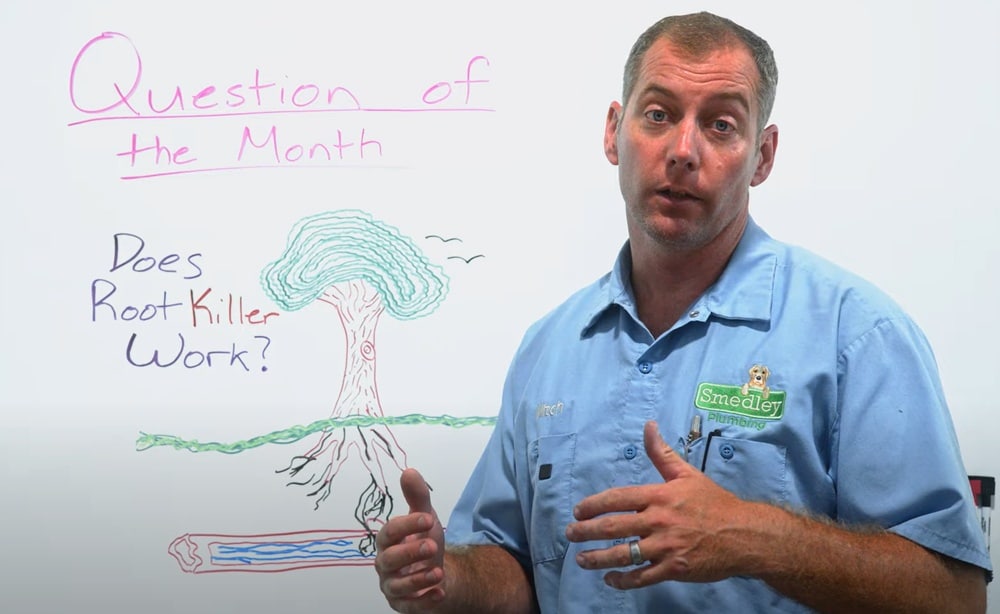
Older areas like Brookside or Waldo are known for their big trees. Those roots love sewer lines. People try to clear them with a basic drain snake, but roots grow back fast. Tree roots account for 50–75% of all damaged residential sewer lines.
We get more than 40 inches of rain each year in KC. That means one strong summer storm can flood a basement if your pump isn’t working right. Sump pump failure is one of the leading causes of basement water damage, according to FEMA.
Sump pumps that haven’t been checked in years
We get more than 40 inches of rain each year in KC. That means one strong summer storm can flood a basement if your pump isn’t working right. Most folks don’t realize it’s an issue until it’s too late.
Outdoor faucets freezing in winter
Every winter, we get calls about cracked outdoor spigots. The reason? Hoses weren’t disconnected, or the shut-off valve wasn’t closed. It’s a simple step that can prevent a lot of damage.
Hard water buildup
KC water has a lot of minerals. Over time, that buildup clogs pipes, wears out faucets, and shortens the life of water heaters. If you’re replacing fixtures more often than you should, hard water might be to blame.
What You Can Do in a Kansas City Home:
- If your house was built before 1980, get the plumbing checked even if it looks fine
- Use frost-proof spigots or shut off the outside water line before the first freeze
- Ask us about softeners or filters to help protect your pipes and fixtures
- If you’ve had a sewer backup, even once, consider a camera inspection. It might save you a lot of money later
Smart Moves to Keep Plumbing Problems Away
Now that we’ve walked through the most common plumbing mistakes homeowners make and the damage they can cause let’s end on a high note: what you can do instead.
You don’t need to be a plumber to keep your system running right. A little know-how, a few regular checks, and knowing when to call in the pros can go a long way.
Here’s a Quick List of What To Do:
- Fix leaks early – If you see drips, puddles, or water stains, don’t ignore them
- Flush wisely – Only flush toilet paper and the obvious stuff
- Know your shut-off valve – Find it now, label it, and test it once in a while
- Be careful with DIY – Some jobs are fine to handle, others are better left to pros
- Avoid drain cleaners – Call us to clear clogs safely
- Get yearly checkups – Especially before the rainy season or winter freeze
- Keep your sump pump ready – Test it before storms roll through Kansas City
- Use the right parts – Mismatched pieces might seem like a quick fix, but they’ll bite back later
And remember, most plumbing issues don’t happen overnight. They start small and grow when no one’s paying attention. Catching them early makes all the difference.
Final Thoughts: Don’t Wait Until It’s a Disaster
You don’t need to know everything about pipes and fittings to take good care of your home’s plumbing. But knowing what to watch for and what to avoid can save you a ton of money, time, and stress.
At Smedley Plumbing, we’ve spent 20+ years fixing mistakes just like these. But we’re not here to shame anyone, we’re here to help. From quick fixes to full replacements, we show up on time, explain the job clearly, and do it right the first time.
Kansas City homeowners, if something’s not right or if you just want peace of mind, give us a call.
Call Smedley Plumbing in Kansas City, MO
Need help with a leak, clog, weird smell, or mystery drip?
We’re local, we’re honest, and we’ve seen it all.
📲 Call us today at (816) 763-3539
💻 Or schedule service online at callsmedley.com
No pressure. No guesswork. Just real plumbing help when it matters most.
Frequently Asked Questions
1. What are the most common plumbing mistakes homeowners make?
A lot of folks ignore small leaks or try quick DIY fixes without the right tools. Others pour chemical drain cleaners down the sink or flush things like wipes and paper towels. These might not seem like a big deal at first. But over time, they can lead to serious damage and costly repairs.
2. Is it bad to use store-bought drain cleaners?
Yes, using them too often can harm your pipes. The chemicals are strong and can eat away at both metal and plastic piping. This is a bigger problem in older Kansas City homes. If your drain keeps clogging, it’s better to let a plumber clear it the right way.
3. Are “flushable” wipes actually safe to flush?
Not really. Even if the label says flushable, most wipes don’t break down like toilet paper. They can clog sewer lines and cause backups, especially in older plumbing systems. It’s safer to toss them in the trash.
4. How do I know if a plumbing problem is too big to DIY?
If the job deals with gas lines, a water heater, or replacing major pipes, don’t try it yourself. Leave that to a licensed plumber. Small jobs like changing a showerhead or tightening a faucet are usually fine to handle on your own.
5. Why is it important to know where the main water shut-off valve is?
If a pipe bursts, shutting off the water fast can keep your home from flooding. Every homeowner should know where that valve is and check it from time to time to make sure it still works.
6. How often should I check or maintain my plumbing system?
At least once a year. A quick checkup can catch small problems before they turn into big ones. It’s smart to have your water heater flushed, sump pump tested, and pipes looked at before winter or storm season rolls through Kansas City.
7. What kind of water does Kansas City have, and does it affect plumbing?
Kansas City has hard water. That means it has a lot of minerals in it, usually around 140 to 180 milligrams per liter. Over time, that buildup can block pipes, lower water pressure, and wear down appliances like your water heater.
8. What signs should I watch for to catch plumbing issues early?
Look for slow drains, weak water pressure, musty smells, stains on walls or ceilings, gurgling pipes, or higher water bills. These are early warnings. Catching them early can save you a lot of money and trouble later on.
9. What are some plumbing projects I should leave to the pros?
It’s totally fine to handle small tasks like changing a showerhead or fixing a toilet handle. But more complex plumbing projects like relocating plumbing lines, installing a new water heater, or replacing underground pipes, should be left to licensed plumbers. These jobs involve permits, safety checks, and code-compliant plumbing connections that need to be done right the first time.
10. Can a leaky faucet affect my water supply or plumbing system?
Absolutely. A leaky faucet might seem harmless, but over time, it can waste gallons of water and add stress to your water supply system. If ignored, it could even cause water damage near the fixture. Fixing small leaks promptly is part of good regular maintenance and helps keep your plumbing system running smoothly without surprises.