Electric water heaters are great when they’re working well, giving us the hot water we need every day. But when something goes wrong, it can throw a wrench in your routine. One common issue? A bad heating element. If you’re noticing either no hot water or that pesky red reset button keeps tripping, the problem might be one of your heating elements. In this guide, we’ll walk through diagnosing and checking if your water heater element needs replacing.
Recognizing the Signs of a Faulty Water Heater Element
Before you test your water heater element, make sure this is the real issue. There are many signs that show your water heater might have a problem.
Some common signs are not having enough hot water, even after letting it heat for a long time. You may also notice lukewarm water, especially when the demand is high. If you often have to reset the red button on your water heater, this could mean there’s a problem with the heating element.
Inconsistent Hot Water Supply
The clearest sign of a broken heating element is uneven hot water. You might notice that your hot water runs out quicker than normal. It may also feel warm when the heater is turned up all the way.
This could happen if one of the two heating elements in your water heater stops working. Most electric water heaters have an upper and a lower heating element. If one fails, the other may still give some hot water, but not enough for your home’s needs.
Sometimes, the issue might not be a complete failure but sediment buildup on the heating element. Over time, minerals in the water can pile up on the element. This makes a layer that keeps heat from moving well, which can lead to lukewarm water.
Frequent Resetting of the Red Button
Another sign that your water heater might have a problem is when the circuit breaker keeps tripping. When the circuit breaker trips, it usually means there is an electrical issue, like a short circuit or too much power being used.
For a water heater, a bad heating element can cause frequent tripping of the circuit breaker. If the heating element gets too hot because of a short circuit, it will pull too much current. This creates an overload that trips the breaker.
If you notice the circuit breaker trips right after you reset it, especially while the water heater is heating, this indicates a serious issue with the heating element. It is important to address this quickly to avoid further damage.
How Electric Water Heater Elements Work
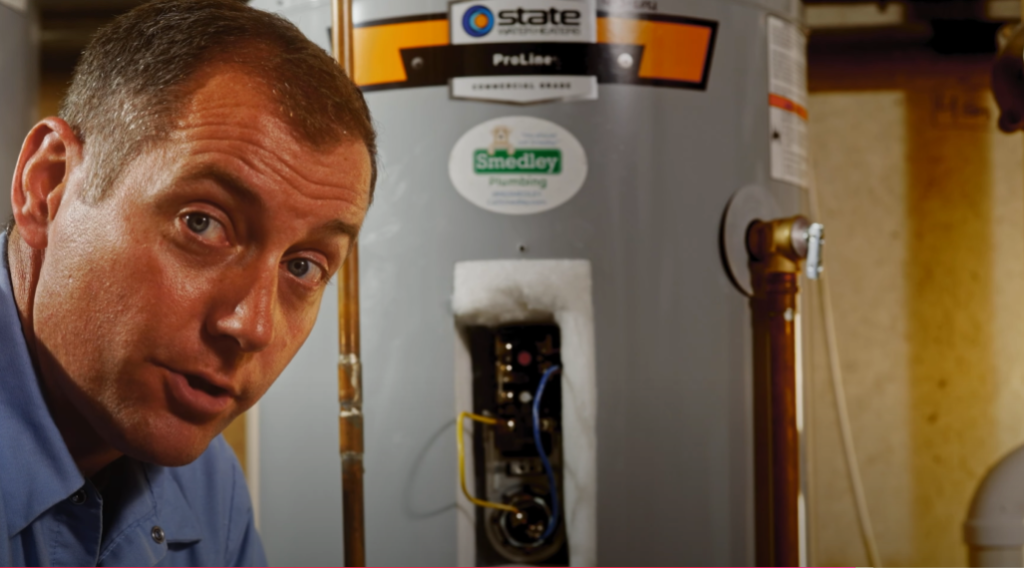
Electric water heaters normally have two parts: one at the top and one at the bottom of the tank. These parts turn electric energy into heat to warm the water. If one part stops working, you may get less hot water or none at all. Common signs that a heating part is faulty include:
- Only cold water when you feel it will be hot
- Hot water that runs out fast
- A red reset button on the top thermostat keeps turning off, which means there is an overheating problem
Safety First
Working with any electric tool means you should be safe. Before you check the parts, please do these things:
- Turn Off the Power Supply: Flip the circuit switch for your water heater to “off.” This turns off the electricity and makes it safe to open the water heater.
- Check with a Multimeter: A digital multimeter helps you see if the power is off. It will also help you test voltage and current as you go through the steps to troubleshoot.
Once you realize the power is off, you can use the elements and thermostats.
Accessing the Water Heater’s Thermostats and Elements
To get started, you’ll need to reach the thermostats and heating elements behind the access panels. Here’s how:
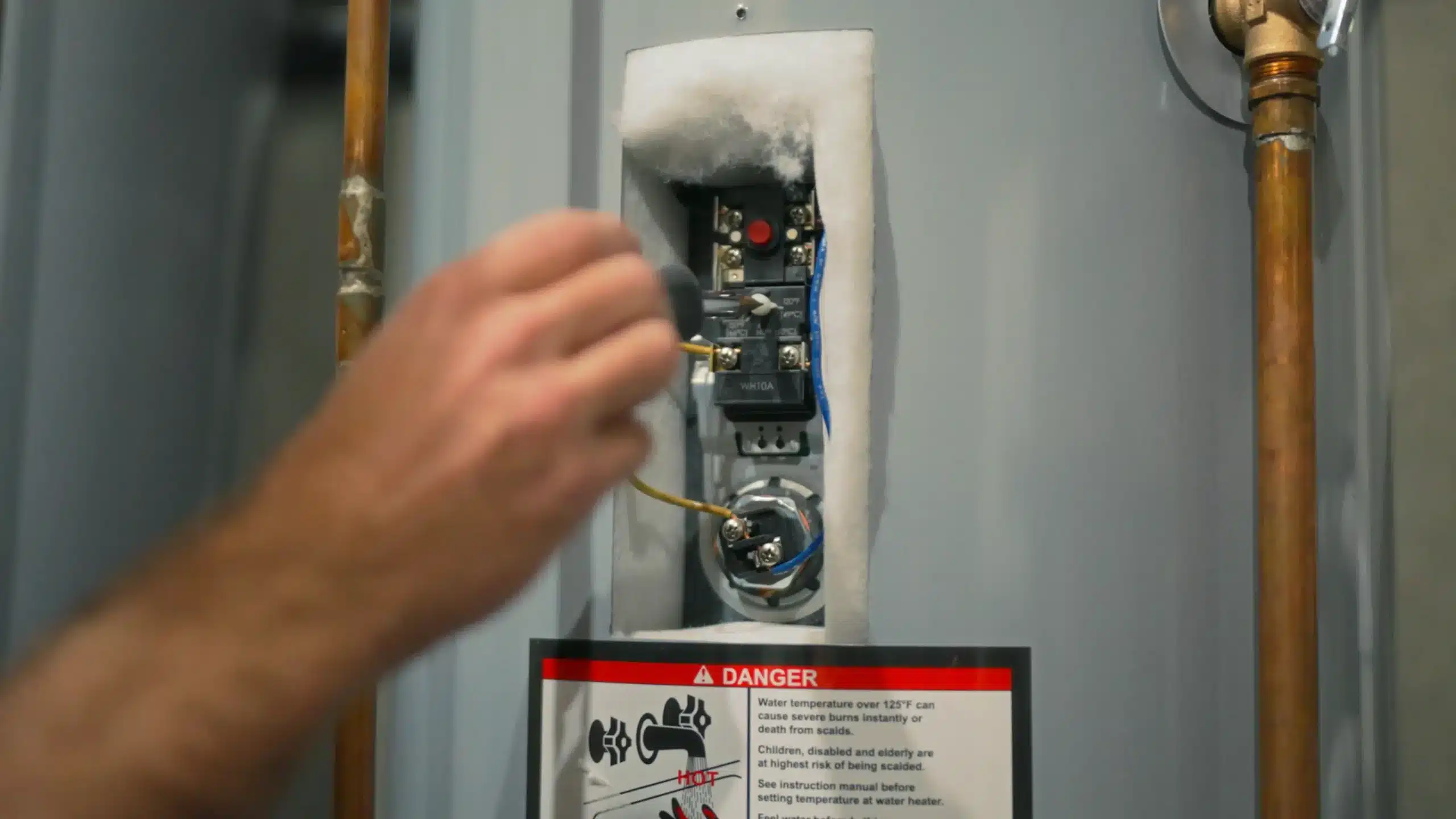
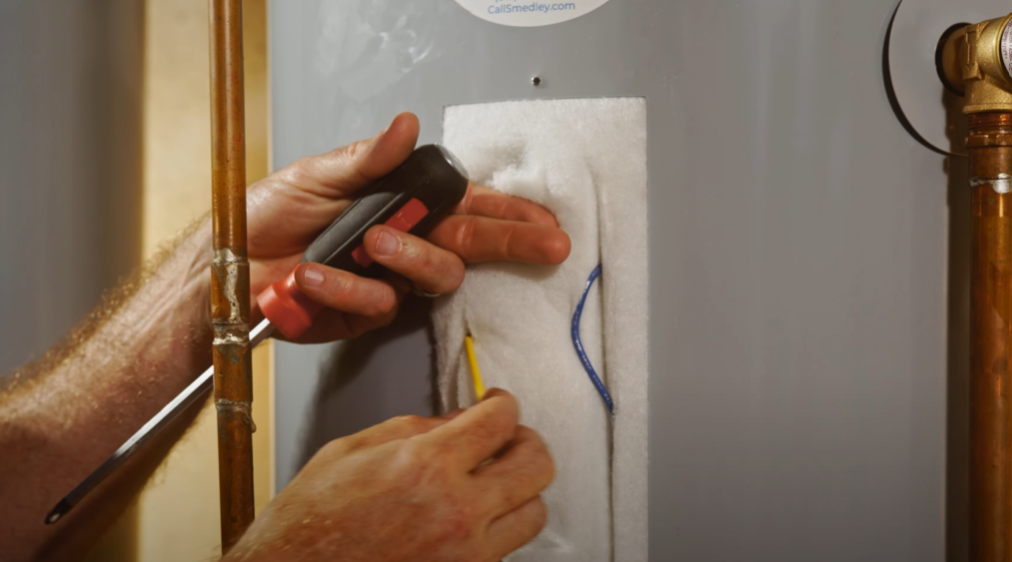
- Remove the Access Panels: Use a screwdriver to remove both the upper and lower access panels. There will usually be one or two screws on each panel.
- Take Out the Insulation: Carefully pull back the insulation to reveal the elements and thermostats. If it’s difficult to access, you can cut the insulation gently to make space for working.
- Identify Key Components: Now you should see both thermostats (upper and lower), the two heating elements, and the red reset button on the upper thermostat.
Check the Red Reset Button
The red reset button is an important safety feature. If something goes wrong and the water gets too hot, the button will trip and shut off power to the unit. Think of it as a clue for diagnosing the issue.
- What the Reset Button Means: If the button has popped out, it means the tank’s water temperature got too high at some point.
- What Might Cause the Reset to Trip: A tripped reset button could point to a faulty thermostat or an overheating heating element.
- How to Reset It: Push the button back in. If it trips again soon after, there’s likely an underlying issue that needs fixing.
Testing the Water Heater Elements
To check if a heating element is causing the problem, you will use a multimeter to do three tests: voltage, amperage, and flow. Each test gives a different part of the picture.
Voltage Test
The voltage test shows if the parts are receiving the power they need.
- Set the Multimeter: Change your multimeter to voltage mode (AC).
- Measure the Voltage: Put the multimeter leads on the two screws of the upper heating part. A working heater should read 240 volts. If you see no voltage, the thermostat or the part may have a problem.
Amperage Test
An amperage test can show if the part is pulling the right amount of current.
- Switch to Amperage: Use the amp clamp with your multimeter.
- Check Expected Amperage: Most home heaters are rated at 4,500 watts. With 240 volts, the heater should use about 18.75 amps. If your reading is not close, it could mean the element is partly failing.
Continuity Test
The continuity test checks if there is a complete path for electricity. This will show you if the part is still working.
- Set the Multimeter to Continuity: After you make sure the power is off, take the wires off the screws.
- Touch the Leads to Each Screw: If the element is good, you will hear a beep. If you don’t hear a beep, the element is broken and needs to be replaced.
Testing the Lower Heating Element
The lower part heats the bottom of the tank. It will only turn on when the top section is at the right temperature. Check it like you did with the upper part. A lot of times, the lower part breaks first, especially in places with hard water. This is where deposits can build up at the bottom of the tank.
If the tests show that the lower part is the problem, it could be a good idea to replace both parts. This will help keep the heating even in the tank.
How to Replace a Faulty Heating Element
If you see that one of your parts is not working, here is how to change it.
- Drain the Tank: First, turn off the water supply. Then, drain the tank so it is below the level of the part you need to change.
- Remove the Old Element: Next, use a wrench to unscrew and take out the broken part.
- Install the New Element: Finally, put in the new part and tighten it. Make sure the wires are connected well.
If you are changing one element, it might be wise to change both. This is especially true if your water heater is old. Doing this will help with even heating. It also lowers the chances of needing repairs again soon.
When a Full Rebuild Might Be a Good Idea
Sometimes, it makes sense to replace more than just one faulty part, especially if your water heater is aging. In these cases, a complete rebuild could be the best option. Rebuild kits typically include both elements and thermostats, giving your heater a fresh start. This approach can prevent future breakdowns and help your water heater run more efficiently.
Consider a Full Rebuild When:
- Your Water Heater is Several Years Old: A rebuild could extend its life by replacing worn-out parts.
- Cost-Effectiveness: Full kits can be less expensive than buying parts individually.
- Improved Performance: New parts installed together can help your water heater function better and last longer.
Maintenance Tips for a Long-Lasting Water Heater
Regular maintenance can help extend the life of your electric water heater and keep it working well. Here are a few easy maintenance tips:
- Flush the Tank Annually: Flushing out sediment buildup will help your lower heating element work more efficiently.
- Check the Anode Rod: Every couple of years, inspect the anode rod for signs of corrosion. Replacing it when needed helps keep the tank from rusting.
- Adjust the Thermostat Settings: Setting the thermostat to 120°F is usually best for both safety and energy savings.
- Test the Temperature Pressure Relief (TPR) Valve: This valve helps protect your tank from overheating. Test it occasionally to ensure it’s working.
When It’s Time to Call a Pro
If any part of this process feels too technical or risky, don’t hesitate to call in a professional. Diagnosing and repairing a water heater can be tricky, and an experienced plumber can handle it safely and get your hot water flowing again.
At Smedley Plumbing, we specialize in water heater replacement, installation and repair. Whether you need a quick fix or a brand-new unit installed, our team is ready to help keep your hot water running smoothly.
Final Thoughts
Diagnosing a bad water heater element may seem a bit complicated at first, but with the right tools and a little patience, you can usually figure it out. Checking the reset button and using a multimeter for testing are simple steps that go a long way in pinpointing the problem. And remember, if it’s all a bit overwhelming or you’d rather not handle it yourself, professional help is always available.
Need Help with Your Water Heater? Contact Smedley Plumbing Today!
At Smedley Plumbing, we’re here to make sure your hot water is always just a tap away. Call us for reliable water heater services, from simple repairs to full replacements. Let’s keep your water heater in top shape together!