If you’ve got a basement in Kansas City, chances are you’ve worried about water getting in. And for good reason. With all the heavy rain and fast-moving storms we get, it doesn’t take much for water to find a way inside.
That’s why sump pumps matter. They’re your basement’s first line of defense. But picking the right one? That can feel like a guessing game. There are lots of types, sizes, and features out there. Make the wrong call, and your home might not be ready when it really counts.
In this short guide, we’ll walk you through the basics in plain language. You’ll find out what to look for, which type of pump might fit your home best, and what mistakes to avoid. No pressure. No upselling. Just straight talk from the crew at Smedley Plumbing.
Let’s get started.
Why Kansas City Homes Need a Reliable Sump Pump
Kansas City gets a lot of rain about 42.3 inches a year. That’s more than the national average. And when it rains here, it doesn’t hold back. Flash floods, soaked soil, rising water, it can all hit fast.
Older homes in KC, especially those built before updated building codes, often have trouble keeping basements dry. But even newer homes aren’t safe. With heavy rain and clay-packed soil that swells and shrinks, water finds its way in.
That’s why a sump pump isn’t a bonus. It’s a must. It sits quietly in your basement and kicks on when the ground gets too wet. It keeps water out. Simple as that. But if it stops working? You could be facing a flooded basement and up to $25,000 in damage from just 1 inch of water.
We’ve helped a lot of KC homeowners clean up after basement floods. Most of them already had a sump pump, it just wasn’t the right one for the job. Or it gave out when they needed it most.
Here’s the bottom line: the right sump pump can save your home. And your wallet.
What Does a Sump Pump Actually Do?
Let’s keep it simple, a sump pump keeps your basement from turning into a pond when it rains hard.
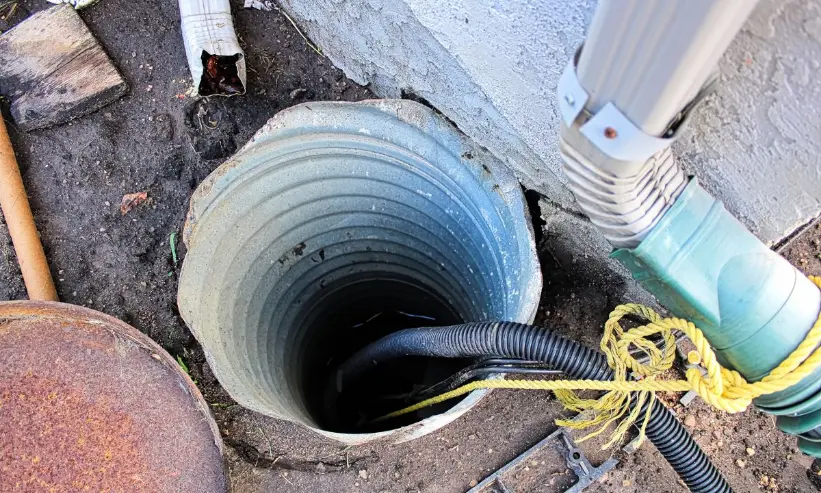
It sits in a hole in the floor, called a sump pit. This pit is usually in the lowest part of your basement. When water starts building up in the ground under your house, it flows into that pit. Once the water gets high enough, the pump turns on and pushes the water out. It sends it through a pipe that carries it away from your house usually into your yard or a nearby drain.
In plain terms:
Too much water near your home? The sump pump moves it out before it causes trouble.
No alarms. No panic. Just a quiet little pump doing its job in the background. But if it stops working, isn’t the right size, or can’t keep up, your basement could flood in a hurry.
And here in Kansas City, where storms can go from light to heavy fast, that’s not a problem you want to deal with unprepared.
Types of Sump Pumps: What Are Your Options?
Not every sump pump works the same way. Some handle heavy rain better. Others are easier to work on. The right one for your home depends on your basement setup, how much water you get, and how often the power goes out. Here’s a breakdown in plain English.
Submersible Sump Pumps
This kind sits down in the pit, completely under the water. It’s strong, quiet, and built to handle big storms.
- Good for deep pits and heavy water flow
- Runs quieter since it stays underwater
- The motor is sealed and stays dry
What we like: This type works well for most homes in Kansas City, especially if your basement takes on water during heavy rain.
Pedestal Sump Pumps
Here, the motor stays above the pit while the pump itself sits in the water. They’re easier to get to if you ever need to fix or clean something.
- Costs less than submersible models
- Simple to repair or replace parts
- The motor stays dry, which helps it last longer
Heads-up: They’re louder and don’t move as much water. Best for homes that don’t get flooded often.
Battery Backup Sump Pumps
When the power goes out during a storm, this pump keeps going. It kicks in on its own and keeps water from rising.
- Keeps working even in a blackout
- Can be added to most current setups
- Gives extra peace of mind
Bottom line: If your basement is finished or holds anything valuable, this is worth having especially since 65% of sump pump failures happen during power outages.
Water-Powered Backup Pumps
This type uses your home’s water pressure to pump water out if your main pump stops working.
- Doesn’t need power or a battery
- Runs on water pressure from your home
- Works well as a backup to your main pump
Good to know: These work best if your home has strong city water pressure. They don’t do well on wells or low-flow setups.
What Size Sump Pump Do You Need?
Let’s keep it simple. Here’s an easy chart to help you figure out which sump pump might be right for your home in Kansas City:
| Horsepower (HP) | What It Does | Water Flow | Best For |
|---|---|---|---|
| 1/3 HP | Most common size | Around 2,000 gallons of water/hour | Homes with light to average water, great for most Kansas City basements |
| 1/2 HP | Adds power for deeper pits or longer drain pipes | Around 3,000+ gallons/hour | Homes in lower areas or places that get water during heavy rain |
| 3/4 HP or more | Handles a lot of water, fast | 4,000+ gallons/hour | Homes that flood often or need to push water up a tall pipe to drain out |
💡 Smedley Tip: For most homes in Kansas City, a 1/3 HP sump pump does the job. Bigger isn’t always better. A pump that’s too large may run too often and wear out faster.
Key Features to Look for in a Sump Pump
Once you’ve figured out the right type and size, it’s time to look at the features that really count. These are the things that help your sump pump work better, last longer, and keep your basement dry when it matters most.
Here’s what to look for and why it matters:
Automatic Float Switch
This is what turns the pump on and off. As water rises, the float lifts. That tells the pump to start. When the water goes down, the pump shuts off.
Why it matters: You don’t want to be running down to flip a switch during a heavy storm.
Alarm System
Some pumps have a built-in alarm. It sounds off if the water gets too high or if the pump stops working.
Why it matters: A loud heads-up can keep a small problem from turning into a flooded basement.
Check Valve
This small part keeps water from flowing back into the pit after the pump pushes it out.
Why it matters: Without it, the pump works harder and wears out faster.
Strong Pump Housing (Cast Iron is Best)
Cast iron pumps are tougher than plastic. They handle more use and don’t overheat as easily.
Why it matters: During big storms, your pump might run nonstop. Cast iron holds up under pressure.
Corrosion Resistance
Look for stainless steel parts or coatings that fight rust. It helps if you have hard water, which is common in many Kansas City homes.
Why it matters: It keeps your pump from breaking down early.
Works with a Battery Backup
A solid sump pump is great but it needs power to run. If the power goes out, so does your protection.
Why it matters: A battery backup keeps the water moving, even during a blackout.
How Long Should a Sump Pump Last?
Most sump pumps last about 7 to 10 years. Some hold up longer, some give out sooner. It depends on the quality of the pump, how much it runs, and how well it’s taken care of.
Think of it like this, your sump pump is the quiet worker in the corner. You don’t notice it much… until it quits. Keeping an eye on how it’s doing can help you avoid a wet basement down the line.
Strange Noises
Hearing grinding, rattling, or banging sounds? That could mean parts inside the pump like the motor or impeller are wearing down.
It Runs All the Time (or Not at All)
If it’s always running, there could be an issue with the float switch or the pump may be too small for the job. If it won’t start when water rises, that’s also a problem.
Rust or Corrosion
A little rust is normal, but too much can slow things down or clog the system completely.
Water Backup or Basement Flooding
If water is creeping into your basement even though you have a sump pump, it’s time to check the pump or replace it.
It’s Over 10 Years Old
Even if it seems to work fine, once it hits 10 years, it’s on borrowed time. Replacing it before a big storm is always the safer bet.
We’ve had more than a few calls from folks who said, “It was fine last week,” just before their pump gave out. If you’re not sure how yours is doing, we can take a look.
DIY vs Pro: Should You Install It Yourself or Call Smedley?
So, you’ve picked out a sump pump. That’s step one. Now the big question, should you put it in yourself, or should we handle it?
If you’re handy, good with tools, and know your way around pipes and wires, you might be able to do it on your own. Especially if you’re swapping in the same kind of pump. But even then, a lot can go wrong if you miss a small step.
Here’s how it shakes out:
Doing It Yourself: The Upsides
- You could save a little cash up front
- It feels good to fix something with your own two hands
- Works best if you’re replacing a pump with the same model in the same spot
DIY Risks: The Part People Skip
- A bad fit or wrong power source can make the pump fail right when you need it most
- One small mistake could stop the pump from kicking on
- You might forget key parts, like the check valve or sealing the discharge pipe
- If it leaks or fails, you’re on your own
Bottom line: A bad install could flood your basement and cost way more than hiring a pro.
Why Folks in Kansas City Call Smedley
- We’ve installed hundreds of sump pumps around here. We know what works and what doesn’t
- We handle the digging, wiring, setup, and cleanup
- We’ll show you how everything works before we leave
- And if anything’s off? We come back and fix it free of charge
We also carry sump pumps we trust, built to last and backed by strong warranties. And like always, we leave your space cleaner than we found it.
What’s the Cost to Install a Sump Pump in Kansas City?
Let’s talk dollars because it’s easier to make a smart call when you know what you’re getting into.
The cost to install or replace a sump pump can change based on the setup in your home. Some jobs are simple. Others need more digging or parts. Here’s what most homeowners in Kansas City usually pay:
| Type of Work | Estimated Cost |
|---|---|
| Replace existing pump | $400 – $700 |
| Install new pump with pit setup | $1,000 – $2,500+ |
| Add a battery backup system | $300 – $1,000 |
| Water-powered backup system | $350 – $900 |
A few things to keep in mind:
- Submersible pumps usually cost more than pedestal ones
- Backup systems cost extra, but they help protect you during power outages
- Hard-to-reach spots (like tight crawl spaces or deep pits) can take more time and labor
What You Get with Smedley Plumbing
- Free quotes before we start
- No surprise charges ever
- Straight advice on what you need
- 11% discount for military families
- Payment plans for bigger jobs
Thinking about adding a sump pump or replacing one that’s worn out? We’ll come take a look and give you a clear, honest answer, no pressure.
Final Thoughts: Don’t Wait for a Flood to Fix the Problem
Here’s the truth, when a sump pump fails, it’s not just water you’re cleaning up. It’s soaked carpet. Ruined drywall. Boxes of stuff you thought were safe, now soaked and tossed. It’s stress you didn’t ask for.
In Kansas City, one heavy storm can dump inches of rain fast. If your basement isn’t ready, that water has nowhere to go but in. Waiting until it floods is a risk that’s just not worth it.
A good sump pump is quiet. It stays out of sight and does its job. But when it stops working, you’ll know fast. That’s why it pays to get ahead of the problem.
Not sure if your sump pump is up to the task? Wondering if it’s time for a new one? Give us a call. We’ll take a look, answer your questions, and talk through your options. No pushy sales talk. Just straight help from someone who’s done this before.
Need a Sump Pump in Kansas City? Call Smedley Plumbing.
We’ve helped a lot of KC homeowners keep their basements dry. We’re ready to help you too.
Proudly serving Kansas City, MO and nearby areas
Straight quotes. Fair prices. Work that holds up.
Call us at (816) 763-3539 or book online at smedleyplumbing.com
Sump Pump FAQs – Kansas City, MO
1. What type of sump pump works best for homes in Kansas City?
For most homes here, a submersible sump pump with 1/3 horsepower works well. It handles average rainfall, runs quietly, and fits deeper pits. That’s helpful in our area, where the soil holds water and spring storms can hit hard.
2. How do I know what size sump pump I need?
It depends on how much water your basement takes in and how far that water needs to travel. A 1/3 HP pump works for most homes. But if you’ve had flooding before, or your discharge pipe runs long or uphill, you might need a 1/2 or 3/4 HP pump.
3. Is a battery backup sump pump worth it in Missouri?
Yes. Power goes out often during Kansas City storms. If your main pump can’t run, a backup pump powered by a battery can keep water out of your basement. It’s a smart move, especially if your basement is finished or stores things you care about.
4. How long does a sump pump last?
Most last between 7 and 10 years. After that, they can slow down or stop working without warning. If your pump is getting old or acts up during storms, it’s a good time to think about a replacement.
5. Can I install a sump pump myself, or should I call a plumber?
If you’re swapping an old pump for the same kind, you might be able to do it. But if it’s your first time installing one or if the job needs electrical work or a deep pit, it’s safer to call a licensed plumber. We do this kind of work every day.
6. How much does sump pump installation cost in Kansas City?
It depends on your setup. A basic replacement might cost $400 to $700. A full new system with a pit and drainage can run $1,000 to $2,500. Adding a backup pump, depending on the type, usually costs $300 to $1,000.
7. What’s the difference between pedestal pumps and submersible pumps?
Pedestal pumps have the motor sitting above the sump pit, while submersible ones are placed down inside the pit and run underwater. Pedestal pumps are easier to maintain and generally last longer, but they’re louder and have lower pumping power. Submersibles are quieter and better for heavy flooding.
8. What is a combination sump pump system and do I need one?
A combination sump pump system includes both a primary pump and a backup sump pump in one unit. It’s a great all-in-one solution, especially in areas with a high water table or frequent storms. If your primary pump fails, the backup kicks in automatically, no extra installation needed.
9. How does pumping capacity affect sump pump performance?
Pumping capacity refers to how much water a pump can move in a given time usually measured in gallons per hour (GPH). Homes with a higher vertical lift, larger basements, or more frequent water intrusion should choose pumps with higher pumping capacity to keep up with demand.
10. What features help improve the life of the pump?
To extend the life of the pump, look for key features like a solid sump cover to keep out debris, a float switch that doesn’t get stuck, and durable materials like cast iron. Also, consider adding water alarms for early warning and regular checks based on the depth of the sump and the average water table in your area.