Clogged drains are a homeowner’s nemesis – frustrating, inconvenient, and often unpredictable.
From the ever-present shower hair in bathroom drains to sneaky grease buildup in the kitchen sink, various culprits can bring your home plumbing system to a complete – and often smelly – standstill.
But before you reach for the harshest chemical drain cleaners, understanding the type of clogged drain you’re faced with is key.
Simple solutions – like plungers – might work wonders for minor clogs and backlogs, while tough drain clogs require a different drain-cleaning approach.
In this article, we’ll address common causes of blocked drains in your home and give you easy DIY solutions to keep drain clogs at bay.
Top Culprits Behind Clogged Drains
Let’s look at a few common causes of drain clogs in the home – some of which form part of your daily routine without realizing it!
In the Kitchen
- Grease: Let’s be frank, we’ve all thrown a bit of cooking oil or grease down the kitchen sink when washing up, right? While these small amounts seem minor at the time, they cause more harm than you think.Grease, cooking oils, and even melted butter can coat plumbing pipes with a fatty layer that eventually clogs up our drains.
- Food waste: Bits of food, coffee grounds, and eggshells should never be thrown down the drain, even if you have a garbage disposal. These devices can only handle a small amount of food waste and should not be your ‘go-to’ to remove scraps.
- Non-food items: It’s easy, and not uncommon, for rings, cutlery, bottle tops, and the odd kids’ toy to get sucked down the drain when cleaning. These foreign objects cause major blockages in your plumbing systems.
- Mineral deposits: Mineral deposits, especially in areas with hard water, can calcify plumbing pipes and cause blockages. The excess limescale buildup restricts the flow of water, leading to blocked pipes in your home.
In the Bathroom
- Hair: Your hair is one of the most common causes of blocked drains in showers, bathtubs, and bathroom sinks. Over time, hair accumulates and forms a tangled mess that prevents water from draining properly.
- Soap scum: Soapy suds can build up on the sides of plumbing pipes and eventually cause a clogged drain. This is especially common in areas with a hard water supply.
- Non-flushable objects: This includes items like baby wipes, feminine products, diapers, and make-up wipes that cause severe pipe blockages, often needing a professional plumber to unclog the mess. These items do not belong in the toilet – unless you’re a fan of blocked drain pipes.
Preventing Clogs Before They Happen
Whether you’re dealing with a shower drain issue or a backed-up drain, consider adding a few of these preventative tips to your weekly routine.
Smart Kitchen Habits
- Pour oils from pots and pans into a glass jar. Once the oil has cooled down, dispose of it in the trash.
- Opt for a drain cover or drain screens in kitchen sinks to prevent weird and blockage-causing items from entering your pipes.
- Scrape food scraps into a bowl and throw them into your compost heap at the end of each day. Composting large amounts of food scraps in your backyard not only keeps your pipes clear but reduces the strain on your local landfills too!
- Wipe greasy dishes, pots, and utensils with paper towels before washing to prevent grease and food particles from entering your plumbing system. This includes wiping cutlery and crockery before loading the dishwasher.
- Periodically – say once a month – use drain cleaning products to prevent excess grease buildup.
- Once your washing up is done, flush kitchen sinks with hot water from the faucet to prevent nasty grime buildup.
- Hydro jetting is a powerful method for unclogging medium to large pipes, such as main supply lines. However, the high pressure might be excessive and could damage smaller pipes.
- Consider installing a water softener or using an inhibitor (cleaner) through your plumbing system. These chemical drain cleaners are designed to remove limescale, corrosion, and sludge from heating and plumbing systems.
Tip: Sulfuric-acid-based drain cleaners work well for clearing grease and food waste. However, these harsh chemical cleaners have the potential to ‘burn through’ plumbing pipes and should be used sparingly.
Bathroom Best Practices
- Use drain guards over your bathroom sink, shower, and bathtub drains to catch hair before it clogs the pipes.
- Regularly clean your shower (and shower drain) with caustic cleaners, like baking soda and vinegar solutions, to break down soap scum buildup (check out the next section for our DIY ‘recipe’).
- Pour boiling water down your bathroom sink and shower drain once a month to keep the drain pipe clear and debris-free.
- Remind yourself, family members, or housemates, about what can and cannot be flushed down the toilet. Place a sanitary bin in your bathroom to collect non-flushable items, like diapers, makeup wipes, and feminine hygiene products. Dispose of these items in the trash.
- Schedule routine annual maintenance with a professional plumber to prevent future clogs and to keep your pipes in tip-top condition.
Tip: If you have a severe drain clog on your hands, consider using a drain snake – a wire hanger with a small hook at the end works just as well too! Feed the drain snake down the drain and “hook” anything that’s caught in its way.
How to Make Your Own Natural Drain Cleaner
Baking soda and vinegar: Two ingredients you most likely have in your pantry.
This natural solution removes fatty residue or minor built-up debris from sinks and pipes.
Here’s the breakdown:
- Begin by pouring boiling water down the drain; one to two cups will be enough.
- Pour about half a cup of baking soda and half a cup of vinegar down the drain hole. You’ll notice the solution will start to bubble as the vinegar’s acidity reacts with the soda’s bicarbonate.
- Cover the drain for about 10 minutes and allow the solution to work its magic.
- Pour more boiling water down the drain to loosen any debris. Then, flush the drain with hot water from the faucet. Voila!
Knowing When to Call in the Pros
While preventative measures and DIY tips can go a long way, sometimes the clog just won’t budge.
6 Signs of Serious Clogs
Here are a few signs that indicate professional help is needed.
1. Slow drain
If your drains are emptying slower than usual, it’s a sign of a larger issue within your plumbing system that likely requires professional intervention.
2. Multiple clogged drains
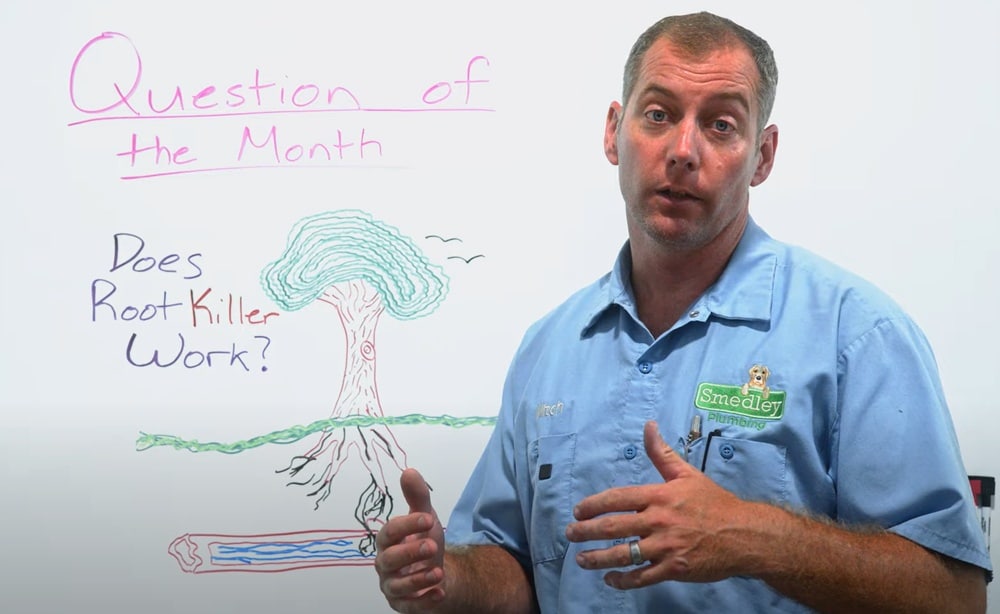
When clogs occur in multiple drains simultaneously, it usually points to a more significant issue within the main sewer line, often caused by tree roots. Removing these blockages requires the expertise of professional drain cleaners or plumbers.
3. Poorly flushing toilet
Difficulty flushing toilets or frequent backups can indicate a clog in the sewer line that needs immediate attention to avoid flooding and sewage backflow into the home.
4. Water backup
Severe clogs are evident when water starts backing up in sinks, showers, or bathtubs without the faucet being on. This requires professional drain cleaner attention to avoid hazardous conditions and the risk of bacterial contamination.
5. Standing water
Water pooling in sinks, tubs, or appliances such as dishwashers often suggests a clogged pipe caused by the accumulation of debris. This highlights the importance of regular drain cleaning in maintaining your plumbing system.
6. Gurgling sounds and foul odors
Gurgling sounds from drains or foul sewage smells can be signs of sewer line clogs. This requires professional intervention to prevent further damage and health concerns.
The Importance of Regular Plumbing Maintenance
Here’s why regular plumbing maintenance and draining cleaning is crucial for your home:
- Early detection of problems: A professional plumber can identify potential issues before they escalate into major pipe blocks or leaks. This proactive approach saves you money and stress in the long term.
- Preventative drain cleaning: During a plumbing maintenance checkup, your plumber will clean drains, remove built-up sediment and debris, and ensure all fixtures are functioning as they should. This helps prevent clogs and keeps your drain pipe flowing smoothly.
- Extended lifespan of plumbing systems: Expert drain cleaners ensure your plumbing systems are functioning at peak performance, reducing wear and tear and extending their longevity.
- Peace of mind: Knowing your drains are in good condition gives you peace of mind. You don’t need to worry about unexpected clogs or leaks disrupting your daily routine.
Incorporating both DIY and professional solutions is a winning strategy for keeping drains clog-free.
How We Can Help
No homeowner looks forward to a plumbing emergency, especially when a clogged toilet starts overflowing in the middle of the night!
Luckily, Smedley Plumbing‘s drain cleaners are available 24 hours a day, 7 days a week for all your emergency drain cleaning, sewer line unclogging, and rooter maintenance plumbing needs.
We offer unparalleled, quality plumbing services to the entire Missouri and Kansas areas; from Blue Springs and Lee’s Summit to Overland Park and Leawood.
We understand how stressful plumbing problems are and that the issue needs to be resolved ASAP to prevent further damage and costly repairs.
Call our reliable team at (816) 282-2055 or book online. We’ll handle all your drain cleaning, plumbing maintenance, repair, installation, and emergency service needs.
FAQs
How can I unclog shower drains?
There are many ways to unclog shower drains, such as plunging, drain snakes, baking soda and vinegar solutions, chemical cleaners, or removing the drain cover and clearing the debris by hand.
How much does drain cleaning cost?
The price for cleaning drains varies, depending on the type of plumbing fixture and the complexity of the clog.
As an estimate, unclogging kitchen sinks and garbage disposals costs around $60 to $300; bath and shower drain cleaning is about $225 and unblocking toilets is anywhere between $110 and $275.
Why does my garbage disposal have a foul odor?
When your garbage disposal has a foul smell, it’s usually a sign of food buildup in the pipes. As a solution, remove any visible blockages with tongs or pliers, then run hot water to flush out the drain pipe. Alternatively, you can sprinkle dry baking soda down the drain followed by white vinegar. This drain cleaning technique acts as a drain cleaner and deodorizer in one!
How do I clean the P trap?
The P trap is a bent pipe under the sink and is relatively easy to clean. Make sure you have a wrench, bucket, and a few towels on hand as it is quite a messy job.
Shut off the main water supply to the sink and place a bucket underneath the P trap. Using the wrench, loosen the nuts on either side of the pipe and empty the gunk into the bucket.
Rinse out the P trap pipe and reattach it by tightening the nuts and bolts with the wrench. Turn the main water supply back on and enjoy clog-free living!
Does boiling water clear blocked drains?
Pouring boiling water down drains is an effective method to clear minor clogs. However, it’s important to pour it slowly and ensure your sink and pipes can withstand the high temperature to avoid damage, especially if you have PVC pipes.
Can vinegar be used for drain cleaning?
Yes, a vinegar and sodium bicarbonate (baking soda) mixture works best for minor blockages.
Read the FAQs section on Smedley’s home page to find out about our pricing, payments, and discounts!
Conclusion
The good news is that most clogged drains are preventable!
By incorporating these simple DIY drain cleaning solutions into your routine, you can significantly reduce the chances of frustrating backups.
Disposing of cooking oil in the trash, avoiding flushing make-up wipes and diapers, and using drain screens to block foreign objects from entering your pipes are simple yet effective measures to keep your pipes clear and free from clogs.
Think of it as an investment in the smooth operation and longevity of your entire plumbing system. After all, a well-maintained plumbing system not only saves you from the inconvenience of clogs but can also help you avoid costly repairs down the line.
If you’re ready to take control of your drains and enjoy the peace of mind that comes with a clog-free home, reach out to Smedley Plumbing today!
References
https://www.goodhousekeeping.com/home/cleaning/g31153987/best-drain-cleaners/
https://www.angi.com/articles/how-much-does-drain-cleaning-cost.htm
https://www.advantageplumbingnow.com/2023/05/10/drain-cleaning-chemicals/
https://www.smithsplumbingservice.com/blog/2021/april/4-signs-your-sewer-line-is-clogged/
https://simplygreenplumbing.com/9-common-causes-of-clogged-drains-and-how-to-prevent-them/