Does Root Killer Work? Here’s What You Should Know
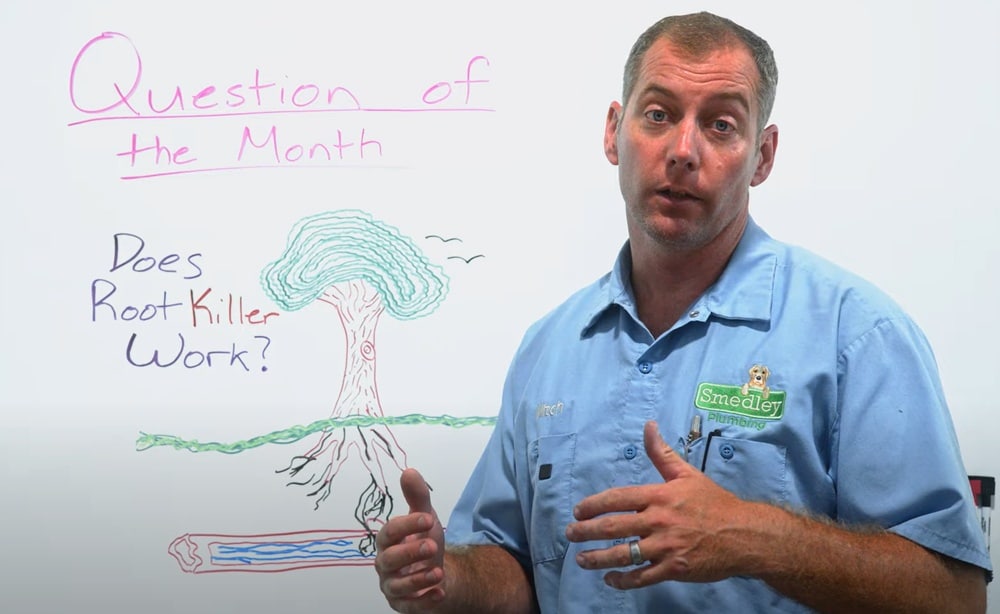
Hey everybody, Mitch with Smedley Plumbing here, and today’s question of the month in our little video series here is going to be, does root killer work?
We get this question quite a bit as we’re augering sewer lines. It’s kind of a loaded question. They’ve got chemicals available at your local hardware stores and home improvement stores that advertise themselves as root killers. You can put them down your toilet or flush them down your drain, and they will kill the tree roots that are getting into your sewer line. By definition, they do kill the roots; however, they don’t necessarily work all that well at keeping your drain line flowing free and clear. Let me explain.
What Is Root Intrusion and Why Is It a Problem?
Root intrusion happens when tree roots make their way into your sewer pipes. They’re searching for water and nutrients. Over time, these roots can completely block the pipe, leading to serious issues like clogs, leaks, and even burst pipes. Older homes with clay or cast iron sewer lines are especially at risk, but newer systems can still be affected. The damage from root intrusion can get expensive quickly—think frequent backups, low water pressure, and water damage in your home.
How Do Tree Roots Grow in Your Sewer Line
Homeowners must understand that tree roots invade a sewer line through the joints, any cracks in pipe walls, and especially the top of a sewer line. Tree roots are very resourceful in finding the nutrients they need for root growth. This causes many homeowners common tree root problems because most main sewer lines and plumbing systems run underground, typically underneath a tree. The growing tree root system will find its way into any joints or openings your sewer line may have. Once the root has entered your sewer system, restoring any root control can be expensive.
The root intrusion will grow over time if left untreated and will slowly start to compromise the drain line flow. Causing your plumbing systems to become clogged and backed up, and a very expensive fix. Homeowners typically have root growth issues for older homes that use clay pipes because clay pipes are not as durable as PVC drain pipes are for modern homes. Unfortunately, septic systems are also susceptible to root problems, especially if a septic tank becomes compromised because of new root growth.
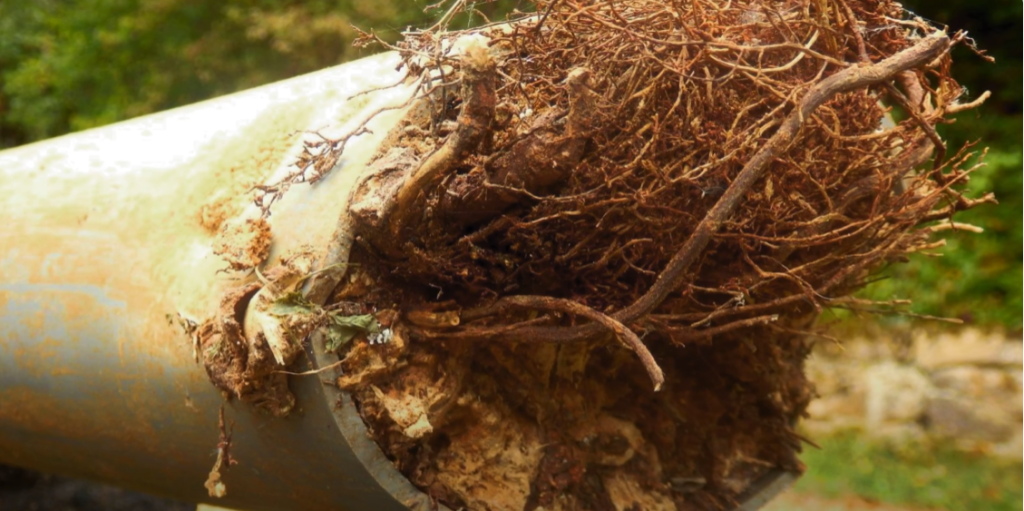
Below is a picture demonstrating tree roots’ extensive growth within a drain pipe. The roots start from the top and will slowly work their way to the bottom, and that’s when homeowners begin to notice issues. Tree roots catch and collect all of the toilet paper and waste that is supposed to be flowing, eventually causing a backup in your plumbing system.
What Is Root Killer?
Root killer is a chemical solution designed to kill tree roots that have found their way into your sewer pipes. The roots die off without harming the tree itself. There are a few types of root killers, but they all aim to remove the roots clogging up your pipes and keep them from coming back.
Root Killer Products
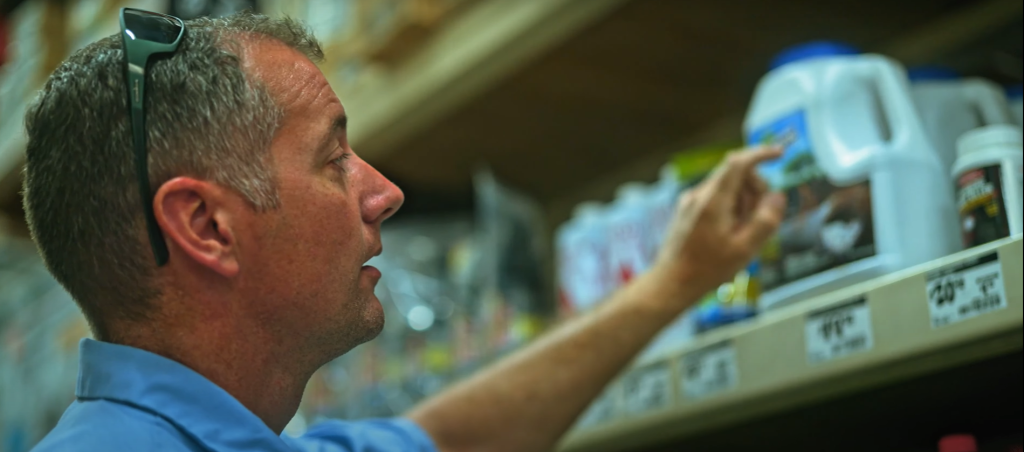
If you’re a homeowner attempting to DIY your root problems thinking you’re a tree root killer, it’s good to know how root killer products actually work.
When root killer for sewer lines are poured down a drain line, it only flows along the bottom of the pipe. Most root killers don’t flow very well along the top of a drain pipe. As mentioned above, root growth begins at the tops of most pipes and makes its way to the bottom. The root-killing solution will come into contact and kill the bottom layer of root growth, but this will not completely restore your sewer line flow. A tree root killer could help for a quick temporary solution, but it is not the answer to the bigger problem.
If you plan to use root killers, it’s important to understand the different types of root killers and how they can affect the tree roots and your drain pipes.
The most common root killer available for consumers is copper sulfate solutions. Copper sulfate is made from copper compounds and sulfuric acid. It is a traditional drain cleaner used when tree roots begin to affect sewer systems and obstruct drain pipes.
Other chemical root killer chemical solutions such as dichlobenil not only kill roots but helps to prevent new roots from growing due to their corrosive properties. Dichlobenil is combined with other chemicals, such as metam-sodium, that act as a contact herbicide. Meaning it only works when it comes in contact with the tree root. RootX is a product that uses the dichlobenil root-killing method.
Another type of root killer is the foaming tree root killer compound. A foaming root killer will self-foam once it comes into contact with water, and when it comes into contact with a root, it will stick to it. When the foaming root killer properties attach to the tree root, the solution quickly eliminates many of the roots. Roebic is a common product that uses the foaming tree root killer method. Both Rootx and Roebic chemicals can be found at stores such as Home Depot and Amazon, or whichever place has similar chemicals.
How Does Root Killer Actually Work?
Root killers target the roots that have invaded your sewer pipes. Once applied, the chemicals kill off the roots by dissolving them or poisoning the root system. Over time, the dead roots break off and are flushed away, allowing water and waste to flow freely again.
How to Apply Root Killer
- Pour It In: Depending on the product, you either pour it directly into your toilet or a drain.
- Flush with Water: After applying, you need to flush it through with water to help the solution reach the roots.
- Give It Time: Root killers usually take a few hours or days to work, so avoid using too much water during this period to let the product do its job.
Does Root Killer Really Work?
The short answer is yes—root killers can work, but it depends on the situation.
When It Works Best
- Early Detection: If you catch the problem early, the root killer can stop the roots before they do too much damage.
- Routine Maintenance: Using root killers regularly can prevent bigger issues from arising and keep your sewer lines clear.
When It Might Not Be Enough
- Severe Root Growth: If the roots have already spread throughout the pipes, root killer might not cut it. You might need a plumber for more serious root removal.
- Temporary Fix: Root killer deals with the roots, but it won’t fix cracks or openings in your pipes. If the roots found a way in once, they might come back unless you fix the underlying issue.
Signs You Have Tree Roots in Your Pipes
There are several signs to watch out for that can indicate you have root damage.
Slow-Moving Drains
Slowly moving drains are the typical first indication of root problems with your sewer line. If you notice that your toilet drains slowly or makes gurgling sounds when you flush, roots have most likely invaded the drain pipes. If you have an older home with clay pipes or have mature trees on your property, there is a higher risk for tree root problems. Learn more about our expertise on clearing Clogged Drains.
Sinkholes
Sinkholes are common in some sections of the nation. However, they are also an indication of major root damage to drain pipes. As a homeowner, it’s best not to go near any obvious sinkholes in your yard. Call a licensed plumber to investigate the problem and assess the situation. A plumber can indicate if the issue is a potential risk for your home’s foundation and will assist in providing the best solution.
Blocked or Collapsed Pipes
Backed-up toilets are a major annoyance. However, if the issue is related to roots in your pipes, you might wish the problem was caused by something your kids flushed down your toilet. The truth is root obstructions are one of the most common reasons for clogged pipes. This problem will not go away with the help of a professional plumber.
Foul Odors
Tree roots cause havoc on sewage pipes, causing them to clog. If not caught, the pipes can collapse. If you notice any foul odors both inside and outside the property, such as the smell of rotten eggs, you may have a major blockage.
You Should Call Smedley Plumbing
The best root killer is actually having a plumber come out. At Smedley Plumbing, we’ve seen it all when it comes to root intrusion. Our experienced team can handle even the most stubborn root problems. We use advanced methods like camera inspections to locate the exact problem and offer long-term solutions like root killer treatments, hydro jetting, and trenchless sewer repairs.
Learn more about our Sewer Piping Service!
Blue Springs Homeowners: You Probably Need This
If you’re in Blue Springs, listen up—we see tree root issues here all the time. Older homes? Tons of trees? Clay pipes? Yeah, you’re in the danger zone.
That’s where Smedley Plumbing comes in. We don’t just dump some chemicals and call it a day. We actually:
- Scope your pipes with a camera to see how bad it is.
- Hydro jet the crap out of them if needed (literally).
- Use root killer to keep them from coming back.
And if it’s too far gone, we do trenchless sewer repairs so you don’t have to destroy your yard.
Tips to Prevent Future Root Intrusion
Preventing roots from getting in is easier than fixing the problem after. Here’s how you can stop it:
- Use Root Killer Often: Using root killers can help you manage roots as part of your plumbing care.
- Choose Your Plants Wisely: When planting trees, keep them away from your sewer lines.
- Set Up Root Blocks: Root blocks can stop trees from growing too close to your pipes.
- Check Your Plumbing Regularly: Regular checks can spot root problems early and prevent bigger issues.
Lee’s Summit: Same Problem, Same Fix
Lee’s Summit homeowners, we’ve seen your plumbing, and yeah… it’s time to do something about those roots. With the older neighborhoods and big, mature trees, it’s only a matter of time before they invade your pipes.
Instead of waiting until you get sewage in your basement, hit us up. We’ll:
- Find the issue before it turns into a disaster.
- Use root killer the right way so it actually works.
- Offer long-term solutions (like trenchless repairs or rerouting pipes).
We get it—plumbing problems suck. But dealing with it now is way cheaper than waiting until your entire sewer line collapses.