Dealing with a collapsed sewer line is a plumbing nightmare no homeowner wants to face. It can lead to serious problems like backups, water damage, and even health hazards from sewage exposure. The key to avoiding the worst of it is knowing what causes sewer lines to collapse, spotting the warning signs early, and understanding your options for fixing the issue. In this post, we’ll break down everything you need to know, from causes and symptoms to repair options and how to prevent it from happening again.
What Is a Collapsed Sewer Line?
A collapsed sewer line happens when the pipe that carries wastewater from your home to the city sewer breaks, caves in, or cracks apart.
It’s not the same as a clog. Clogs are caused by buildup and can often be cleared. A collapse means the pipe itself is damaged or missing, so water can’t flow through.
When this happens, sewage can back up into your home. You might see it in the tub, smell it in the basement, or hear it bubbling in the toilet. Outside, it can cause soggy spots in the yard or damage your foundation.
Collapsed lines need quick repair. Waiting only makes the damage worse and the fix more costly.
Why Sewer Lines Collapse in Kansas City
There’s no single reason why a sewer line might collapse. In fact, it can happen for several reasons, and some pipes are more prone to failure than others. Here are the most common culprits:
1. Old, Worn-Out Pipes
If you live in an older home, you might still have pipes made from materials like clay or cast iron. These were common back in the day but don’t hold up well over time. As they age, they weaken, crack, and eventually collapse. Modern PVC pipes are far more durable, but if your home still has those old materials, the risk is definitely higher.
2. Tree Root Invasion
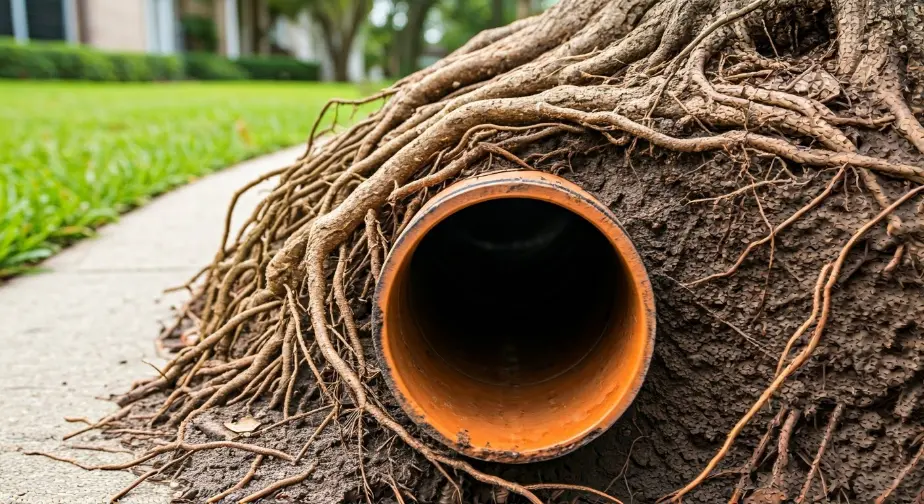
Tree roots are a big problem when it comes to sewer lines. They’re always searching for water, and if they find a small crack in your pipe, they’ll work their way inside. Over time, the roots can grow and block the pipe completely or even break it apart. If you have large trees near your sewer line, this is a real possibility, and it’s a leading cause of pipe collapses.
3. Ground Shifting
Shifting soil is another common issue. This can happen naturally from erosion, or it could be triggered by things like an earthquake or nearby construction work. When the ground moves, it can put pressure on your sewer pipes, causing them to bend, crack, or break entirely.
4. Corrosion
Pipes made from metals, especially cast iron, can corrode over time. Water and waste materials are often full of chemicals that eat away at the pipes from the inside. If corrosion is the issue, you might notice rusty water or frequent small leaks before the entire pipe finally gives way.
5. Poor Installation or Maintenance
Sometimes, the problem starts at installation. If pipes aren’t laid correctly or aligned properly, they can be under stress from the get-go, leading to cracks and collapse over time. Likewise, not maintaining your sewer system regularly means small problems go unnoticed until it’s too late.
What are The Signs Of a Collapsed Sewer Line
Collapsed sewer lines don’t happen overnight, and there are usually warning signs that something’s wrong. Here’s what to look out for:
1. Frequent Backups
Are your toilets, sinks, or tubs constantly backing up? If it’s happening to more than one drain at the same time, it could point to a main sewer line clog. If the pipe has collapsed, wastewater has nowhere to go.
2. Bad Smells
If you notice a constant sewer odor around your home or yard, there could be a break in the sewer line. When the pipe collapses, sewage can leak out and cause those awful smells to linger.
3. Wet Patches in Your Yard
A collapsed sewer line can cause water to leak into the surrounding soil, creating soggy or raised patches in your yard. If the weather’s been dry but your yard still has these spots, there’s a good chance your sewer line is to blame.
4. Slow Drains or Gurgling Sounds
Is your drain water flowing slow, or do you hear strange sounds when the water’s going down? These are most common signs of a blocked or collapsed sewer line. Gurgling happens when air is trapped in the pipe because water can’t flow through properly.
5. Higher Water Bills
If your water bill suddenly spikes and you’re not using more water, there could be a leak in your sewer line. A collapsed pipe will let water leak into the ground, which can show up on your bill before you even know there’s a problem.
How to Confirm a Collapsed Sewer Line
If you suspect your sewer line is collapsing, you’ll need a professional plumber to confirm it. Here’s how they’ll do it:
Video Camera Inspection
A plumber will likely start with a sewer camera inspection. They’ll send a small camera down your sewer line to take a look at what’s going on. This is the easiest and most accurate way to find out if there’s a collapse or other issue.
Pressure Testing
In some cases, plumbers use pressure tests to see if your sewer line is holding water. If the pressure drops suddenly, it’s a sign there’s a break or collapse somewhere along the pipe.
Excavation
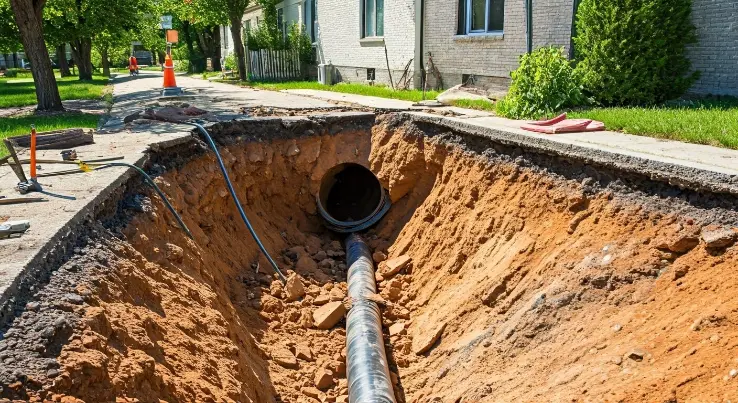
When the exact spot of the collapse isn’t easy to find or if the damage is severe, traditional excavation might be needed. This involves digging up the pipe to take a closer look, but it’s usually only done when other methods don’t give clear answers.
What Happens if You Ignore a Collapsed Sewer Line?
Ignoring a collapsed sewer line can lead to some pretty unpleasant consequences, both for your home and your health. Here’s what could happen:
1. Health Risks
When a sewer line collapses, raw sewage can leak into your yard or home, exposing you and your family to harmful bacteria and viruses. Plus, the extra moisture can lead to mold growth, which can cause respiratory issues.
2. Property Damage

A collapsed sewer line can cause serious damage to your property. Water leaking from the pipe can flood your basement, damage your foundation, and ruin your landscaping. The longer you wait to fix it, the worse the damage gets.
3. Environmental Issues
Leaking sewage doesn’t just affect your property, it can contaminate nearby water sources and damage local ecosystems. If your sewer line is leaking into the ground, it can have far-reaching effects on the environment.
4. Higher Repair Costs
If you catch a collapsed sewer line early, you might only need a small repair. But if you wait too long, it could require a full sewer line replacement, which is far more expensive. The sooner you address the problem, the less it’ll cost you in the long run.
How to Fix a Collapsed Sewer Line
There are a few different ways to fix a collapsed sewer line, depending on how bad the damage is. Here are the most common repair methods:
Trenchless Sewer Repair
Trenchless repairs are becoming more popular because they don’t require digging up your entire yard. There are two main types:
Pipe Lining
This method involves inserting a flexible liner into the damaged pipe. The liner is coated with resin, which hardens and forms a new pipe inside the old one. It’s a great option for minor to moderate damage.
Pipe Bursting
In more severe cases, the old pipe is broken apart, and a new one is pulled into place. This method works well when the pipe has completely collapsed.
Traditional Sewer Repair
Sometimes, trenchless methods aren’t an option, and you’ll need to go the traditional route. This involves digging up the damaged section of the pipe and replacing it. While it’s more invasive and expensive, it’s the best option when the damage is extensive.
Spot Repairs
If only a small section of the pipe is damaged, spot repairs can be done. This means digging up and replacing just the affected part of the sewer line.
How to Prevent Future Collapsed Sewer Lines
While it’s not always possible to prevent a sewer line from collapsing, there are a few things you can do to reduce the risk:
1. Get Regular Inspections
Have a plumber inspect your sewer line once a year to catch any small problems before they turn into big ones. Video sewer inspections are a great way to keep an eye on things without causing any disruption.
2. Manage Tree Roots
If you have trees near your sewer line, make sure you manage their growth. This could mean trimming back roots or installing barriers to keep them from getting into the pipes.
3. Upgrade Old Pipes
If you live in an older home with clay or cast iron pipes, consider upgrading to PVC before the old pipes fail. Newer pipe materials are much more durable and can prevent future collapses.
4. Watch What You Flush
Don’t flush things that don’t belong in the sewer system, like paper towels, feminine hygiene products, or cooking grease. These can cause clogs that lead to a sewer line collapse.
How Much Does Sewer Line Repair Cost?
The cost of repairing a collapsed sewer line depends on several factors, including the extent of the damage and the repair method used. Here’s a breakdown of typical costs:
Video Inspections: These usually cost between $100 and $500, depending on the complexity of the job.
Trenchless Repairs: Depending on the length and depth of the pipe, trenchless repairs can cost anywhere from $4,000 to $20,000.
Excavation and Replacement: Full excavation and replacement of a sewer line can range from $7,000 to $25,000 or more, depending on how much digging is needed.
When to Call a Professional
If you think your sewer line has collapsed, don’t wait; call a professional plumber right away. Trying to fix it yourself could make the problem worse, and sewer line collapses are too serious to ignore. A plumber can use advanced tools like video inspections and trenchless technology to diagnose and repair the issue quickly and efficiently.
Why Call a Professional?
Specialized Tools and Equipment
Fixing a broken sewer line is more than just clearing a blockage. It needs special tools that most homeowners do not own. Professional plumbers use modern equipment like video cameras, hydro jetting systems, and trenchless repair tools. These devices help them see the problem clearly and fix it without harming your property.
Expertise and Experience
Repairing sewer lines is hard, and it can be serious. A professional plumber brings a lot of experience. They can find out why the line broke and choose the best way to fix it. They know how to do methods like pipe lining, pipe bursting, or digging. A pro will make sure the job is done safely.
Prevent Further Damage
Trying to fix a broken sewer line by yourself can make things worse. Without the right tools and knowledge, you could damage your pipes more, which may lead to a full failure. Professionals handle these problems carefully to stop damage to your home’s foundation, yard, and plumbing system.
Compliance with Local Codes
Sewer line repairs usually need permits, especially if you have to dig. A licensed plumber knows about local building rules and will get all the necessary permits before starting. This keeps you from facing legal problems later and ensures the job meets required standards.
Save Time and Money
While hiring a pro might feel expensive at first, it can save you cash over time. A professional plumber fixes the issue quickly and correctly. This helps avoid repairs in the future that could happen if the job is not done right. Plus, they can find solutions that do not need digging up your yard, helping you avoid extra costs for yard repairs.
How Long A Sewer Repair Process Takes (And What to Expect)
We know one of the first things folks ask is, “How long will this take?” Totally fair. It’s your home, and being without plumbing is no fun.
Here’s how things usually go with us:
Camera inspection and diagnosis
This part takes about an hour. Once you call, we try to get out the same day or the next.
Permits and planning
If we need to dig or replace the full line, permits from Kansas City might be needed. That usually takes a day or two, depending on the job.
Repair timeline
For small fixes, we can often wrap things up in just one day. Bigger jobs like full line replacements can take two or three days. It might take a bit longer if access is tricky or the weather slows us down.
Clean work, no mess left behind
We take care of your yard, keep things safe, and clean up before we go. No giant piles of dirt or torn-up grass left behind.
From start to finish, we keep you updated and work hard to get your home back to normal without dragging things out.
Think Your Sewer Line Collapsed? Let’s Take a Look.
If something doesn’t feel right, slow drains, bad smells, or water backing up, it’s worth checking out. A collapsed line won’t go away on its own. But with the right fix, it doesn’t have to turn into a disaster.
Call Smedley Plumbing at (816) 763-3539 or book online at smedleyplumbing.com. We’ll inspect the line, show you what’s going on, and walk you through the repair, no pressure, just straight answers and real plumbing work done right.
Final Thoughts: Don’t Wait on a Collapsed Line
A collapsed sewer line isn’t something you can put off. The longer it sits, the worse it gets, and the more it can cost to fix. What starts as a slow drain or bad smell can turn into a full backup, yard damage, or even foundation issues.
If you think something’s off, don’t wait. Call a plumber who knows what to look for and how to fix it the right way.
At Smedley Plumbing, we’ve handled sewer line repairs across Kansas City for years. We know how to spot the problem, explain your options, and get your plumbing back on track with no runaround.