Sewer pipe leaks aren’t just gross, they’re dangerous, expensive, and surprisingly common in Kansas City homes. One hidden crack underground can lead to foul smells, mold, soggy lawns, or even foundation damage. And once it gets bad, it gets expensive.
At Smedley Plumbing, we’ve seen how a small issue like a slow-draining toilet or a bad sewer smell can turn into a full-blown emergency if ignored. That’s why we’re breaking it down simply: what to watch for, what causes it, and how to fix it before things get worse.
If you suspect something’s wrong with your sewer line, don’t wait. This post will walk you through the signs, common causes, and pipe repair options so you know exactly what to expect and what steps to take next.
Warning Signs Your Sewer Pipe Might Be Leaking
Not all leaks make a mess right away. Sometimes, the signs start small until you can’t ignore them anymore. Here’s what we tell our Kansas City homeowners to keep an eye (and nose) out for:
1. Unexplained Odors
That musty, sour, or rotten egg smell? It’s often the first red flag. Sewer gas has a strong, foul odor that can drift up from sinks, drains, or your basement floor. It’s more than just unpleasant, it’s a safety risk if ignored.
2. Slow or Gurgling Drains
A clogged drain here and there is normal. But if multiple drains start bubbling, backing up, or slowing down, you may be dealing with a bigger issue like a broken or blocked sewer line.
3. Soggy or Sunken Spots in the Yard
Got an unexplained wet patch outside, even when it hasn’t rained? A leaking underground pipe might be saturating the soil. Left alone, this can erode the ground and even impact your home’s foundation.
4. Cracks in the Foundation or Walls
Over time, leaks under or near the house can shift the soil and create pressure on your home. That small crack in your basement wall could be more than a cosmetic problem.
5. Frequent Backups or Flooding
If you’ve had more than one plumbing backup in the last year, your main sewer line may be damaged or collapsing. Temporary fixes like snaking won’t solve a bigger underground leak.

What Causes Sewer Pipe Leaks in Kansas City Homes
Sewer pipe leaks happen for a few common reasons we see often around Kansas City:
1. Worn-Out Or Old Pipes
Many local homes still have clay or cast iron lines. Over time, exposure to organic matter and human waste wears them down, leading to cracks and leaks.
2. Tree Roots in the Line
Roots naturally seek out moisture. Once inside a pipe, they grow fast and can break it apart from the inside out.
3. Shifting Soil or Ground Movement
Freeze-thaw cycles and heavy rains can shift the ground, stressing buried pipes until they crack or collapse.
4. Bad Installations or Repairs
Poor slope, loose fittings, or sloppy joints from previous work often cause recurring leaks even in newer homes.
5. Improper Flushing
Grease, wipes, and debris can build up pressure and damage pipe walls, especially if blockages happen often.
How We Find a Sewer Line Leak (Without Digging First)
Before we touch a shovel, we use tools that give us a clear view of what’s going on underground. No guesswork. No unnecessary damage.
We send a high-definition camera into your sewer line to see exactly what’s causing the issue cracks, clogs, roots, or breaks. You’ll see what we see in real-time, and we’ll walk you through the next steps.
2. Smoke Testing
If the leak isn’t easy to spot, we use a safe, non-toxic smoke test. Smoke moves through the system and escapes where there are gaps or cracks like near a broken joint or missing wax ring. It’s fast, safe, and highly accurate.
3. Water or Dye Testing
Sometimes we run colored water through the system to trace hidden leaks, especially if it’s showing up in a basement or yard. It helps us connect surface issues to pipe damage underground.
How We Fix Sewer Pipe Leaks in Kansas City
Once we’ve found the leak, we focus on fixing it right the first time, no shortcuts, no band-aids. Just solid sewer pipe repairs built to last.
Spot Repairs for Localized Damage
If the damage is limited to one section like a cracked joint or tree root intrusion, we cut out the problem area and replace it with new pipes. It’s quick, effective, and saves you from unnecessary work elsewhere.
Full Sewer Line Replacement
If your line is old, collapsed, or damaged in multiple places, a full pipe replacement may be the smartest long-term fix. We’ll explain your options clearly and help you decide what makes the most sense for your home and budget.
Trenchless Sewer Repair
In some cases, we can use trenchless repair methods to repair underground lines without digging up your yard. It depends on pipe condition and location, but when it works, it saves time, cost, and mess.
How to Prevent Sewer Line Leaks (Before They Start)
Fixing a sewer leak is one thing. Keeping it from coming back? That’s where prevention pays off.
Watch What Goes Down the Drain
Grease, wipes (even the “flushable” ones), feminine products, and food scraps don’t belong in your pipes. They cause buildup that can crack or clog lines over time.
Schedule Routine Drain Cleaning
We recommend regular drain cleaning especially if your home is older or has large trees nearby. Clearing out early blockages keeps the pressure off your pipes.
Keep an Eye on Your Water Pressure
High pressure may feel nice in the shower, but it’s hard on plumbing. If your water pressure seems unusually strong, we’ll test it and make sure it’s not straining your lines.
Get a Sewer Camera Inspection Every Few Years
A quick camera inspection gives us a clear view of your pipes. We can spot early warning signs like small cracks or growing roots before they turn into major plumbing issues.
When to Call a Pro (And Why Waiting Can Cost You)
A sewer line issue isn’t something you want to wait on.
If you smell sewage, see pooling water, or notice slow drains across your home, don’t try to DIY it. These are signs of a deeper problem and quick fixes often don’t hold up.
The longer a leak sits, the more damage it can do. What starts as a soft spot in the yard or a foul odor can turn into foundation cracks, ruined flooring, or dangerous mold growth. In some cases, sewage can even back up into your home.
That’s why we keep things simple: You call, we listen, and we show up with the tools to get the job done right without pressure or guesswork. No drawn-out visits, no half-fixes.
Think You’ve Got a Sewer Leak? Let’s Take a Look
A small leak can turn into a big mess fast. If you’re seeing warning signs or just want peace of mind, give us a call. We’ll check it out, explain what’s going on in plain language, and fix it the right way, no stress, no surprises. Call Smedley Plumbing at (816) 763-3539 today.
How to Fix a Leak in a Sewer Line in Action
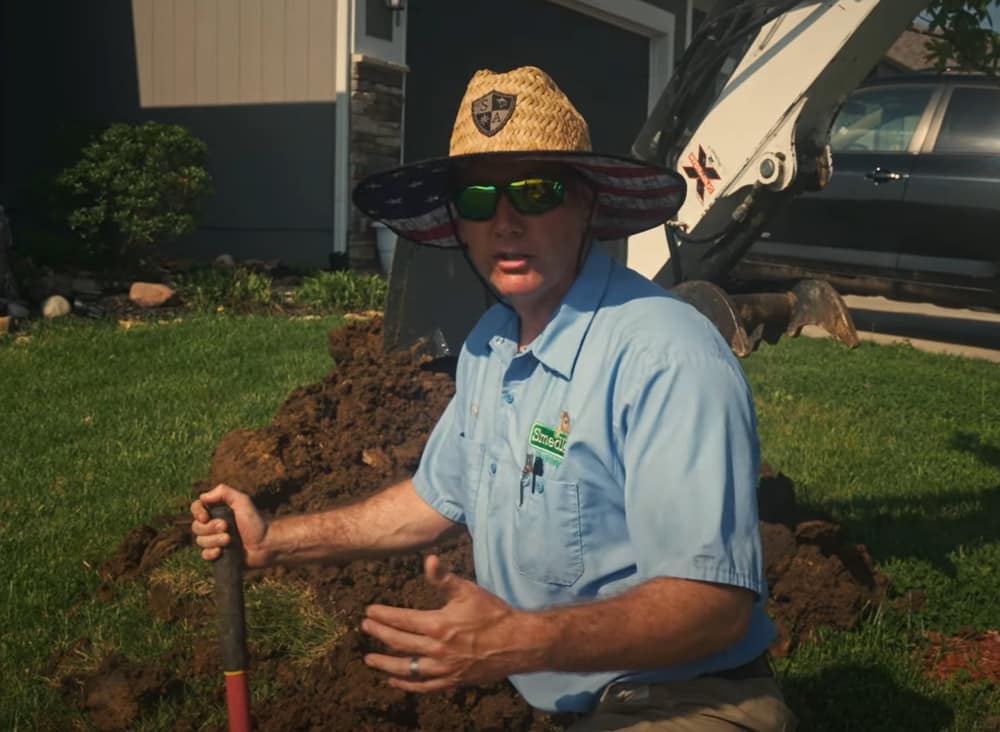
Join us in this video as we repair a leaking main water service line. This customer woke up to water spraying out of their lawn. They called the city and learned that the issue was with their main water service line. Then they called us! We came out the next morning prepared to get this fixed quickly and efficiently. We safely dug down to the water line using our Bobcat E35. We identified the issue and made the repair. We found a Sharkbite fitting that had failed on the plastic water service line. We replaced the Sharkbite fitting with a new Pack Joint fitting and restored water flow. We also had to work around their irrigation system and the backflow assembly that serves the irrigation system. Sharkbite fittings can be good in an emergency, but they shouldn’t be used underground if you can avoid it. Make sure to subscribe and hit the notification bell for more great videos from Smedley Plumbing.
Frequently Asked Questions
That strong, unpleasant odor usually means sewer gas is leaking from a damaged section of your drain pipes or existing pipe. In older homes, this is often tied to a broken sewer pipe or worn-out pipe materials.
Yes. A leaking pipe can release toxic gas like hydrogen sulfide and methane. If the damaged area is left untreated, the gas can build up quickly—especially in enclosed spaces. A licensed plumber can find and fix the problem safely.
Symptoms like dizziness or that classic sewer odor may mean high concentrations of gas. A professional plumber can test the air and check your drain pipes, often finding a damaged section or break that needs fast repair.
Plumbing fixtures like toilets and floor drains connect directly to your sewer system, so a broken sewer pipe or shifting pipe materials nearby can lead to gurgling sounds, water backup, or that bad smell.
Yes. A cracked wax ring creates a gap in the tight seal at the base of your toilet. In older homes, this small gap can let sewer gas in, and may be hiding deeper issues like a damaged section in the line.
Definitely. Long-term exposure to gases from a broken sewer pipe can cause real health problems. We often repair these by replacing the damaged area or using pipe lining to seal it off permanently.
A clog adds pressure to your drain pipes. Over time, that pressure can crack pipe materials or split a joint. If you notice this early, we might use temporary repairs, but a permanent repair like pipe bursting may be needed.
If your hot water smells like rotten eggs, the issue might be in the water heater anode rod. But if that checks out, we may inspect nearby drain pipes and vent lines, especially in older homes with aging pipe materials.
Yes. Leaking pipes release carbon dioxide along with other gases. If you’ve got an older existing pipe system, we may recommend pipe lining to reinforce it without replacing the whole line.
There can be. Methane gas from a broken sewer pipe is flammable, and when trapped indoors, it creates a real risk of fire. In those cases, we often recommend pipe bursting or permanent repair options to fully fix the issue.