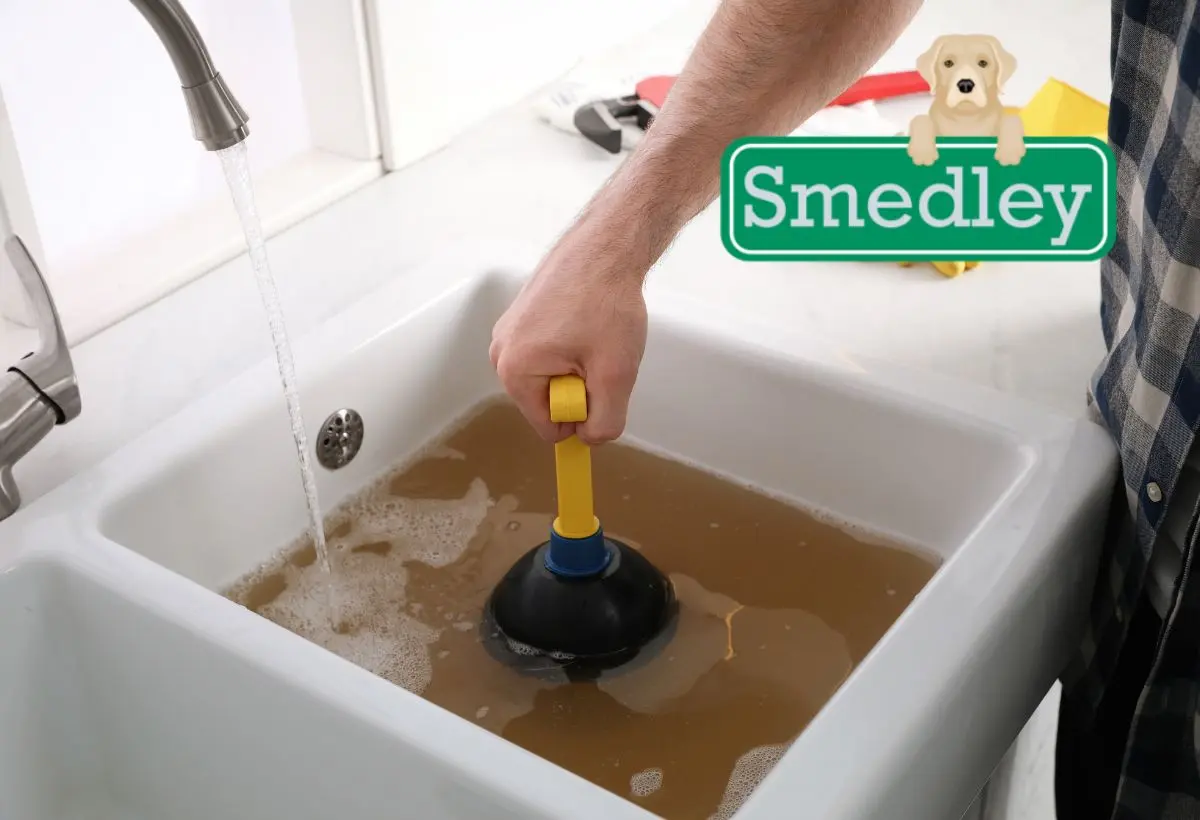
Clogged drains are one of the most common and frustrating plumbing issues for Kansas City homeowners. Whether it’s a slow-draining bathroom sink or water pooling around your feet in the shower, small blockages can quickly mess with your day-to-day routine.
Most people reach for store-bought chemical drain cleaners. But here’s the problem:
Those harsh formulas can corrode your pipes, pollute the water, and release fumes you don’t want in your home, especially in older houses with aging plumbing systems.
The good news:
You can clear most light clogs and keep your drains flowing using safe, natural ingredients you already have in your kitchen. These DIY methods are:
Safe for your pipes
Better for the environment
Cheap and easy to do on your own
In this guide, we’ll walk you through a few simple, proven ways to clean your drains naturally. We’ll also explain when it’s time to skip the DIY and bring in a licensed plumber, especially if the clog keeps coming back.
Signs Your Drain Needs Cleaning
Clogs don’t always happen suddenly. In a lot of Kansas City homes we’ve worked in—especially older ones around Waldo or Brookside—the signs start small and get worse over time.
The good news? Your drain will usually give you a few warnings before it backs up completely.
Here’s what to watch for:
1. Water Drains Slower Than Usual
If water pools around your feet in the shower or takes too long to clear from the sink, there’s likely a partial clog inside. It could be hair, grease, food particles, or even old soap scum slowing things down.
2. Gurgling Sounds
Hear bubbling or gurgling when water goes down the drain? That’s a sign air is getting trapped behind buildup. It’s trying to push through, and that noise means something’s in the way.
3. Funky Odors
Bad smells from your kitchen or bathroom drain usually mean rotting food or organic gunk stuck inside the pipe. Baking soda and vinegar can help, but sometimes you need a deeper clean.
4. Standing Water
If the water just sits there and won’t move at all? That’s a full blockage. Boiling water won’t fix it once the buildup has hardened inside the pipe—you’ll need something stronger.
5. Repeat Clogs
If you’re dealing with clogs every week, it’s not bad luck. It’s a sign your drain needs a real reset, not another quick fix.
Catch these signs early, and you can usually solve the issue with household products. Ignore them, and you’re looking at bigger problems (and bigger repair bills) down the line.
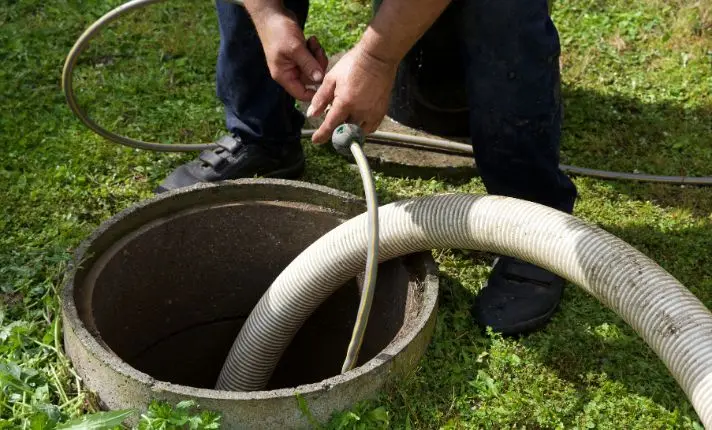
Basic Tools You Should Keep Around for Drain Cleaning
Before you try any of these natural methods, grab a few things from your kitchen or under the sink. You probably already have most of them, and they’re safe for your plumbing.
These tools and ingredients help loosen minor clogs, cut down on odor, and keep your drains running smoothly without calling a plumber.
Baking Soda
Great for breaking down grime and killing odors. When mixed with vinegar, it creates a fizzy reaction that helps clear pipes naturally.
White Vinegar
This one’s a must-have. It reacts with baking soda to bubble up and loosen buildup. It also helps disinfect and deodorize.
Boiling Water
Simple but effective. Pour it down the drain to help melt grease and flush out loose gunk. It’s the final step in almost every natural cleaning method.
Table Salt
Acts like a gentle scrubber inside the pipe. When paired with baking soda or boiling water, it helps dislodge small blockages.
Lemon Juice (Optional)
Want your drain to smell fresh afterward? Lemon juice adds a light scent and offers a touch of acidity for extra cleaning power.
Plunger or Drain Snake
Natural methods work best for light clogs. But if water still won’t move, a basic plunger or a small hand crank snake can help break up the blockage.
Keeping these on hand can save you from bigger issues later, especially in older Kansas City homes where buildup happens faster in aging pipes.
4 Natural Ways to Clean Your Drains (No Chemicals Needed)
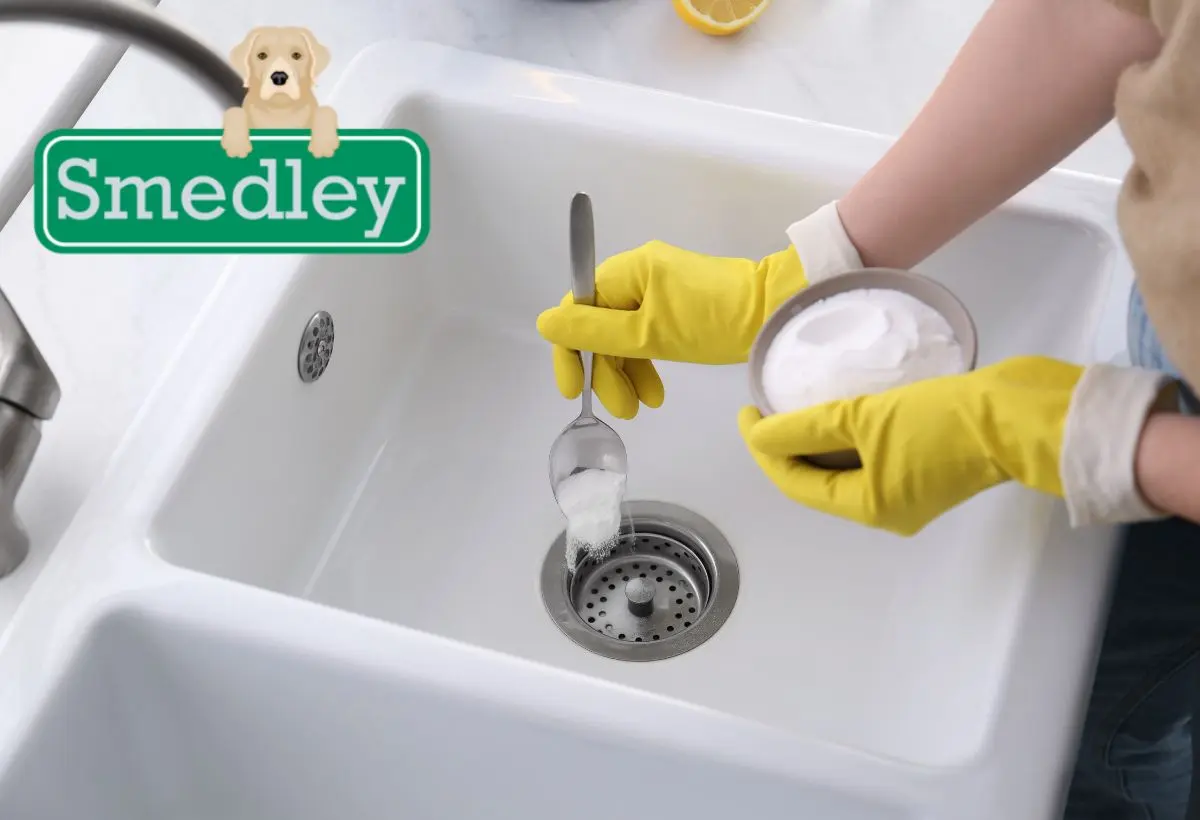
If your sink smells off or drains slower than it used to, don’t reach for harsh chemical cleaners just yet. These simple DIY combos use ingredients from your kitchen—and they’re safe for your pipes.
We recommend these natural drain-cleaning tricks to KC homeowners all the time. They’re great for light clogs, grease, and keeping odors away.
1. Baking Soda + Vinegar (Classic Combo)
This one’s a go-to for a reason. It fizzes, breaks down gunk, and gets rid of mild odors.
How to do it:
Pour ½ cup baking soda down the drain
Add 1 cup white vinegar
Cover the drain with a plug or towel to trap the reaction
Wait 15–30 minutes
Flush it with boiling water
💡 Tip: Use this once a month to keep your pipes clear, especially helpful for older homes in Midtown or Brookside.
2. Salt + Baking Soda (Overnight Fix)
Great for grease or dish soap scum in kitchen or bathroom drains.
How to do it:
Mix ½ cup of salt and ½ cup baking soda
Pour it into the drain
Let it sit overnight
In the morning, flush with boiling water
It works while you sleep. No harsh smells, no effort.
3. Boiling Water Flush (Fastest Fix)
Good after cooking or dishwashing. Melts light grease and clears surface-level buildup.
How to do it:
Boil water in a kettle or pot
Slowly pour it down the drain in 2–3 stages, pausing between each pour
That short wait gives the hot water time to work. You’d be surprised how much this helps after pasta night or frying anything.
4. Baking Soda + Lemon Juice (Fresh Smell Bonus)
Want the fizz of vinegar without the strong smell? Lemon juice gets the job done—and leaves a fresh scent behind.
How to do it:
Pour ½ cup baking soda down the drain
Add ½ cup lemon juice
Cover and wait 15–20 minutes
Rinse with boiling water
Perfect for kitchen sinks, especially garbage disposals.
🛠 These work best on mild clogs or as part of regular maintenance. If you’re still dealing with standing water or slow drains afterward, you might be dealing with something deeper, like a grease blockage or tree root issue.
We’ve helped dozens of Kansas City homeowners find and fix hidden drain problems without tearing up floors or guessing.
How to Prevent Future Clogs (So You Don’t Have to Keep Fixing Them)
Cleaning your drains helps, but preventing clogs in the first place is even better. Most of the backups we fix in Kansas City homes could’ve been avoided with a few simple habits.
Here’s how to keep things flowing:
1. Catch Hair and Food Before It Goes Down
Use a drain screen in your bathroom and kitchen sinks. It catches hair, food scraps, and soap scum before they get into your pipes.
Just remember to empty it regularly—especially if someone in the house has long hair.
2. Never Pour Grease Down the Drain
Grease turns solid once it cools. It coats your pipes and traps everything else.
Instead, pour it into an old can or jar, let it harden, and throw it in the trash. Easy win.
3. Keep Food Out of the Disposal (Yes, Even With a Disposal)
Garbage disposals aren’t magic.
Avoid putting these down the drain:
Coffee grounds
Rice and pasta (they swell and turn sticky)
Eggshells (they can clog and dull blades)
Scrape your plate into the trash or compost bin instead.
4. Run Hot Water After You Use the Sink
After washing dishes or brushing your teeth, run hot water for 10–15 seconds.
It helps flush away grease, soap, and toothpaste before they stick.
5. Clean Your Drains Once a Month
Use the baking soda + vinegar method monthly. It cuts down early buildup, keeps odors away, and extends the life of your plumbing—especially helpful in older KC homes with narrower pipes.
🛠 Still dealing with clogs even after all that?
We’ve worked with families all over Kansas City who’ve done everything right, but still had backups. In those cases, the issue is usually deeper in the line. That’s where a quick camera inspection or high-pressure clean can save you a big repair bill down the line.
Why Kansas City Homeowners Call Smedley Plumbing First
Sometimes a slow drain just needs baking soda and boiling water. But when it doesn’t, you need a plumber who shows up, tells the truth, and gets it done right.
We’ve been fixing clogged drains, broken pipes, and messy backups in Kansas City homes for over 20 years—especially in older neighborhoods like Brookside, Waldo, and the Northland.
We don’t send sales reps. We send real plumbers with the tools, training, and experience to solve the problem without the runaround.
Here’s why your neighbors trust us:
We’re Experienced—No Trainees on the Job
Every plumber on our team has logged 10,000+ hours in the field. That’s real-world experience with galvanized, copper, cast iron, PEX, and PVC systems. If it moves water, we’ve fixed it.
No Guessing. No Sales Talk. Just Clear Pricing
We tell you what it’ll cost before we start. No hourly “surprises,” no extra line items on the invoice. Just fair pricing and the truth about what needs to be done.
We Treat Your Home Like It’s Ours
We show up on time, wear shoe covers, and clean up when we’re done. We’ve left homes cleaner than we found them—and that’s the goal, every time.
The Fix Actually Fixes the Problem
We don’t patch. We fix. If your drain backs up again in six months, it won’t be from the same issue—we take care of the root cause so it doesn’t come back.
We’re Available When Others Aren’t
We’re open 7 days a week, from 8 AM to 5 PM, and we serve homes throughout the Kansas City area. Burst pipe on a Saturday? We’ve got you.
Ready to Fix That Drain for Good?
If your drain is still slow or backing up again, it’s time to call a pro.
At Smedley Plumbing, we’ve cleared thousands of drains across Kansas City, from Waldo to Brookside and everywhere in between. We’ll show up on time, explain the issue, and fix it the right way.
📞 Call (816) 763-3539