Sewer Smells Aren’t Just Annoying, They’re a Warning Sign
If you’ve noticed a strong sewer smell in your home, don’t ignore it. That odor isn’t just unpleasant, it often means something in your plumbing system isn’t sealed, vented, or draining the way it should. And the longer it lingers, the more risk it carries.
At Smedley Plumbing, we’ve helped homeowners across Kansas City deal with sewer gas problems the right way by finding the exact source and fixing it, not just covering it up. One of the most accurate tools we use to trace those hidden issues is a plumbing smoke test.
It’s quick, non-invasive, and shows us exactly where sewer gas is escaping whether it’s a cracked pipe behind the wall or a dry trap in an unused drain.
In this post, we’ll walk you through what a smoke test is, why it works, and when it’s the right solution for your home.
What is a Sewer Smoke Test?
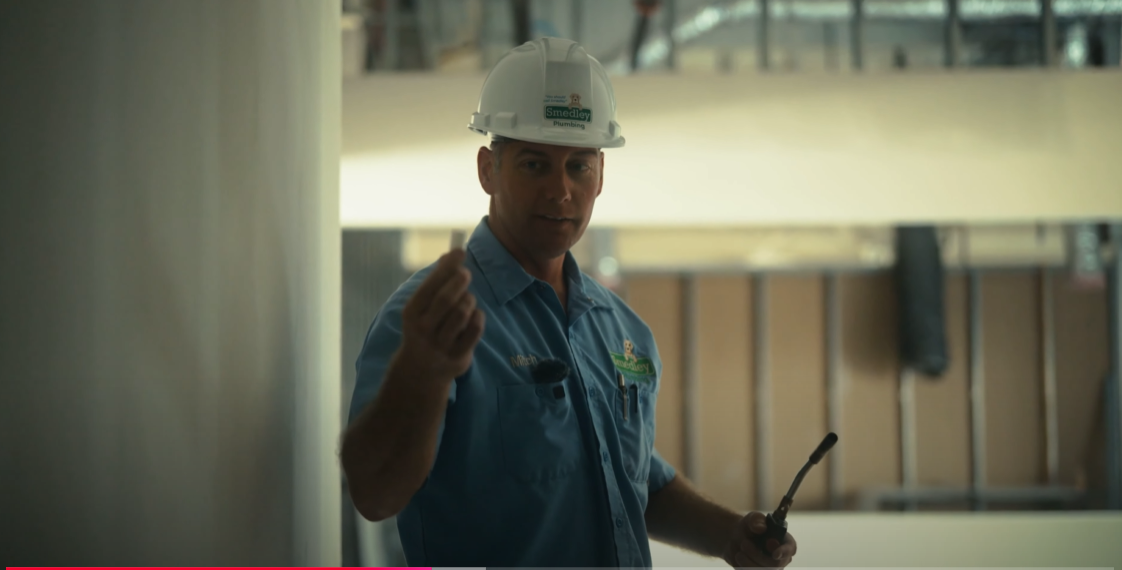
It is an effective method of testing that plumbing companies and their plumbers use to identify a sewer gas leak. Smoke testing uses smoke and air to flow through a plumbing system to identify any leaks or broken pipes.
Smoke testing work begins with a professional plumber sealing up most of the exposed floor drains, sewer pipes, etc. After the drains have been sealed, the plumber will then use a connection to the main sewer line, where an attached smoke blower can be placed. Once secured, the smoke blower will blow harmless smoke from a smoke machine or smoke canister throughout the sewer main line. As the smoke is being displaced throughout the system, the smoke will be pushed with enough force that will allow the smoke to be released from the problem area. The plumber will then monitor all of the sealed drains and pipes and look for any smoke release, bubbling of the seal, or other identifiers.
Why Use a Smoke Test for Sewer Odors?
Sewer gas shouldn’t be in your home, period. If you’re smelling it, something’s off. The challenge is figuring out where it’s coming from, especially when the system looks fine on the surface.
That’s where a smoke test comes in. Instead of guessing or cutting into walls, we use smoke to reveal:
Cracked or broken drain lines
Dry or missing traps under sinks, tubs, or floor drains
Disconnected or damaged vent pipes in walls or attics
Loose fittings or gaps behind fixtures
Underground breaks in exterior lines or cleanouts
The smoke moves like sewer gas would but it’s visible. So when it escapes, we know exactly where the problem is. No guesswork, no delay.
For homes in Kansas City, especially older ones or those with past remodels, venting issues are common. Smoke testing gives us a clear answer and helps us fix the root of the problem fast.
When Might You Need a Smoke Test?
Here are a few common signs that it might be time for a smoke test:
Strange Sewer Smells: If you’re getting odd smells in or around your home, it could be from leaks or major issues in the sewer line.
Recurring Drain Problems: If your drains are slow or clogging up frequently, there may be a hidden issue.
Wet Spots or Sinkholes in Your Yard: These can mean a sewer line leak or break underground.
Unexplained Spike in Water Bills: If you’re suddenly paying more for water, a hidden leak may be to blame.
What a Plumbing Smoke Test Detects
A smoke test can be used to identify several problem areas/plumbing system issues that don’t require immediate attention. Smoke testing can also be utilized in discovering issues with a septic tank, water tank, or even HVAC system leaks. Specific areas a smoke test can detect include:
Gas smells
Gas line issues
Septic tank smells
Faulty Toilet/Tub installations
Cracked/broken sewer pipes
Dry traps
Defective p traps
Discarded floor drains
Water leaks/pipe leaks
Ask a plumber for a smoke test today if you are experiencing any of the above issues! Using this cost-effective and efficient method in your system is best before tearing up any parts of your home or building.
Preparing for Test
Before we arrive, there are a few things you can do to prepare for the first step:
Turn Off HVAC Systems: This prevents smoke from circulating through your home and keeps it within the plumbing lines.
Open a Few Windows: This will help any residual smoke clear out quickly.
Expect a Thorough Inspection: Our technician may need access to different areas in your home, so be prepared for a comprehensive inspection.
What to Expect During a Smoke Test With Smedley Plumbing
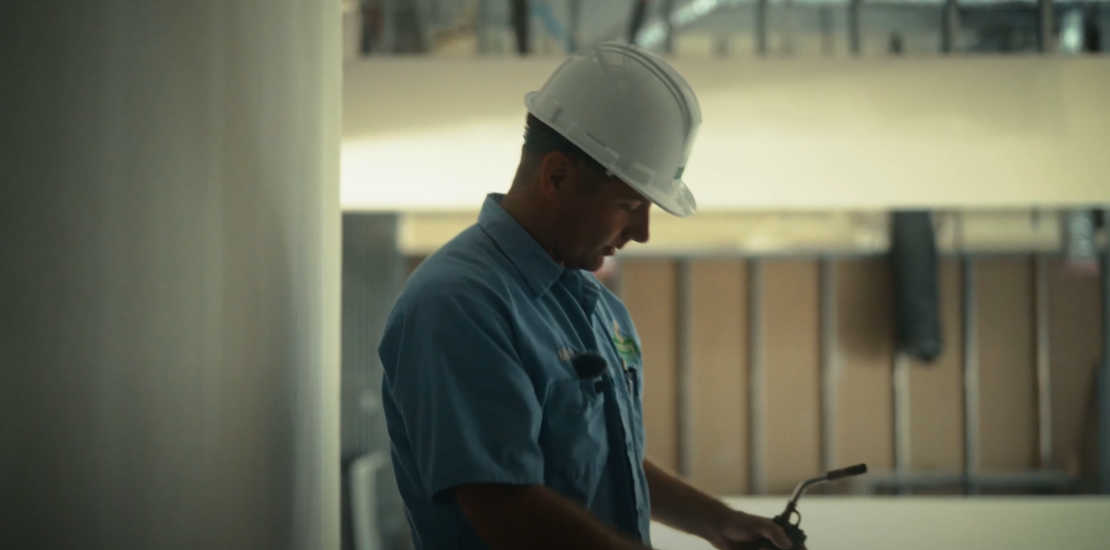
When we run a smoke test, our goal is to find the source of the smell without causing a mess or tearing into anything that doesn’t need it.
Here’s how it works:
We seal off parts of your drain and vent system.
This keeps the smoke contained and forces it through the full system just like sewer gas would naturally move.
We connect a special blower to your cleanout or roof vent.
This machine gently pushes safe, odorless smoke through the pipes.
We watch for leaks.
Wherever there’s a crack, missing seal, or faulty connection, the smoke will escape showing us exactly where the problem is.
We show you what we find.
You’ll see the leak locations, and we’ll explain what’s causing the issue and what can be done to fix it.
Most tests take about an hour or less. No damage to your home, no lingering smell, and no guessing what comes next.
Is Sewer Gas Dangerous?
Yes, sewer gas isn’t just a bad smell. It can carry real health and safety risks, especially if the leak goes unchecked.
In small amounts, sewer gas can cause:
Headaches
Fatigue
Nausea
Irritation to the eyes and throat
Over time or in larger concentrations, it can lead to more serious problems. Hydrogen sulfide, the main gas in sewer odors is toxic in high doses. Plus, the presence of gas can indicate broken or leaking pipes, which may lead to water damage, mold, or even structural issues if left untreated.
If you’re regularly smelling sewer gas in your home, it’s important to act quickly. A smoke test can help identify the source, so the issue gets fixed before it turns into something worse.
Common Issues Uncovered During Smoke Tests
Here are a few problems we often find using smoke testing:
Leaking Pipes: Smoke escaping from pipes or joints is a clear sign of a crack or loose connection.
Vent Blockages: If smoke doesn’t exit through the vent, it might mean there’s a blockage.
Unsealed Traps: If smoke comes up through drains, it might mean that the traps aren’t sealed properly, allowing sewer gases to leak inside.
Where We Find Problems Most Often
Smoke testing can reveal issues in these areas:
Vent Pipes: Blocked or disconnected vents can trap sewer gases.
Drain Pipes: Cracks or leaks in drain pipes can cause smoke to appear in bathrooms, kitchens, or other rooms.
Basement and Crawlspace Plumbing: Leaks in these hidden areas are often missed but can lead to strange odors or other issues.
Additional Solutions After Smoke Testing Process
Once we’ve located the issue, we may suggest additional steps to fully solve the problem, such as:
Pipe Repairs or Resealing: Fixing leaks and resealing traps to prevent sewer gases from escaping.
Routine Maintenance: Regular check-ups on your plumbing can help you avoid future issues.
Upgrading Vents or Traps: For older systems, we may recommend upgrades for better ventilation and odor control.
Is Smoke Testing Safe?
Yes, it’s completely safe! Here’s what you need to know:
Non-Toxic Smoke: The smoke we use won’t harm you, your family, or pets.
Temporary Odor: You might notice a slight smell during the test, but it clears out quickly.
Expert Technicians: Our team is fully trained to perform the test accurately and safely.
DIY vs. Professional Smoke Testing
Feature | DIY Smoke Test | Professional Smoke Test (Smedley Plumbing) |
|---|---|---|
System Coverage | Often incomplete or uneven | Full system coverage, including vents and drains |
Smoke Pressure | Low pressure, may miss smaller leaks | Controlled airflow for accurate, consistent testing |
Leak Detection Accuracy | Can miss slow leaks or minor cracks | Detects even small leaks or hidden vent issues |
Seal Quality | Difficult to seal off system properly | Proper system sealing done by trained technicians |
Equipment | Basic, limited tools | Commercial-grade blower and smoke formula |
Results & Next Steps | No guidance or explanation | We show you what we find and explain the next step |
Cleanup or Damage | Risk of mess or confusion | Clean, safe, and non-invasive process |
Fixes Included | No repair support | Repair recommendations with no pressure |
Still Smelling Sewer Gas? Let’s Find the Source—Fast.
If you’re dealing with sewer odors in your Kansas City home, don’t wait for it to get worse. Our smoke testing service pinpoints the problem without guesswork—and we’ll walk you through the fix step by step.
Call Smedley Plumbing at (816) 763-3539 or schedule your visit online at smedleyplumbing.com. We’ll show up on time, explain what we find, and get it done right.