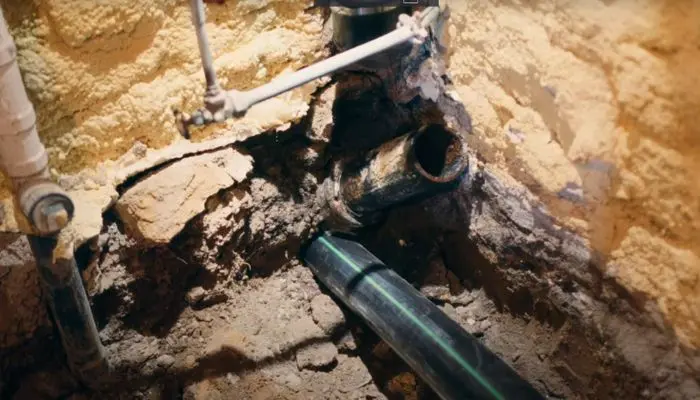
Hello there, Kansas City residents! Have you ever thought about what’s happening under your feet? You might think it’s just dirt and rocks down there, but that’s not all. There’s a world of intricate pipes running under the floor of your home or office that make up your home’s plumbing system. These lines, especially the main sewer line, play a central role in keeping your daily life running smoothly. Taking care of them from time to time can save you lots of trouble – and on the flip side, if you neglect them, they can lead to some nasty surprises. That’s why, in this blog post, we’re diving deep into why regular sewer line inspections are not just good practices but can potentially have a huge upside down the road.
Let’s Start with a Tour of Sewer Lines…
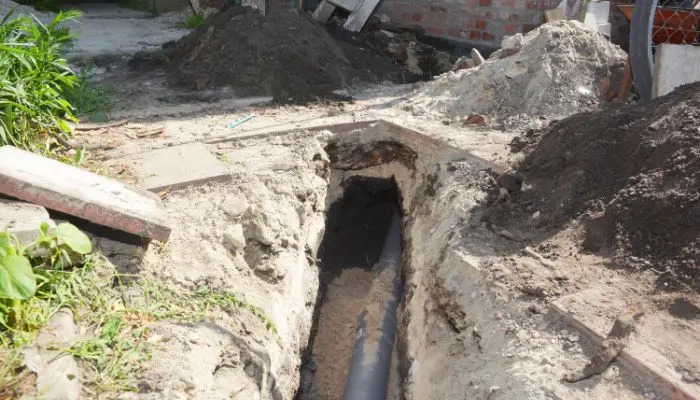
Let’s delve a bit further into what sewer lines actually are. These underground highways serve to channel wastewater away from your bathroom, kitchen, laundry room, and other parts of your house to either city sewer systems or private septic tanks. They make up an essential infrastructure that often goes ignored until an issue occurs.
Sewer lines can be constructed out of many materials, each offering its own set of advantages and drawbacks. PVC pipes, for instance, are known for being highly corrosion resistant while remaining relatively brittle due to age; cast iron is more resilient against corrosion but over time may corrode if exposed to certain chemicals or high moisture levels, while clay pipes – once commonplace in older installations – may crack due to root intrusion or shifting soil conditions.
Each material comes with its own lifespan that goes down with environmental stresses and rough usage patterns. Root intrusion is one of the primary concerns with clay and older cast iron pipes; tree roots seek water within and seek cracks or blockages. Corrosion, on the other hand, weakens metal pipes, leaving leaks or complete failure possible, while blockages from grease build-up, toiletry product accumulations, or yard debris may lead to backups and overflows within.
Understanding these factors is paramount not only for keeping drain lines and your plumbing functioning smoothly but also for planning upgrades or repairs before any serious problems emerge. Regular inspections can assist in identifying which material type and condition your sewer pipe uses and give a picture of its overall status, helping guide on best maintenance practices or highlight your sewer line replacement options to avoid potential disasters in future years.
The Risks of Neglected Sewer Lines
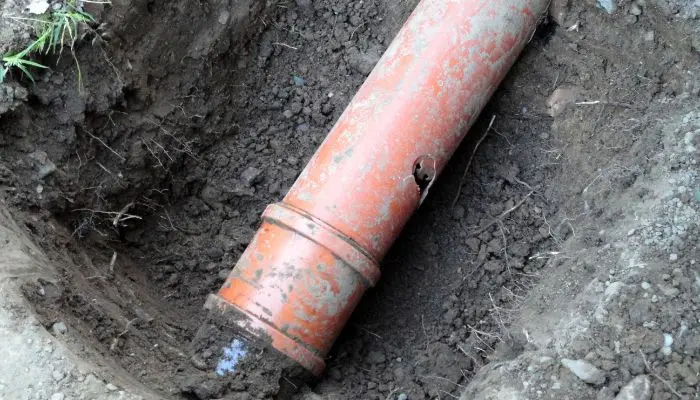
Failing to maintain your sewer lines can result in costly problems that quickly escalate in severity and inconvenience. While initial signs might seem subtle, like slower than usual drainage or hearing toilet gurgle occasionally, they quickly escalate into much bigger concerns if blocked sewer lines lead to backflow into your home, potentially creating health risks and water damage risks for yourself and family members alike.
Health Hazards
Backflow of sewage into your home can be more than an eyesore; it poses serious health hazards to both you and your family, which makes calling professional sanitation services to remove all contaminates from living spaces necessary. The cleanup from such incidents is both distressful and expensive.
Damage to Your Property
Unaddressed issues on your property could put the sewer line’s structural integrity at risk too; older pipes made of materials like clay or cast iron may collapse under pressure or wear and tear over time, leading to sinkholes causing costly property repairs and lasting structural damage.
To reduce these risks, it’s crucial to not only monitor for signs of potential problems but also carry out routine inspections and maintenance of your home’s sewer system. Being proactive in this regard could save both stress and money during unexpected sewer repairs or plumbing disasters.
Benefits of Regular Inspections
Understanding the value of regular inspections can make all the difference in saving you both money and protecting your family’s health. Let’s examine why it makes economic and practical sense to conduct periodic sewer line inspections.
Preventive Measures
Consider regular sewer line inspections an integral component of home healthcare. Just as regular health check-ups help detect issues before they escalate into major conditions, main sewer line inspections allow homeowners to detect small problems early before they become major disruptions – such as root intrusion or cracks that require repair. These proactive inspections ensure integrity is preserved while quickly and efficiently dealing with minor issues that might otherwise lead to sudden breakdowns of sewer line components.
Cost Savings
From an economic viewpoint, regular inspections are a smart financial move. Addressing minor problems like leaks or small blockages is far cheaper than overhauling an entire sewer system that has suffered due to neglect. In fact, a sewer line camera inspection typically costs between $250 and $500—a small price to pay compared to potential repair bills for major issues. This investment in routine inspections allows homeowners to avoid costly surprises by making sure their plumbing system remains efficient.
Health and Safety
A neglected sewer line can have serious implications for our health. A compromised line could let sewage into your environment, potentially polluting groundwater and soil with potentially toxic bacteria and parasites that pose health threats – with regular inspections to keep living environments sanitary and safe and reduce disease outbreaks.
What Happens During a Sewer Line Inspection?
Are you curious about what goes into sewer line inspections? Take a look at what it entails. This process of inspecting sewer lines for health can be both fascinating and vital to maintaining its functionality in your home’s plumbing system. We use advanced technological tools, specifically high-resolution video cameras. These special cameras, integral for sewer camera inspections, are designed to navigate through pipes while taking detailed camera images from inside of them to capture as accurately an image possible of what lies within.
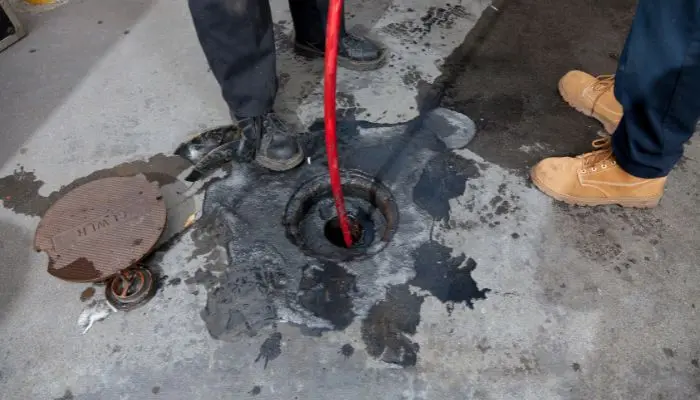
These cameras are carefully fed through your sewer lines through existing access points known as cleanouts, feeding real-time video feedback to the technician monitoring this process and sending real-time video feed. As they navigate their way along their course, this video offers real-time visual insight into the pipes and their condition, showing any wear, damage, or blockages immediately. Despite its thoroughness, a sewer line inspection is efficient and usually takes only 30 to 60 minutes for a professional to complete.
Real-time camera inspection feedback can provide invaluable information for the early identification of issues that would otherwise remain invisible without excavation. From minor cracks that might become bigger breaks to blockages caused by tree roots or accumulation, even irregularities like pipe sagging—all can be identified accurately by this sewer scope inspection system and addressed early to reduce more serious consequences such as complete pipe failures and costly water damages on the property, all while preventing unnecessary excavations.
With our sewer inspection, we determine whether your pipe’s in good shape. From this sewer video inspection, comes an individualized report with recommendations for repairs or maintenance work necessary for its longevity and functionality—this allows us to maintain efficient plumbing while preventing unexpected emergencies down the line.
When to Schedule Sewer Line Inspections
Scheduling sewer line inspections is vital in keeping your plumbing running at maximum efficiency and lasting as long as possible. In general, sewer inspections should occur every 18-22 months for optimal performance of the plumbing system at home; however, this schedule could change based on various circumstances affecting it.
Age plays an essential part in plumbing system management; older systems that have not been updated or replaced in decades typically need more frequent monitoring due to deterioration and other issues. Furthermore, trees on your property with extensive root systems could impact sewer pipes by leading to blockages or damages, which need close monitoring for possible blockages or damages that necessitate greater monitoring efforts.
However, your home’s plumbing usage will ultimately determine the necessity of sewer camera inspection. More water usage increases wear and tear on sewer pipes and may increase the chance of problems emerging. Scheduled sewer scope inspections are necessary; however, there may also be telltale signs that indicate immediate inspection needs—for instance, if drain lines stop functioning as effectively, unusual or foul odors come emanating from them, or frequent clogs become an issue, all are indicators that an immediate sewer scope inspection might be warranted.
Choosing the Right Professionals for the Job
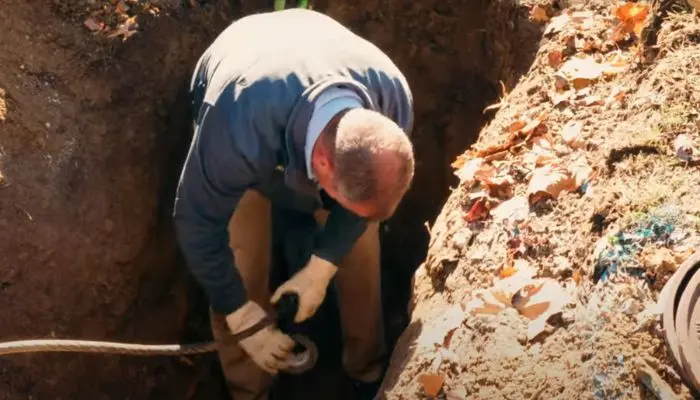
Selecting the right team of professionals for the inspection of these sewer lines is of vital importance since not every plumber possesses the specialized skills or equipment needed for such work. When searching for someone to inspect your sewer lines, look for a team that is not only licensed but has vast experience, specifically with sewer inspection and repair. This team must understand all the complexities that go into diagnosing and fixing issues in sewer systems.
Make sure that the professional you select has access to advanced tools, like high-resolution sewer cameras and diagnostic instruments, that enable accurate identification and assessment of issues within sewer lines. An individual who invests in such tools shows they’re committed to offering thorough services with precision.
Reputation should also be a consideration, so search online platforms, request references from friends, or consult local trade associations in your search for an exemplary plumber specializing in sewer systems.
Wrap-Up: Protect Your Home with Regular Sewer Inspections
Maintenance of sewer lines goes beyond simply preventing backups or unpleasant odors; it also ensures the health and integrity of your house. Instead of waiting until there are obvious signs of trouble before taking action, be proactive by setting regular sewer inspection dates with professionals specialized in this task. By being proactive, you’ll avoid emergency repair bills altogether, as well as the stress associated with emergency repairs. Your daily comfort rests upon the health of your plumbing system, so take steps to safeguard it by scheduling regular professional inspections that will guarantee a safer, pleasant living space!
Need Sewer System Maintenance in Kansas City?
If you’re in the Kansas City area and think your sewer system might need servicing or simply want to stay proactive, give us a call at Call Smedley. Our expert team, equipped with state-of-the-art tools, will help keep your home comfortable and safe.