
Your home’s water pipes are your plumbing system’s veins. Taking steps to extend the life of your pipes is the most effective approach to ensure the entire system operates more efficiently and lasts longer. You use the pipes in your home from the moment you shower in the morning to when you brush your teeth at night. As a result, they will inevitably endure some wear and tear over time. Fortunately, by following a few basic procedures, you can safeguard your water pipes, extend their life, and help prevent frozen pipes and flooded basements or crawl spaces when it thaws.
Frozen pipes can burst, leading to flooding, water damage, and a whole lot of costly repairs. When water freezes, it expands, and this pressure can easily crack even the toughest pipes. Once a pipe bursts, the damage can spread fast. But with a few preventive steps, you can keep your pipes safe and avoid a winter plumbing nightmare.
Why It Happens
When water inside pipes freezes, it expands. This can create pressure that has nowhere to go, so it pushes against the walls of the pipe until something gives.
Pipes That Are Most Likely to Freeze
Pipes in unheated spaces—think garages, basements, crawl spaces, and exterior walls—are especially vulnerable. Outdoor spigots and hoses are also at high risk. And in older homes, pipes might be even more prone to freezing if they aren’t insulated properly.
When the weather is cold, it is important to ensure that all outdoor lines, including sprinkler systems, are shut off and adequately drained. When pipes freeze, it is sometimes because it wasn’t winterized properly.
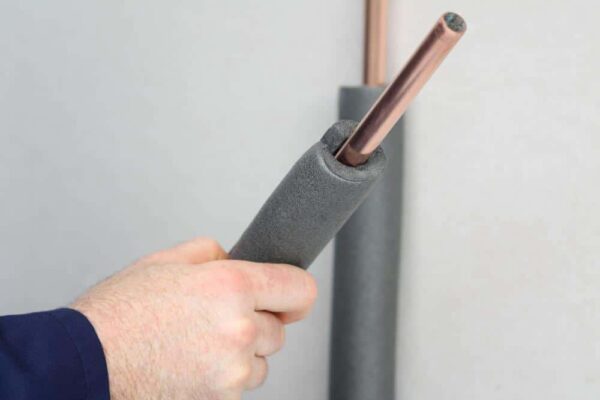
You may purchase pipe insulation equipment, such as pipe sleeves, to keep your external pipes safer from freezing temperatures. These devices are affordable, especially compared to repairing a broken pipe, or spigot that your garden hoses attach to, or outside faucets.
If you plan to take an extended vacation during the winter months, leave your heat on and set your thermostat at a minimum of 55 degrees to prevent your house and pipes from becoming too chilly. Opening your kitchen cabinet doors with the heat on can help the warm air reach the water pipes, especially if it’s on an exterior wall, where uninsulated pipes are at risk.
Allow faucets to have a slow water drip – this very small amount of running water through the faucet can help to keep the water from freezing in an unheated area in a cold snap. If the cold winter weather becomes freezing and you’re concerned about exposed water supply lines or lines in exterior walls, you may prefer to leave faucets linked to those lines flowing at a trickle until higher temperatures return. Even a slight increase in flow might make it difficult for your plumbing pipes to freeze during cold weather, whether an outside unit, kitchen sink, garage sink, etc.
You can avoid frozen pipes by contacting a professional plumber, like Smedley Plumbing, to thoroughly inspect your home’s plumbing system. At Smedley Plumbing, our expert plumbers have the experience and skills necessary to detect weak points in your water system and take preventative actions to avoid problems.
Additionally, our experts will inspect the unheated sections of your water lines. We can also insulate both cold and hot water lines in areas such as the basement, garage, and under cabinets in the bathroom and kitchen if necessary. When it comes to plumbing, you should call Smedley. We fix issues when they arise, but we will also put preventative measures in place, such as pipe sleeves and insulation or heat tape and heat cable, to insulate exposed water pipes. This helps to ensure that your pipes are protected during cold spells.
Recognize the Signs
If a faucet won’t run or only a trickle of water comes out, you might have a frozen pipe. You might also see frost on the pipe or smell an odd odor coming from the drain.
Thawing Pipes Safely
To thaw a frozen pipe, you can try a hair dryer, heating pad, or warm towels. Start near the faucet and work your way along the pipe. But never use open flames—they’re a fire hazard and can damage the pipe.
Call a Plumber When in Doubt
If the frozen pipe is hard to reach, or if you think the pipe might have burst, it’s time to call in a pro. Our plumbers can assess the situation, fix any damage, and help prevent future freezes.
We do NOT recommend anyone other than a licensed plumber using a blowtorch or open flame of any kind on frozen pipes.
Pipe Heating Cables
Heating cables wrap around vulnerable pipes and provide a little extra warmth when the temperatures drop. If you have trouble spots, this is a great long-term solution. Just make sure to follow the safety instructions or get a professional to help.
Frost-Proof Outdoor Faucets
Frost-proof faucets are a smart upgrade for any home. They’re built to handle freezing temperatures and prevent pipes from freezing and cracking in winter. If you live in a cold area, consider this upgrade for peace of mind.
Improve Insulation in Your Home
Adding insulation in places like the attic, basement, and crawl spaces helps keep your entire home warmer. Better insulation not only protects pipes but also helps with energy efficiency, which is a win-win.
Reduce Your Water Pressure
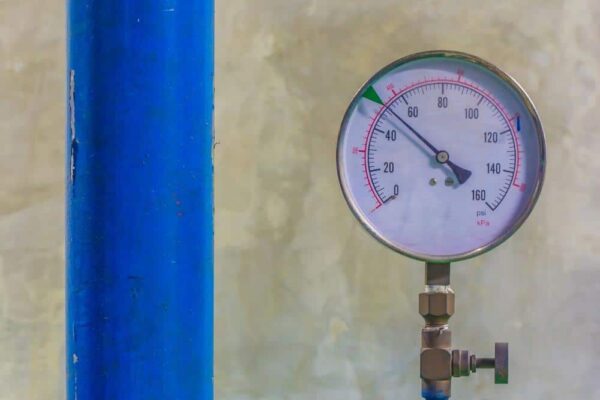
The water pressure in your home should not exceed 85 PSI (pounds per square inch.) If the pressure is high, it can accelerate the wear and tear on your pipes and connections, possibly causing them to rupture. Maintain a water pressure gauge on your system to avoid this, and if your water pressure remains excessive even after you adjust it, give us a call.
Clean Your Drains Properly
Routine drain cleaning is the most efficient way to remove muck and obstructions from your lines and extend their lives.
Since clogging in your drains can result in leaking or broken pipes, it is important to clean your pipes at least once or twice a year. While you may be tempted to use a chemical drain cleaner to do this, you should avoid using any store-bought goods since over-the-counter drain cleaners can include toxic chemicals that may cause your pipes to deteriorate quickly.
Address Leaks Immediately

While you may believe a minor leak is insignificant, even small leaks may become a significant problem. If you hear a drip-drip coming from your pipes, contact Smedley Plumbing immediately for water leak detection to avoid future repiping.
Avoid Flushing Solid Materials
While most people are aware that they should not flush solid materials down the toilet, there are still a number of products that are surprisingly easy to flush. Wet wipes, for example, should never be flushed regardless of the label. These things frequently cause blockages in your pipes, forcing you to pay for burst pipe repair.
Slow drains can be a symptom of most of the issues mentioned above and should always be addressed immediately. If your drains are running slowly, there is a significant probability you will have a blockage. If left untreated for an extended period, any blockage can create problems. We recommend that you first attempt to plunge or snake them out, and if the problem continues, contact our plumbing professionals. Our experts can resolve clogged drains, blockages, and any other plumbing issues you may have, ensuring that your pipes continue to function effectively for as long as possible.
At Smedley Plumbing, we take the necessary precautions to keep your water pipes from freezing. Protecting your water pipes can save you hundreds, if not thousands, of dollars in repairs. Contact us for more information about our services or to schedule an appointment! We believe you and your home deserve the best plumbing services available from experts you can trust.