Water heater lifespan is tricky to answer, as it depends on the type of heating system you have.
A standard 40-gallon storage tank heater lasts between 8 to 12 years, tankless water heaters last around 15 to 20 years, and ground source heat pumps have the longest lifespan of up to 50 years.
Knowing how long your water heater will last and how to maintain it properly can prevent unexpected breakdowns and costly repairs.
This comprehensive guide explores the factors that impact their longevity and will equip you with actionable tips to extend the lifespan of your water heaters. By taking control of your water heater’s health, you can enjoy consistent hot water for many years to come.
Average Lifespan of Different Types of Water Heaters
Understanding the average lifespan of different water heater models helps you plan for replacements and avoid inconvenient breakdowns.
There are three main types of water heaters, each with its own set of advantages (and lifespans).
Let’s take a closer look:
1. Storage Tank Water Heaters
Also known as conventional tank water heaters, these traditional heating machines feature a large storage tank that continuously heats and stores hot water for later use. They’re ideal for homes with a moderate hot water demand as they keep water temperature consistent throughout the day. However, they do take up a fair amount of space in your home.
Most hot water heaters – including storage tank units – are available in two fuel types:
- Gas – typically 80% – 90% energy efficient
- Rely on natural or propane gas (i.e. fossil fuels)
- Electric – generally have 90%+ energy efficiency ratings
- The most popular choice for U.S. households
Traditional storage tank gas water heaters last anywhere between 8 and 12 years with proper maintenance, while electric storage heaters can last 10 to 15 years.
2. Tankless Water Heaters
Tankless heaters offer an uninterrupted hot water solution, drawing heat directly from the mains water supply. This eliminates the need for a separate storage unit, making these space-savvy options ideal for smaller homes.
While the installation cost of a tankless water heater is higher than storage tank heaters, they do last slightly longer when compared to their bulkier counterparts – ranging between 15 and 20 years.
3. Heat Pump Water Heaters
Heat pump water heaters, also called hybrid electric water heaters, are the most carbon-friendly water heating systems. They do not generate heat, instead, they use electricity to transfer heat from one area (e.g. outdoors) to another (e.g. indoors). This is done using a compressor and gas refrigerant – similar to how our refrigerators work.
While they significantly reduce carbon emissions and have longer lifespans, they are priced significantly higher than other water heaters on our list.
There are two main types of heat pumps, namely:
- Air source heat pumps (ASHPs)
- Lifespan = roughly 15 years
- Installation cost = between $3,500 and $7,500
- Energy efficiency = 250% – 300%
- Ground source heat pumps (GSHPs)
- Lifespan = between 25 and 50 years
- Installation cost = between $15,000 and $40,000
- Energy efficiency = more efficient than ASHPs, averaging at 320%
Factors Affecting Your Water Heater’s Lifespan
A water heater’s lifespan is determined by several factors. These include your local water quality, installation, and how often maintenance is done. To understand how long water heaters will serve your home, you need to consider these key areas:
Water Quality
Hard water areas with high calcium and magnesium mineral buildup impact the longevity of water heaters. These non-carbonate substances – as well as barium, aluminum, strontium, iron, and zinc – calcify and corrode the hot water heater much quicker when compared to soft water areas.
The mineral deposits and sediment buildup act as inhibitors and restrict the flow of water through your heater, causing it to work overtime to distribute hot water effectively.
We’ve put together a quick reference list for hard water areas in the U.S.:
- Kansas City, MO
- San Antonio, TN
- Tampa, FL
- Minneapolis, MN
- Indianapolis, IN
- San Jose, CA
- Las Vegas, NV
Find out more about the water quality in your area by referring to your local county Environmental Health Department.
Top tip: Consider flushing your water heater annually to remove sediment buildup. Alternatively, use central heating inhibitors (cleaners) or magnetic filters to catch suspended debris before they clog your system.
Installation and Location
Improper installation can lead to water leaks and other complicated issues, such as safety hazards and reduced efficiency. Always ensure professional plumbers install your new heater or water heater replacement. Knowing that vital heater components, like the heating element and drainage valves, are fitted correctly gives you peace of mind.
The area you choose to have your water heater installed also plays a major role, as damp basements or garages can accelerate mold growth, rust, and corrosion. Aim for well-ventilated, dry locations for optimal performance and longevity.
Energy Efficiency
Most appliances, including hot water heaters, are given an Energy Factor (EF) rating. This shows how efficiently they supply hot water in relation to energy/fuel consumption.
Energy-efficient water heaters are designed to consume less energy, resulting in less wear and tear on the unit over time. This means the higher the EF ratings, the more efficient it is.
They also operate at lower, more consistent temperatures, heating water steadily as opposed to running full tilt. This reduces the workload and ‘stress’ on internal components like heating elements and thermostats, potentially extending their lifespan.
As a guideline, an electric water heater is much more energy efficient when compared to a gas water heater. This is because they have 90%+ EF ratings, meaning they use less energy to heat water. Gas water heaters “lose” efficiency when byproduct gases (e.g. carbon monoxide, nitrogen oxide) are released during the combustion process.
Maintenance Frequency
Regular maintenance is crucial for extending the life expectancy of your water heater and preventing premature water heater replacement.
Things like annual system flushes and routine maintenance checkups by professional plumbers are key to keeping your water heater in tip-top condition.
Signs It’s Time to Replace Your Water Heater
Water heaters don’t last forever and you’ll likely have to replace your water heater at least once in your lifetime.
Here are a few telltale signs that your hot water heater is on its last legs and a replacement is due:
Age of the Unit
As mentioned, the average lifespan of a water heater ranges between 8 and 50 years, depending on the make and model you choose. It’s generally advised to replace your water heater when your unit reaches these age milestones.
As a recap:
- Water tank heaters
- Gas = 8 – 12 years
- Electric = 10 – 15 years
- Tankless heater = 15 – 20 years
- Heat pumps
- ASHP = 15 years
- GSHP = 25 – 50 years
Performance Issues
These red flags indicate problems with your existing water heater. While not every warning sign means your heater needs replacing, it could reveal water heater repair is needed.
Either way, these signs show something is definitely wrong:
- Inconsistent hot water: Fluctuating temperatures show your heater is not functioning correctly, often resulting in the release of lukewarm or cold water.
- Longer heating time: If your water heater takes longer than normal to reach the desired temperature, it’s struggling to perform efficiently.
- Water heater leaking: Leaks are a serious concern and signify internal water heater tank corrosion, faulty mechanisms, or loose connections. Water heater leaks can pose safety risks such as electrical short-circuits or potential fires.
- Strange noises: Weird sounds like bubbling, banging, or gurgling from the water heater unit signal internal issues, such as air blockages or loose components, and need professional intervention.
Visible Wear and Tear
- Rusty patches or rusty water suggest corrosion has set in and is a significant concern.
- Cracks on the water tank’s exterior are a major safety concern and need immediate replacement.
- Sediment buildup can cause your water heater to leak around the pressure relief valve due to excessive buildup within the tank.
Extending the Life of Your Water Heater
Proactive measures significantly extend your water heater unit’s lifespan and ensure a steady flow of hot water for years to come. In this section, we’ll give you actionable maintenance tips for keeping your water heater (and wallet) happy and healthy!
Regular Maintenance Tips
- Annual flushing: Drain your water heater’s tank annually to remove sediment buildup that can reduce efficiency and shorten its lifespan. Follow the manufacturer’s instructions or consult a plumber for proper flushing techniques.
- Anode rod replacement: The anode rod attracts corrosion to protect the tank. Replace it every 3 to 5 years (or more frequently in areas with hard water) to maintain its protective function.
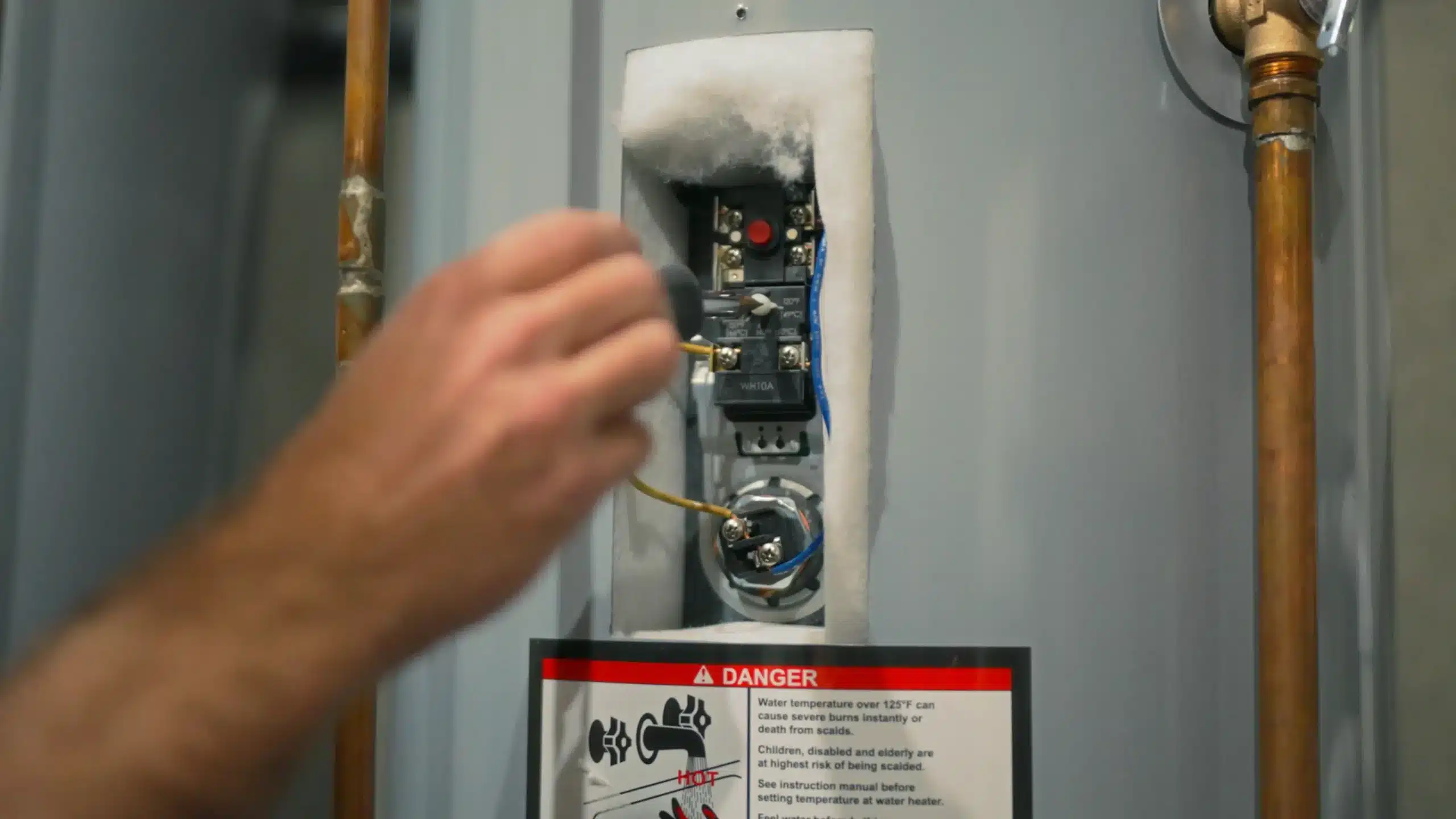
- Thermostat and pressure valve check: The pressure relief valve is a safety feature that releases excess pressure. Test the valve annually to ensure it’s functioning properly. If it leaks when not engaged, it requires replacement by a qualified plumber. Monitor thermostat readings to ensure they reach the desired temperature.Top tip: The ideal pressure range for water heaters is between 50 – 100 pounds per square inch (psi). Thermostats should be set at 120℉ for optimum performance.Learn how to adjust the thermostat on your electric or gas water heater.
- Inspections: Regularly check for leaks, rust spots, or cracks around the exterior tank unit and connections. Address any concerns quickly to prevent further damage.
Bonus read: Find out if cold weather affects your water heater here.
When to Consult a Professional
While DIY maintenance is empowering, there are times when professional intervention is needed:
- Annual services: Consider scheduling an annual inspection with qualified and licensed plumbers – like Smedley Plumbing – to ensure a thorough inspection is done. These technicians ensure both internal and external components are in good working order, identify potential issues, and recommend any necessary replacements or repairs.
- Complex issues: If you encounter persistent issues, it’s usually not the time for DIY fixes and there are likely more serious malfunctions with your water heater. Contact a registered plumber to diagnose the issue and provide proper solutions. These issues include:
- Significant water leaks
- Unusual sounds
- Gas or burning smells
- Insufficient hot water
Read about water heater problems in our troubleshooting guide.
Smedley Plumbing’s List of Services
- Water heater maintenance services: Annual inspections, sediment flushing, anode rod replacement, temperature and pressure valve checks
- Water heater repair services: Diagnosis and repair of common issues such as failing heating elements, leaks, and thermostat problems
- Water heater replacement and installation: Removal of old units, and installation of new water heaters, including traditional storage tank, tankless, and heat pump models
- Water heater upgrades: Consultation and installation of energy-efficient models for homeowners looking to upgrade for efficiency and environmental benefits
Remember, preventative maintenance is key. Incorporating a mix of DIY tricks and professional help can extend the lifespan of your water heater and avoid costly surprises down the road.
FAQs
What is the average life expectancy of conventional tank water heaters?
Conventional tank water heaters, or storage tank heaters, have an average lifespan of 8 to 12 years for gas models and 10 to 15 years for electric types.
Can a hot water heater last 20 years?
Yes, a hot water heater can last 20 years with proper maintenance. Many homeowners find their water heater unit surpasses the “typical” life expectancy.
How long do tankless water heaters last?
A tankless water heater lasts roughly 15 to 20 years.
Why is my water heater only supplying cold water?
If your water heater only supplies cold water, the heating element is faulty. It might only need a replacement but if this is a persistent problem (and you have an older model), a full water heater replacement might be a more cost-effective route to take.
What damages a hot water heater and shortens its life expectancy?
A few things can damage your water heater and shorten its lifespan such as excessive sediment build-up, high water pressure, corrosion, and the lack of proper maintenance.
Read more FAQs on our website, including information about our service areas and pricing.
Conclusion
Although water heater lifespans vary, with traditional models lasting 8 to 12 years, tankless models lasting 15 to 20 years, and heat pumps potentially reaching 50 years, this guide empowers you to maximize their lifespan.
By understanding the key factors and implementing the maintenance tips discussed, you can extend the life expectancy of your water heater and enjoy hot water for years to come.
Whether you need water heater maintenance, installation, or repair, Smedley Plumbing always promises exceptional service every time. With over 20 years in the plumbing industry and a 100% satisfaction guarantee, our first-rate, licensed, and insured plumbers are equipped to handle the toughest water heater challenges.
Call Smedley Plumbing at (816) 763-3539 or use our online form today.
And remember: When persistent water heater issues arise, it’s time to get Smedley-wise!
References
https://www.harpcanhelpyou.com/about-us/blog/how-long-do-water-heaters-last/
https://alwaysplumbing.ca/water-heaters/what-is-the-life-expectancy-of-a-hot-water-tank/
https://jacobsheating.com/blog/signs-a-water-heater-is-going-bad/
https://www.ready-able.com/5-signs-time-replace-water-heater/