The Real Cost of Ignoring Water Leaks
Water leaks—those little drips and sneaky seepages—are often easy to overlook. They can hide under kitchen sinks, inside walls, or even right in front of us as a slow trickle we shrug off as “just a small leak.” But here’s the thing: ignoring a water leak, no matter how minor it seems, is like inviting a slow-motion disaster into your home.
Why do we tend to overlook leaks? It’s simple: small leaks don’t seem urgent. A drip from the faucet doesn’t feel like an emergency, and a little dampness around a pipe might just seem like condensation. But these leaks, if left unchecked, can cause damage far greater than we imagine. From racking up higher water bills to fostering mold, mildew, and even structural damage, the hidden costs add up fast.
And then there’s the hidden risk factor. Water leaks create the perfect breeding ground for mold and mildew, which thrive in dark, moist environments—like those high humidity areas behind walls or under floors. When leaks go unnoticed in these places, mold growth can quickly spiral out of control, potentially leading to respiratory issues, allergies, and a long list of health problems. Worse yet, leaks can slowly weaken your home’s structural components—like wooden beams, drywall, and flooring—until you’re left with major repairs that could have been avoided with early water leakage detection.
So, what might start as a minor inconvenience, like a dripping faucet, can quickly escalate into costly repairs and potential health hazards. The true cost of water leaks isn’t just the money spent on wasted water; it’s also the unseen toll on your home’s safety, air quality, and structural integrity. That’s why, when it comes to water leaks, a proactive approach with a water detector is the only way to truly protect your home. Let’s dive into the details on why catching leaks early is one of the smartest moves you can make.
Understanding Water Leak Detection: A Guide to Keeping Your Home Dry and Safe
What Is Water Leak Detection?
When we talk about water leak detection, we’re diving into a mix of advanced technology and practical know-how aimed at finding even the sneakiest leaks before they become a problem. At its core, water leak detection is about identifying and locating leaks in your plumbing system, whether they’re obvious or hidden deep within walls and floors. The goal? To catch leaks early, prevent costly repairs, and protect your home’s structural integrity.
The Basics of Leak Detection Technology
The tech behind leak detection is fascinating. Gone are the days when plumbers would have to tear up floors and walls just to locate a leak. Now, we have tools that allow us to pinpoint leaks with laser precision. One of the most commonly used tools is the acoustic sensor, which detects sound waves caused by water escaping from pipes. Water escaping through a crack or tiny hole makes a unique sound, almost like a faint hiss or whoosh, and acoustic sensors can pick this up even when it’s too quiet for the human ear.
Then there’s infrared or thermal imaging, a powerful tool that shows temperature differences on surfaces. When water leaks out of pipes, it often cools down the surrounding area, creating a temperature contrast. Thermal imaging cameras let us “see” this difference, revealing hidden leaks without any invasive digging. And for smaller, isolated leaks, moisture meters or humidity sensors can give precise readings on dampness levels in floors, walls, and ceilings.
Different Types of Water Leak Detection Systems
In addition to the tools we plumbers use, there are several types of water leak detection systems homeowners can install to stay on top of potential leaks. Standalone water leakage detection devices, for example, are small devices that sit near common leak-prone areas—think under the sink, near the water heater, or behind the washing machine. These water sensors alert you if they detect any moisture, making them perfect for catching small leaks quickly.
Then there are whole-home leak detection systems, which take it a step further. These systems monitor water flow throughout the entire plumbing system. If they detect unusual water use (like constant flow that suggests a leak), they’ll send you a leak alert or even automatically shut off the water supply to prevent damage. These systems often come with app notifications and remote monitoring options, allowing you to receive a water leak alert even if you’re away from home. They’re ideal for peace of mind, especially if you’re frequently away or have a smart home setup that lets you control your systems remotely.
Common Sources of Water Leaks
Water leaks don’t all come from the same place, and knowing the usual suspects can help you understand why leaks happen and where to keep an eye out.
Pipe and Fixture Leaks
The most common leaks we see are from pipes and fixtures. Over time, your pipes can degrade, corrode, or suffer from normal wear and tear, leading to small cracks or holes. Joint connections, where two pipes meet, are especially prone to leaks if not properly maintained. Even the water pressure can play a role—too much pressure, and your pipes might spring a leak. Fixtures, like faucets, showerheads, and toilets, also have seals and washers that can wear out over time, allowing water to escape bit by bit. What starts as a tiny drip can end up wasting gallons if left unchecked. This is where a water leak sensor, like a smart water sensor or water detector, can play a key role by alerting you to the presence of water in high-risk areas.
Appliance Leaks
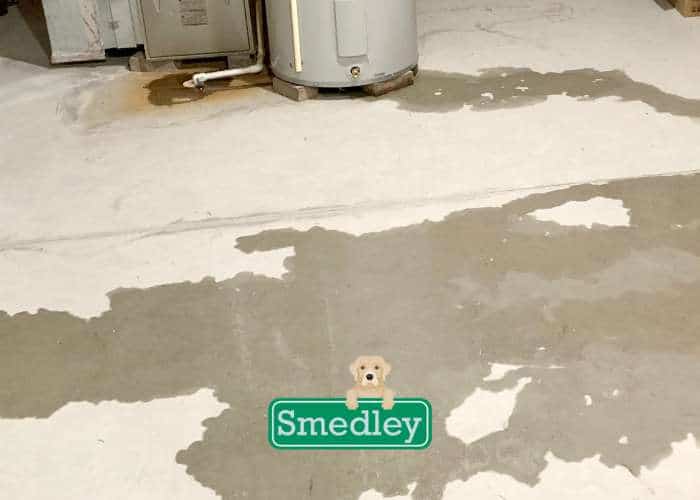
Modern homes are full of appliances that rely on water, and every single one has the potential to leak. Washing machines, dishwashers, and refrigerators with ice makers are common culprits. Most leaks happen at the water supply hoses, which can wear out or come loose over time, especially if they’re not properly installed or made of low-quality materials. Hot water heaters are another big one; they can develop leaks at the pressure relief valve or from sediment buildup in the tank, which creates a weak point. Regularly checking these appliances, especially at the connection points, is key to avoiding a surprise puddle. Installing a water leakage alarm near these appliances can provide peace of mind, with some devices even able to send an app notification or alarm sound if water is detected.
Roof and Foundation Leaks
Not all leaks are due to faulty plumbing—your home’s structure itself can contribute. Roof leaks typically occur around flashing, vents, or areas where two roof planes meet, allowing water to seep in during heavy rain. These leaks can trickle down into walls and ceilings, showing up as mysterious damp spots that are easy to mistake for a plumbing issue. Foundation leaks, on the other hand, usually stem from cracks in the concrete or poor drainage around the home’s perimeter. Water from the ground can find its way through these tiny cracks, especially if you live in an area with a high water table. Once it infiltrates the foundation, water can wreak havoc, leading to mold growth, structural damage, and a whole host of other costly problems. Smart water sensors and water leakage detection devices can be beneficial in these areas to detect early signs of water intrusion.

The Dangers of Undetected Leaks: Why Small Drips Can Lead to Big Problems
Structural Damage Risks
Let’s start with one of the biggest dangers of undetected leaks: structural damage. You might not realize it, but even a small, slow leak can lead to major problems within your home’s foundation, walls, ceilings, and floors over time. Having a water detection system in place can help catch these leaks early, minimizing potential damage.
How Leaks Affect Your Home’s Foundation
When water starts seeping down to your foundation, it can weaken the very base of your home. Water has a sneaky way of finding the smallest cracks and crevices, and once it’s in there, it can cause erosion around your foundation, creating shifts and gaps in the soil. This leads to an uneven base, and as your foundation shifts, it can cause cracks in walls, uneven floors, and even doors and windows that don’t quite close properly. If left unchecked, the water pressure can eventually create larger cracks in the concrete, allowing more water to seep in and accelerating the damage. This slow erosion can undermine the integrity of your home’s structure, turning a small leak into a major foundation repair. Installing water sensors in basement and foundation areas can provide a crucial early warning, especially in high-risk, high humidity areas.
Damage to Walls, Ceilings, and Floors
The effects of a leak don’t stop at the foundation. Water seeping into your walls, ceilings, or floors can cause some serious damage. Waterlogged drywall, for instance, becomes soft and weak, which leads to unsightly stains and can even cause the wall to crumble over time. In ceilings, water can collect in spots, causing bubbling, discoloration, and even leading to sagging. If the leak continues, you risk sections of the ceiling actually collapsing from the weight of the trapped water. Smart water sensors can alert you to leaks early, allowing you to stop the problem before extensive damage occurs.
Floors are just as vulnerable. Water can warp and buckle wood flooring, leaving it uneven and sometimes unsalvageable. For carpeted floors, water will seep in, creating the perfect breeding ground for mold, and if there’s enough water, it can damage the subflooring too. Over time, this kind of damage doesn’t just affect appearance—it can weaken the overall structure of your home, creating risks that are both costly and potentially dangerous. A wireless water detector with features like a siren or alarm sound can serve as an immediate alert to potential water intrusions.
Health Risks: Mold and Mildew Growth
Water leaks don’t just impact your home’s structure; they also create ideal conditions for mold and mildew to thrive. And once mold takes hold, it’s hard to get rid of and poses a serious health risk.
Conditions That Promote Mold Growth
Mold loves damp, dark spaces—places where water leaks tend to hide, like behind walls, under sinks, or in basements. All mold needs to grow is moisture, a food source (like wood or drywall), and a little bit of time. When water leaks go undetected, they create these perfect mold-friendly conditions, especially in warm, humid environments. The mold spores start small but spread rapidly once established, growing into colonies that can be hard to eradicate. Using water sensors in these areas can provide an early alert, helping you manage leaks before they escalate into mold growth.
Long-Term Health Impacts of Mold Exposure
Living with mold isn’t just unpleasant; it can have serious health consequences. Mold releases tiny spores into the air, which, when inhaled, can cause respiratory problems, allergies, and asthma, especially in children, elderly individuals, or anyone with a compromised immune system. Prolonged exposure can even lead to chronic respiratory issues or skin and eye irritations. Black mold, in particular, produces mycotoxins, which are associated with more severe health risks, including severe allergic reactions and neurological symptoms in extreme cases. Once mold starts spreading in hidden areas, it’s not only tough to remove but also continues to compromise your indoor air quality and overall health. Having a water leak sensor that sends a leak alert through an app notification or email can be a helpful tool in preventing mold before it becomes a major problem.
Increased Utility Bills
Now, let’s talk about another often-overlooked consequence of water leaks: the impact on your utility bills. Water leaks might seem small, but they can waste significant amounts of water over time, leading to surprisingly high bills.
How Leaks Drive Up Water Costs
A dripping faucet might not seem like a big deal, but that steady drip adds up. A single leaky faucet can waste around 3,000 gallons of water a year! Imagine what a slightly bigger leak can do. Undetected leaks, especially those hidden in pipes or fixtures, can constantly drain water without you even realizing it, leading to unnecessarily high water bills month after month. And it’s not just the amount of water; any hot water leaks are also using extra energy to reheat the water, driving up both your water and energy bills.
The Cost of “Phantom” Water Usage
Phantom water usage is when water is leaking in places you can’t see or easily monitor—like underground pipes or behind walls. This type of leak can run continuously, day and night, with you completely unaware of it. Imagine paying for water that you’re not even using! In some cases, phantom leaks can add hundreds of dollars a year to your utility bills. And if you’re on a metered water system, you’re literally paying for every single drop that goes down the drain unnoticed. Devices like the moen smart water detector or a water sensor alarm can help identify these phantom leaks by tracking unusual water usage patterns and providing instant alerts.
 Let’s face it:
Benefits of Early Water Leak Detection: Saving Money, Value, and the Planet
Saving Money on Costly Repairs
Let’s talk about one of the most obvious (and appealing) benefits of early water leak detection: saving money. Catching a leak early can mean the difference between a minor fix and a full-blown repair job, and trust me, the cost difference is significant. With devices like smart water detectors or systems that work with your router for wifi connectivity, leak alerts can notify you at the first sign of trouble, saving you from expensive repairs.
Why Early Detection Prevents Major Damage
When a leak goes unnoticed, water doesn’t just sit idly; it seeps into surrounding materials, creating moisture where it doesn’t belong. Over time, this moisture weakens structural components, causing wood rot, drywall damage, and even warping in floors and beams. All this adds up to a far more complex (and expensive) repair. Automation features on smart water sensors with bluetooth and hub integration can offer early alerts to tackle leaks before they spread. A small patch job or a quick pipe replacement is far less costly than tearing out sections of wall or replacing large areas of flooring.
The Financial Benefits of Minor Fixes vs. Major Repairs
Think of it this way: a minor leak might cost a few dollars to fix if caught early. But leave that same leak unchecked, and you could be looking at repairs in the thousands. Replacing water-damaged drywall, flooring, or structural beams isn’t cheap, and let’s not forget the potential mold remediation that often comes with prolonged leaks. Early detection keeps the problem small and manageable, and it keeps those repair costs low. Devices such as the phyn or moen smart water detector can monitor water flow continuously, identifying minor leaks early. It’s an investment that pays for itself over and over again by preventing bigger issues from cropping up down the line.
Protecting Your Home’s Value
Water damage can do more than just ruin your home’s aesthetics; it can actually lower its value. When potential buyers see signs of water damage or learn of past leaks, it can be a huge red flag. Early leak detection is one of the best ways to protect your home’s market value and keep it an attractive option should you ever decide to sell.
How Regular Leak Detection Maintains Property Value
Regular leak detection means you’re taking care of your home’s “hidden” systems—the pipes, connections, and plumbing features that are critical but often ignored. By consistently monitoring and addressing issues before they lead to visible damage, you’re effectively preserving your home’s condition. In real estate, a well-maintained home is a valuable home. Buyers love the peace of mind that comes with a property free from water damage, knowing they’re not walking into unexpected repair costs.
Avoiding Disclosure Issues When Selling Your Home
Here’s a little-known fact: when you sell a home, you’re legally required to disclose any known issues, including past or current leaks. If you’ve had leaks and didn’t address them properly, it could become an issue during the inspection process, complicating the sale and even leading to a lower offer. Buyers might wonder what else has been neglected if water damage was left unresolved. By catching and fixing leaks early, you avoid these uncomfortable conversations and give yourself a much smoother selling experience. Early detection and repair allow you to approach a sale with confidence, knowing your home’s plumbing system is in top shape.
Conserving Water and Reducing Environmental Impact
It’s easy to overlook the environmental side of things, but water leak detection isn’t just good for your wallet and your home’s value; it’s also great for the planet. Every drop of wasted water adds up, especially when you consider the collective impact of household leaks.
How Leak Detection Supports Water Conservation Efforts
Water leaks might seem like small-scale waste, but on a national or even global scale, it’s staggering. In fact, the EPA estimates that household leaks waste nearly a trillion gallons of water each year in the U.S. alone! That’s enough water to supply millions of homes. By investing in early leak detection with a water sensor alarm or alexa-enabled devices, you’re actively participating in water conservation efforts. Fixing leaks as soon as they appear prevents gallons of water from being wasted every day, which is crucial in times of drought and water scarcity. Early detection helps you do your part to keep this precious resource from literally going down the drain.
The Environmental Impact of Household Water Waste
Water waste doesn’t just mean higher utility bills; it also has a broader environmental impact. Extracting, treating, and delivering water to households requires a tremendous amount of energy. When we waste water, we’re also wasting the energy and resources it took to bring that water to our homes. By reducing leaks, we’re helping lower the overall demand on water supply systems and the environmental footprint of water usage. Think of early leak detection as an easy, impactful step toward a more sustainable lifestyle. It’s a win-win for both your home and the planet, reducing waste while saving you money in the process.
Early water leak detection offers benefits that go beyond just keeping your home dry. It saves you money, protects your property’s value, and helps conserve water—all while reducing your environmental impact. It’s one of those rare investments where every dollar spent brings returns in peace of mind, cost savings, and a healthier, more sustainable home.
How Water Leak Detection Works: The Tools and Techniques That Keep Your Home Dry
Modern Leak Detection Technologies
Leak detection has come a long way from the days of relying solely on visual cues or gut feelings. Now, plumbers have an arsenal of advanced tools that can detect even the smallest leaks without tearing into walls or floors. Let’s look at the most cutting-edge technologies we use to locate leaks with precision.
Acoustic Sensors
Acoustic sensors are one of the most effective tools in leak detection, and they work by picking up the sounds of water moving through pipes. When there’s a leak, the water escaping through a crack or hole creates a distinct sound—often a faint hissing or gurgling that’s inaudible to the human ear. Acoustic sensors can detect these sounds even when they’re buried deep within walls or under concrete slabs. Technicians use a listening device, combined with specialized headphones, to trace the exact location of the leak based on changes in pitch and frequency. This non-invasive approach allows us to pinpoint leaks without causing unnecessary damage.
Infrared Cameras and Thermal Imaging
Thermal imaging takes a different approach by detecting temperature variations on surfaces. Leaks can cause subtle changes in temperature, especially when hot water is involved or when water seeps into materials, creating cool spots. Infrared cameras “see” these temperature differences and display them as color variations, revealing hidden leaks in walls, floors, and ceilings. This technology is invaluable in spotting water damage before it becomes visible to the naked eye and allows us to identify leaks that might be missed by sound-based detection alone. Thermal imaging is particularly effective in large areas where other tools might struggle to pinpoint the source.
Moisture Sensors and Humidity Monitors
Sometimes, a leak doesn’t make any noise or cause immediate temperature changes, which is where moisture sensors come in. These sensors detect moisture levels in materials like drywall, wood, and flooring, measuring even slight increases that could indicate a hidden leak. A high-quality moisture sensor provides real-time data on dampness levels, helping us assess the extent of the water intrusion. Similarly, humidity monitors track the moisture levels in the air—helpful for finding leaks in poorly ventilated areas like basements or behind appliances. Together, these tools allow us to zero in on leaks that are completely silent or deeply hidden.
DIY Water Leak Detection Methods
While high-tech tools are fantastic, there are some DIY methods homeowners can use to spot leaks early before calling in the pros. Here are two quick and effective techniques anyone can try.
Checking for Visible Signs of Leaks
Sometimes, the simplest method is also the most effective. Start by checking for any obvious signs around the house: look under sinks, around toilets, and in the areas where pipes enter walls or floors. Damp spots, discoloration, or even a faint water ring can all signal a slow leak. Don’t forget to check outdoor spigots and irrigation systems, as leaks here are often overlooked. In bathrooms and kitchens, keep an eye on grout lines or caulking that looks discolored or cracked, as these can be warning signs that water is seeping where it shouldn’t be.
Using Your Water Meter to Identify Leaks
Your water meter is a surprisingly powerful tool for leak detection. Here’s a quick way to check: first, make sure no water is running in your home (turn off all taps, appliances, etc.). Then, locate your water meter and note the reading. Wait for about 30 minutes to an hour without using any water, then check the meter again. If the reading has changed, you likely have a leak somewhere. Some meters also have a small leak indicator—a dial that spins when water is flowing. If it’s moving when everything’s off, it’s a clear sign of a leak. This method won’t tell you where the leak is, but it’s a great first step in confirming a problem.
Professional Leak Detection Services
Sometimes, DIY isn’t enough, especially with hidden or extensive leaks. That’s when a professional leak detection service is invaluable.
What a Professional Detection Process Involves
When we conduct a professional leak detection, we bring all our tools and expertise to get a full understanding of the problem. First, we perform a visual inspection, looking for tell-tale signs of leaks. Then, depending on what we find, we may use acoustic sensors, infrared cameras, or moisture sensors to locate the leak precisely. If we suspect a leak behind walls or under floors, we’ll often combine several tools to ensure pinpoint accuracy. By the end of the process, we’ll provide a detailed report on the leak’s location, severity, and any potential damage, along with a plan for repair.
Benefits of Hiring a Licensed Plumber for Leak Detection
Hiring a licensed plumber for leak detection brings peace of mind and assurance that the job is done right. Professionals have the training to interpret the data from advanced tools correctly, knowing what subtle indicators to look for and when to investigate further. Plus, with a licensed plumber, you can be confident that any necessary repairs will be done to code, preserving your home’s value and integrity. With professional help, you avoid unnecessary guesswork, ensuring that leaks are identified and fixed correctly the first time.
Signs You Might Have a Water Leak
Even with high-tech tools and DIY tricks, knowing the signs of a water leak can make all the difference in catching it early.
Unexplained Increases in Your Water Bill
If you’ve noticed your water bill creeping up without a change in your water usage, it’s a strong sign you might have a leak. Pay close attention to the usage noted on your bill, as even a small, steady leak can cause noticeable spikes over time. Look for unexpected increases month over month, especially during seasons when your water use would normally decrease. If you can’t explain the extra usage, it’s worth investigating further.
Visible Signs Around Your Home
Water leaks often leave visible clues if you know where to look. Stains on walls, ceilings, and floors are classic indicators, often presenting as dark spots or discoloration in irregular shapes. In rooms with plumbing (like bathrooms or kitchens), you might notice peeling paint or warped flooring—both signs that moisture is affecting the materials underneath. Another place to check is the base of walls, where dampness or bubbling paint could point to water seeping up from a leak below.
Hearing Unusual Sounds
Sometimes, you don’t see a leak—you hear it. Pay attention to the sounds your home makes, especially when all taps and appliances are off. If you hear faint dripping or the sound of running water, it could be a sign of a hidden leak. Dripping noises can often indicate leaks in sinks, while a running water sound in the walls might mean a more extensive issue with your pipes. These sounds can be tricky to pinpoint, so if you can’t identify the source, it might be time to bring in a pro.
Musty Odors in Certain Areas
Mold and mildew love damp conditions, so if you’re smelling a musty odor, there’s a good chance moisture is present. This smell is often an early sign of a leak in a hidden area, such as behind walls or under floors. Mold spores release compounds that produce this distinctive smell, so if you notice it in certain rooms or areas, it’s wise to investigate further. Check places with limited airflow, like closets or basements, as these areas tend to trap moisture and amplify any musty odors. A moldy smell can mean a leak is actively creating the perfect breeding ground for mold, and catching it early can prevent health risks and costly repairs.
Preventive Measures to Minimize Leak Risks
Routine Plumbing Maintenance
When it comes to preventing leaks, nothing beats regular maintenance. A routine inspection can catch issues before they escalate into costly leaks, saving both your home and your wallet.
Why Regular Inspections Can Prevent Leaks
Think of your plumbing system as the circulatory system of your home—constant wear and tear is inevitable. Over time, seals degrade, pipe joints loosen, and corrosion can set in, especially in areas with hard water. Regular inspections allow plumbers to spot early signs of trouble, like mineral deposits, small cracks, or joint deterioration, that can easily be missed. During an inspection, a plumber can also check valves and faucets for early signs of dripping, test water pressure (too high can stress pipes), and look for corrosion on fittings. By fixing these small issues before they become major leaks, regular inspections keep your plumbing system running smoothly.
How Often Should You Inspect?
For most homes, an annual inspection is ideal, but if your home is older or if you’ve experienced leaks before, consider bi-annual check-ups. Also, certain plumbing elements, like water heaters and sump pumps, benefit from a seasonal check, especially before winter hits, as freezing temperatures can make pipes and seals more vulnerable. Staying proactive with inspections keeps repair costs low and minimizes the chance of sudden, unexpected leaks.
Using High-Quality Plumbing Materials
The materials used in your plumbing system make a big difference in preventing leaks. High-quality materials might be a larger investment upfront, but they pay off in durability and longevity.
The Role of Durable Materials in Leak Prevention
PVC, PEX, and copper are some of the most common plumbing materials, each with its own strengths. Copper, for instance, is highly resistant to corrosion and has a long lifespan, making it excellent for main water lines. PEX, a flexible plastic piping, is durable against freeze-thaw cycles, reducing the risk of burst pipes in colder climates. Meanwhile, brass fittings and stainless steel components offer better durability than cheaper plastic counterparts. Investing in durable materials, especially for high-stress areas like joints and valves, helps prevent leaks by standing up to temperature fluctuations, pressure changes, and the test of time.
Installing Smart Water Leak Detectors
With today’s technology, you can get ahead of leaks before they cause damage. Smart water leak detectors are devices that alert you to leaks the moment they start, allowing you to respond immediately.
Benefits of Automatic Leak Detection and Shut-Off Systems
Smart leak detectors typically monitor either moisture or changes in water flow, sending alerts to your phone when something’s amiss. These devices can be placed in high-risk areas like under sinks, behind the water heater, or near appliances. Whole-home systems take it further by monitoring your main water line’s flow patterns; if they detect unusual water usage, they can shut off the water supply automatically, stopping leaks in their tracks. These systems not only provide peace of mind but can also save you thousands in repair costs by preventing extensive water damage.
Insulating Pipes in Cold Weather
Cold weather poses one of the biggest threats to plumbing systems. When temperatures drop, water inside your pipes can freeze, expanding and exerting pressure that may lead to cracks or bursts.
Preventing Frozen Pipes That Can Burst and Leak
Pipe insulation is essential in areas prone to freezing, such as basements, crawl spaces, attics, or along exterior walls. Foam pipe sleeves are a quick and affordable way to insulate pipes, but in extremely cold climates, you might want to add heat tape to particularly vulnerable pipes. Heat tape provides a controlled, low-level heat that keeps pipes above freezing even during deep cold snaps. For outdoor faucets, make sure to disconnect hoses and shut off the water supply to prevent any leftover water from freezing and expanding within the pipes. Proper insulation reduces the chances of winter-related leaks and keeps your plumbing system secure year-round.
Choosing a Water Leak Detection System for Your Home
Deciding on the right leak detection system can feel overwhelming, but it’s all about finding what fits your home’s specific needs and leak risks.
Types of Water Leak Detection Systems
Standalone Detectors vs. Whole-Home Systems
Standalone detectors are placed near high-risk areas like under sinks, behind washing machines, or around water heaters. These units use sensors to detect moisture and send out alerts or sound alarms when they sense water. They’re ideal if you’re looking to cover individual appliances or rooms. Whole-home systems, on the other hand, monitor the flow of water throughout your entire plumbing system. They’re installed on the main water line and use algorithms to detect unusual activity, such as a continuous flow that might indicate a leak. Some whole-home systems can even shut off the water supply automatically, making them perfect for catching leaks that might occur when you’re away from home.
Key Features to Look For
Remote Monitoring and Alerts
Remote monitoring lets you keep tabs on your plumbing system’s health from your phone. This feature is especially useful if you’re often away, as it gives you real-time updates and alerts if a leak is detected. Many smart detectors come with mobile apps that notify you instantly, allowing you to respond quickly before a small leak turns into a major issue.
Automatic Shut-Off Valves
An automatic shut-off valve is a game-changer. In the event of a significant leak, the system will close the valve on the main water line, preventing further water flow. This feature is incredibly valuable for those with frequent leak issues or in homes with older plumbing that’s more prone to unexpected failures. While shut-off valves add to the cost, they offer a high level of protection, potentially saving you thousands in water damage repair.
Considering Cost vs. Long-Term Savings
Leak detection systems, especially whole-home ones, can seem like a big investment, but they pay off in the long run. Water damage repairs can be extremely expensive, especially if they affect structural elements, flooring, or drywall. By catching leaks early, a detection system reduces repair costs, protects valuable property, and even helps conserve water, leading to lower utility bills. When you consider these savings, the initial cost of a detection system becomes a smart, proactive investment that pays for itself over time.
DIY vs. Professional Installation
When it comes to installing a leak detection system, you can either go the DIY route or hire a professional. Standalone sensors and basic detectors are fairly straightforward to set up and are typically designed for easy installation. However, whole-home systems are more complex, especially if they involve connecting to the main water line and configuring shut-off valves. Professional installation ensures everything is properly calibrated and that the system is connected securely to your plumbing. It also guarantees that your leak detection system is installed according to local codes and regulations. While DIY might save you some upfront costs, professional installation provides peace of mind, knowing that your system is fully optimized to protect your home.
Choosing the right preventive measures for your plumbing system—from regular inspections to smart detection systems—can be the difference between a dry, safe home and costly water damage. Taking these steps now is like setting up a safety net, catching problems before they escalate. And the best part? Your future self will thank you for it.
Conclusion: The Importance of Proactive Leak Detection
Water leaks might start small, but they rarely stay that way. Ignoring a leak, no matter how minor it seems, can lead to big problems, from structural damage and mold growth to skyrocketing water bills. Proactive leak detection isn’t just about catching a leak early; it’s about protecting your home, your health, and your wallet. Investing in leak detection saves you from costly repairs and gives you peace of mind that your plumbing is running smoothly, not causing hidden damage.
Taking proactive steps toward leak detection is one of the best ways to safeguard your home and budget. By staying ahead of leaks, you’re ensuring small problems don’t have the chance to turn into costly disasters. Whether it’s a DIY check for visible signs or a professional inspection, every step toward proactive leak detection adds value to your home and helps you avoid future headaches. Remember, prevention is always cheaper—and easier—than repair.
Facing water leak in your home?
Don’t wait for a small leak to become a big problem. Schedule an inspection with Call Smedley today, and let our team of experts restore your peace of mind. Call us or fill out this form to book your inspection and take a proactive step toward a leak-free, worry-free home.