A clogged basement drain isn’t just a minor annoyance it’s a warning sign.
If you see standing water, smell sewage, or hear gurgling noises coming from the floor drain, act fast. Ignoring it could mean water damage, mold growth, or a full-on sewer backup.
Basement drains are there to keep water out of your home. When they clog, water has nowhere to go and in older Kansas City homes with clay or cast iron lines, that happens more often than you’d think.
In this guide, we’ll walk you through:
The warning signs of a clogged drain
What you can safely do on your own
What not to try
And when it’s time to call a pro who knows KC plumbing
Common Signs Your Basement Drain Is Clogged
Some clogs build up slowly. Others hit all at once usually after a heavy storm, laundry overload, or weekend guests.
Either way, catching the signs early can save you thousands in water damage repairs and mold cleanup.
Here’s what to watch for in your Kansas City basement:
1. Water Pooling Near the Drain
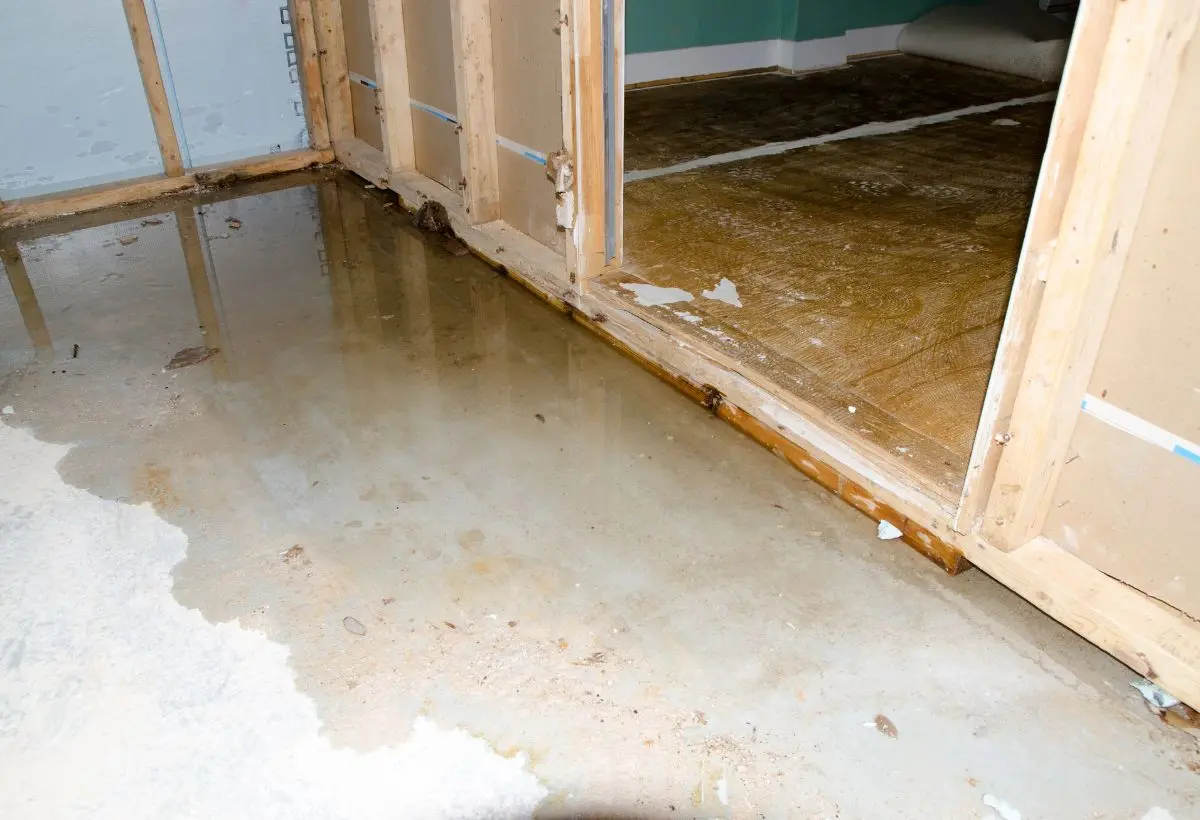
If water gathers around the floor drain and doesn’t drain away—especially after showers or washing clothes upstairs you likely have a partial or full blockage.
We cleared a backup like this in a Waldo home after laundry water flooded half the basement. One load of laundry can push out 15–40 gallons of water more than enough to flood a basement corner if the line’s blocked.
2. Gurgling or Bubbling Sounds
Strange noises from the drain when other fixtures are running? That’s air trapped behind a clog and a common sign in older KC homes with shared lines.
3. Slow Drainage
Water might still go down, but if it takes longer than a few seconds, something’s restricting flow usually grease, hair, lint, or roots.
4. Foul Odors
Sewer gas or musty smells in your basement often come from standing water or waste that’s stuck in the pipe. This is more than a smell issue it’s a health risk if ignored.
5. Sewage or Water Backups
If water or sludge backs up from the drain, the problem has moved past a simple clog. This usually means your main sewer line is blocked and needs immediate attention.
These aren’t “maybe” signs. They’re your home warning you before a flood starts.
Next: We’ll break down the most common causes of basement drain clogs in Kansas City and what you can do right now to stop them.
What Causes Basement Drain Clogs?
Most clogs don’t show up out of nowhere. They build slowly over time. Every flush, load of laundry, or rinse from a sink adds a little more gunk to the line. In Kansas City, it’s even more common thanks to old pipes and big tree roots.
Here’s what we see most often in homes from Brookside to Waldo:
1. Dust, Dirt, and Gunk
Basement drains catch everything. Dirt from your shoes, dust from sweeping, even pet hair. It settles at the bottom and eventually slows everything down.
2. Lint and Soap from the Washer
If your laundry drains into a basement line, watch out. Soap buildup, lint, and fuzz from your clothes stick to the inside of the pipe. We’ve cleared this stuff out in homes near Troost, where laundry drains had been clogging for months.
3. Grease or Paint from Utility Sinks
Some folks rinse paintbrushes or dump greasy water down their utility sink. That thick stuff coats the pipe and stays there. One job near 39th Street? The whole line was packed with dried paint and kitchen grease.
4. Tree Roots Growing In
Roots love moisture. Older homes in KC, especially the ones with clay or cast iron pipes, give roots a way in. Once they find it, they grow fast and block the whole pipe.
5. Broken or Sinking Pipes
Pipes don’t last forever. Some collapse. Others sag in the middle and hold water. One family near Loose Park had a sunken section under their basement floor. We fixed it without tearing up the whole slab using trenchless gear.
6. Bad Slope or Poor Setup
Some drains were just installed incorrectly. If the pipe doesn’t tilt enough or is too narrow, even clean water struggles to flow. Add lint or grease, and you’ve got a clog waiting to happen.
Knowing the cause helps fix the problem. Next, let’s look at what you can safely try and when it’s time to bring someone in who knows this stuff inside and out.
First Steps to Take When You Spot a Clogged Basement Drain
The moment you see water pooling or hear that strange gurgling sound, it’s time to act. A few quick steps can stop a small issue from turning into a flooded mess.
Here’s what we recommend before calling a pro:
1. Stop Running Water Into That Drain
Turn off anything near the washer, sink, or shower. The more water you send down, the more pressure you put on the clog. We’ve seen backups in KC homes double in size just from running one load of laundry.
2. Take a Look Inside
Pop the drain cover and shine a light down. Sometimes it’s just lint, pet hair, or a wad of paper towel stuck near the top. If you see anything obvious, try to pull it out (gloves, always).
3. Try a Plunger
It’s not just for toilets. A few firm pushes with a cup plunger might be enough to break up a small blockage. Make sure there’s an inch or two of water over the drain so the seal holds.
4. Use Enzyme Cleaner, Not Chemicals
Skip the harsh stuff. If plunging helped a little, follow up with an enzyme-based cleaner. It’s safe on your pipes and eats away at grime slowly. Let it sit overnight.
5. Test It But Go Easy
Run a little water and see what happens. If it drains better, great—you might’ve cleared it. If it’s still slow or backs up again, stop there. Forcing water through can make things worse.
Sometimes these steps are all it takes. Other times, it’s a deeper problem. Up next: what not to do and why some DIY fixes cause more harm than good.
What Not to Do When Your Basement Drain Clogs
We get it when water starts backing up, you want to fix it fast. But some of the most common DIY tricks end up doing more harm than good.
Here’s what to avoid:
1. Skip the Chemical Drain Cleaners
They’re harsh, and they don’t work on deep clogs. We’ve seen cast iron pipes near Midtown eaten through by years of repeated chemical use. It might seem like an easy fix, but it’s usually a short-term win that leads to long-term damage.
2. Don’t Just Wait It Out
We’ve been to homes where a slow drain on Monday turned into a soaked basement by Thursday. If it smells bad, drains slowly, or gurgles, act. Small clogs don’t stay small for long.
3. Turn Off the Water Going Into That Line
Still doing laundry or rinsing the sink while the basement’s backing up? That’s just fueling the problem. Shut it down until you know the line’s clear.
4. Be Careful With Snakes and Augers
Snaking blind is risky, especially with older clay or cast iron lines (which are common all over KC). We’ve seen DIY snaking jam roots deeper or even break weakened pipes. If you don’t know what’s inside, don’t force it.
When in doubt, don’t push it. We’ve been inside the plumbing systems of homes from Waldo to Overland Park, and we’ve seen what happens when a simple backup turns into cracked pipes or a dug-up basement.
Next, let’s talk about when to make the call and what happens when we show up.
When It’s Time to Call a Plumber
Some clogs you can handle yourself. Others? Not so much. If you’re seeing any of these, it’s time to bring in someone who knows Kansas City plumbing.
1. Water Is Coming Back Up the Drain
If the basement drain starts acting like a fountain water bubbling up instead of going down that’s usually a clog deep in the main sewer line. We see this all the time in older KC homes with shared lines.
2. DIY Didn’t Fix It
You’ve plunged, tried enzyme cleaner, maybe even pulled out some gunk. And it’s still backing up. That tells us the problem’s farther down or the pipe’s cracked, sagging, or blocked by roots.
3. It Smells Like Sewage
Bad smells mean something is stuck waste, stagnant water, or a venting issue. A camera scope shows us what’s going on without tearing anything open.
4. More Than One Drain Is Slow
If your floor drain is slow and your tub or kitchen sink is gurgling? That’s not a small clog. It usually means the main line is struggling.
We had a house off Ward Parkway where this exact thing happened turns out, tree roots had wrapped halfway around the pipe.
5. You’re Just Not Sure What’s Going On
If it’s your first time dealing with this, don’t guess. We use drain cameras, pressure testing, and jetting tools to figure it out fast without causing damage.
How Smedley Plumbing Clears Basement Drain Clogs
When you call us, we don’t roll up with a plunger and a guess. We show up with the tools and the experience to find the actual problem and fix it the right way.
Here’s what happens when we get to your Kansas City home:
We Take a Good Look First
We start by checking the drain, nearby fixtures, and asking what you’ve seen so far. A gurgling floor drain and a slow kitchen sink? That tells us a lot. We’ve been through enough KC basements to spot patterns fast.
We Use Tools That Actually Work
If the clog is reachable, we’ll use a pro-grade drain snake to break it up. This isn’t the flimsy kind you rent. Ours chews through buildup and clears the line cleanly—usually within an hour.
If It’s Deeper, We Use a Camera
Still backing up? That’s when we send in a sewer camera. It snakes through the pipe and shows us exactly what’s inside roots, grease, or a collapsed section. No guessing. No unnecessary digging.
We used this setup last month in a home near Brookside where the drain backed up every time it rained. Turned out to be a root ball 30 feet out.
We Jet It Clean When Snaking Isn’t Enough
For tough clogs like grease, soap sludge, or roots we use high-pressure hydro jet. It blasts the inside of the pipe with water and clears everything out. Safe on your plumbing. No chemicals needed.
We Fix Broken Pipes Without Destroying Your Floor
If the pipe is cracked, sagging, or collapsed, we’ll walk you through the options. Sometimes we dig. Sometimes we don’t. We’ve done trenchless repairs all over Prairie Village and Midtown that saved basements and budgets.
Some Clogs Don’t Quit Neither Do We
Julie called us with a drain that wasn’t just clogged—it was stubborn. The kind that most people would write off as a full replacement job.
But walking away isn’t how we do things.
We took our time. We tested. We adjusted. We didn’t guess and we didn’t stop.
As Julie put it, “Mitch is an amazing problem solver. He persisted to solve a problematic clog that could have been extremely costly and challenging to replace if it couldn’t be fixed.”
It took more than a quick fix, but we got it flowing again without tearing anything out.
Julie wrote, “So grateful for his dedication to seeing it through and doing his best.” That means a lot to us. Because at Smedley Plumbing, that’s the only way we do the job.
She added, “Would trust them with any plumbing needs… I’m a repeat customer and am just as pleased every time.”
That’s why we show up. Not just to clear a drain—but to earn trust that lasts.
Protecting Your Basement from Future Clogs
One fix is good. Not needing one next year? Even better.
Here’s what we tell Kansas City homeowners who want to keep their basement drains flowing and avoid calling us again anytime soon:
Install a Lint Trap on Your Washer Drain
Washing machines send tons of lint and fabric gunk into the line. A $5 lint trap at the hose connection can save you a $500 call later.
Don’t Pour Grease or Paint Down Utility Sinks
We’ve cleared so many drains near Waldo and Westport where thick paint water or cooking grease hardened inside the line. It sticks, collects lint, and clogs fast. Use a bucket instead—dump it outside when it’s cool.
Flush Your Floor Drain Once a Month
Pour a gallon of water down the floor drain every few weeks—especially if you don’t use it often. It keeps the trap full, blocks sewer gas, and helps spot slow drains early.
Use Enzyme Cleaner Monthly
A safe, enzyme-based drain cleaner like Bio-Clean can break down gunk before it becomes a clog. No need for harsh chemicals. Just add it at night and let it sit.
Have the Line Scoped Every 2–3 Years
If your home was built before the 1980s—or if you have big trees nearby—a quick sewer camera inspection every few years is worth it. We’ve scoped lines in Brookside, Waldo, and near Ward Parkway that looked fine outside but were full of cracks or roots underground.
Add a Backwater Valve
In areas that flood easily (looking at you, West Plaza), a backwater valve stops sewage from coming up through the floor during storms. We can install one without tearing up your whole floor.
Call Smedley Plumbing
Need help now—or want to make sure you don’t?
📞 (816) 763-3539
✅ Serving Kansas City 7 days a week
💧 No mess, no pressure, just straight-up plumbing that works.
Final Thoughts
A clogged basement drain might start small, but left alone, it can turn into a flooded mess. Catch the signs early, avoid quick-fix mistakes, and don’t be afraid to call in help when things don’t clear up.
At Smedley Plumbing, we’ve cleared basement drains all over Kansas City—from Brookside to Waldo to Westport. We show up ready, fix it right, and help you keep it from coming back.
Got a slow drain or standing water? Give us a call before it turns into something worse.
Frequently Asked Questions
It usually means something is blocking the pipe. It could be dirt, old soap, or even tree roots. Sometimes, the main sewer line is clogged, and that can push water back up into your basement.
You can try. A plunger or a natural drain cleaner might help if the clog is small. But if water keeps coming up or drains really slow, it’s safer to call a plumber before things get worse.
Start with simple tools like a plunger. If that doesn’t work, we use tools like drain snakes, cameras, or high-pressure water to clean it out. It depends on what’s blocking the pipe and how deep it is.
Yes. A bad smell is often a warning sign. It might be old water, waste, or gas from the sewer line. Even if the drain looks fine, a strong smell means something isn’t right under the floor.
Clean the drain once in a while. Use a cover to catch junk before it goes down. Don’t pour grease or thick liquids into basement sinks. And having a plumber check your drains every year is a smart idea.
Hot water can help loosen minor clogs, especially when followed by baking soda and vinegar. But if the drain system is blocked deeper down, this won’t solve the issue, and you’ll need to look into proper drain cleaning.
Heavy rain can overload the city’s sewer system, which may force wastewater back into your home. This often shows up in the basement floor drain and can lead to a messy and unsafe sewage backup.
A working sump pump is key. It helps remove excess water that seeps in during rain. You should also keep your main drain line clear and check it as part of your regular maintenance.
Slow water flow can be caused by a partial clog in the line, often from toilet paper, grease, or debris. If not cleared, it may lead to a full sewage clog and require a drain repair to restore normal flow.
Yes. A flooded basement could mean serious issues with the drain or sewer lines. A professional plumber can find the source and fix it before more gallons of water enter your home.