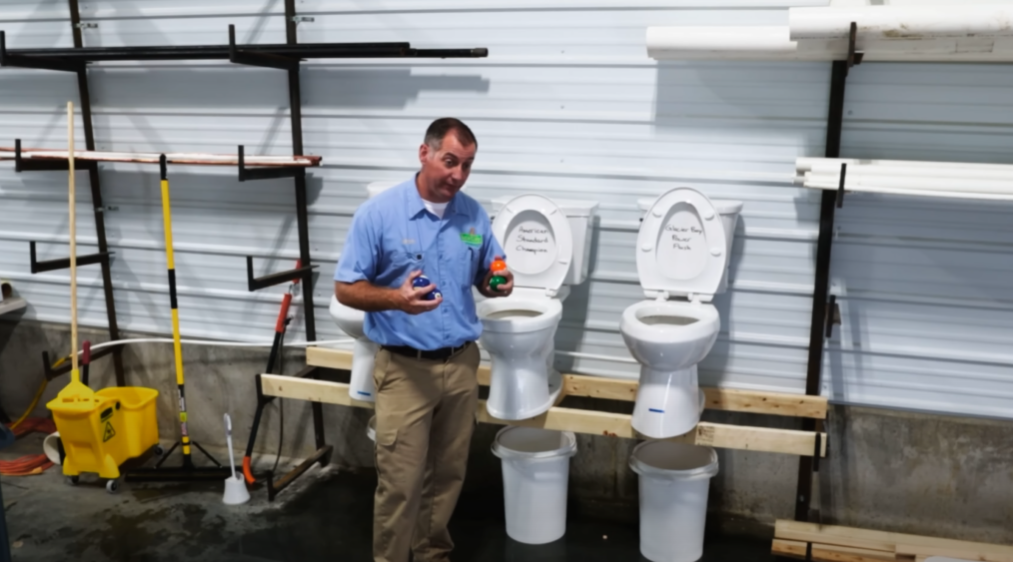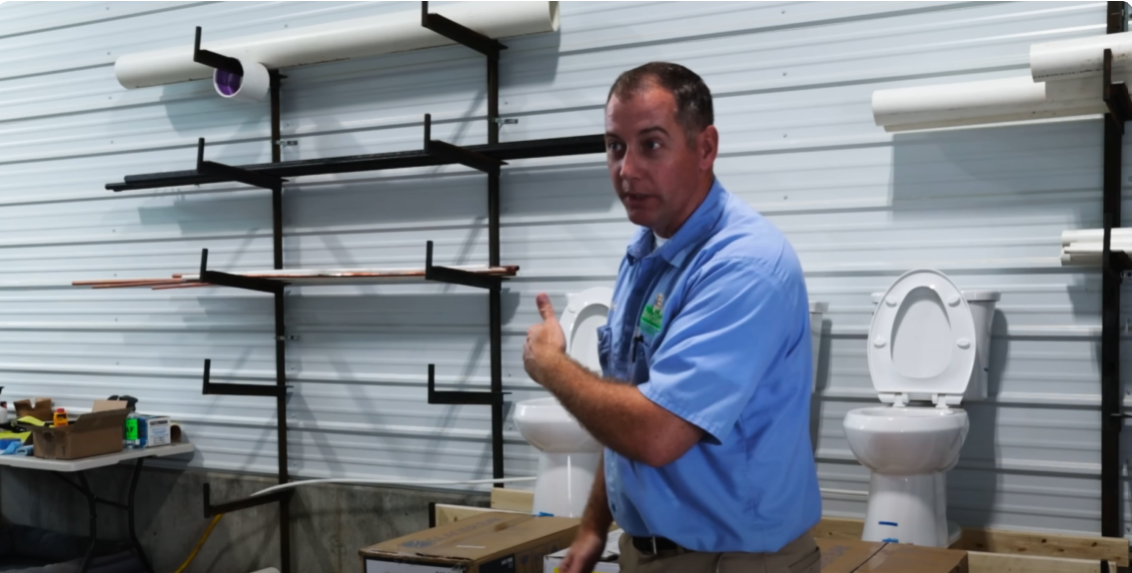
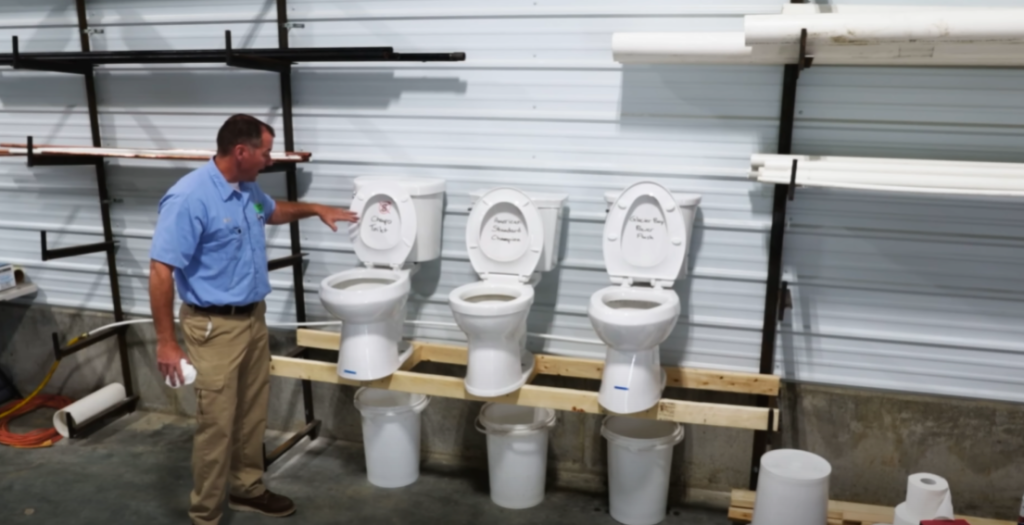
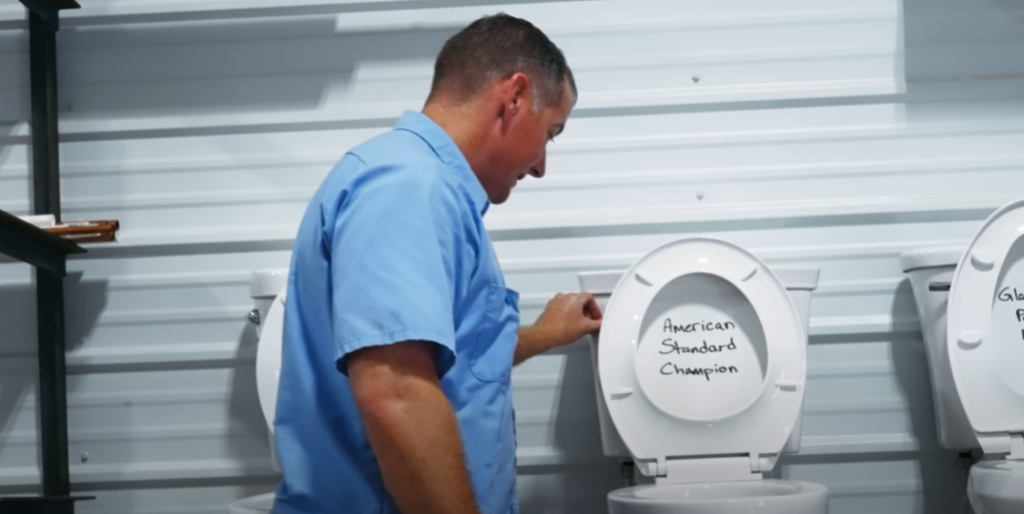
Choosing the right toilet is more than a simple purchase—it’s a decision that affects daily comfort, water efficiency, and the durability of your bathroom setup. With so many options on the market, from budget models to high-powered performance toilets, it can be overwhelming to pick the right one. To help you make an informed decision, we conducted a series of tests on three popular toilet models from Home Depot: a budget toilet, the American Standard Champion, and the Glacier Bay Power Flush.
In this post, we’ll walk you through everything you need to know to choose the best toilet for your home, backed by our real-world testing of flushing power, bowl cleanliness, and more.
Understanding Your Toilet Needs
Before exploring the different types of toilets, you need to think about what you need. Here are some things to consider: How many people will use the toilet often? Do you have any special needs, like standard height or easy access? What is your budget for this purchase?
By answering these questions, you can limit your choices. Remember, a toilet is something you will use for a long time. So, focus on finding one that is strong, works well, and looks good for your space.
Evaluating Your Bathroom Space
The size and shape of your bathroom are very important when choosing the right toilet. You should measure the space carefully. Make sure to find the distance from the wall to the center of the toilet drain. This is called the rough-in measurement.
If your bathroom is small, a compact, one-piece toilet is the top choice. It can save space. If you have more room, you might want a two-piece toilet with a separate tank. Also, think about how much space there is around the toilet to make sure it is comfortable to use.
Look at where the plumbing lines are and check for any doors or fixtures that could block the toilet’s position. Planning the space well helps make sure the toilet fits well and works great.
Considering the Users’ Needs
When picking a toilet, it’s important to think about how comfortable it will be for users. Comfort height toilets are good choices for taller people or those who have trouble moving around. These toilets have seats that sit about 17 to 19 inches high.
Also, consider using elongated bowls instead of round ones. Elongated bowls offer more comfort and space. Don’t forget about the toilet seat. Soft-close hinges stop it from slamming, and heated seats can add a touch of luxury.
To make sure everyone is happy and comfortable, choose a toilet that fits the specific needs and likes of the users.
Common Toilet Types
Standard Gravity-Flush Toilets
These toilets use gravity to move waste, which is effective and often budget-friendly. However, they may lack the power of newer models.
Power-Flush Toilets
These pack a punch, using air pressure or a pump for a stronger flush. They’re great for households where clogging is a common issue or for larger families.
Key Features to Consider
When picking a toilet, it’s important to think about more than just the type and size. There are key features that can really affect how well the toilet works and how much water it uses. These features can also change how satisfied you feel about your choice over time.
Make sure to focus on features that fit your needs. Think about things like water efficiency, strong flushing power, and a comfortable bowl shape. Choosing a toilet with these qualities will help you find one that lasts and keeps you happy.
Water Efficiency and Conservation
Water efficiency is very important, especially in places that often have droughts or for people who want to help the environment. When choosing a toilet, look for ones with a WaterSense label. This label shows they meet standards for saving water set by the EPA.
Here are some things to think about for water efficiency:
- Gallons per Flush (GPF): Choose toilets that use less water per flush. Standard toilets use 1.6 GPF, but high-efficiency models can use only 1.28 GPF or even less.
- Dual-Flush Systems: These toilets let you choose a smaller flush for liquid waste and a larger flush for solid waste. This way, you save water based on what you need.
- Rebates and Incentives: Look for local utility rebates or government incentives if you install water-efficient toilets. These can help lower the initial cost.
By focusing on water efficiency, you help the environment and can save money on your water bill over time.
Flushing Systems Overview
The way a toilet flushes affects how well it gets rid of waste and stops blockages. Most toilets use gravity-fed systems. These systems use gravity to pull water from the tank and flush the waste. They usually work well, but you might need to flush more than once to get everything clean.
On the other hand, pressure-assisted toilets use compressed air for a stronger flush. This makes it easier to remove large amounts of solid waste. However, these toilets can be noisier than gravity-fed ones.
When choosing a flush system, think about how many people are in your home, how much money you want to spend, and how much noise you can handle. A strong and efficient flush mechanism will help keep the toilet bowl clean and lower the chances of clogs. This can help reduce frustration and save you time on repairs.
Bowl Shapes and Sizes
Toilet bowls come in different shapes and sizes to fit various body types and bathroom designs. The two main shapes are round and elongated. Round bowls are smaller and are good for tight spaces, but they might not be as comfortable for sitting.
Elongated bowls offer extra space and are usually more comfortable. This is especially true for taller people. However, they need a bit more space to be installed.
Comfort height toilets have a higher seat, which is great for people with mobility issues, older adults, or anyone who wants an easier and more comfortable way to sit.
Putting Popular Toilets to the Test: A Hands-On Experiment
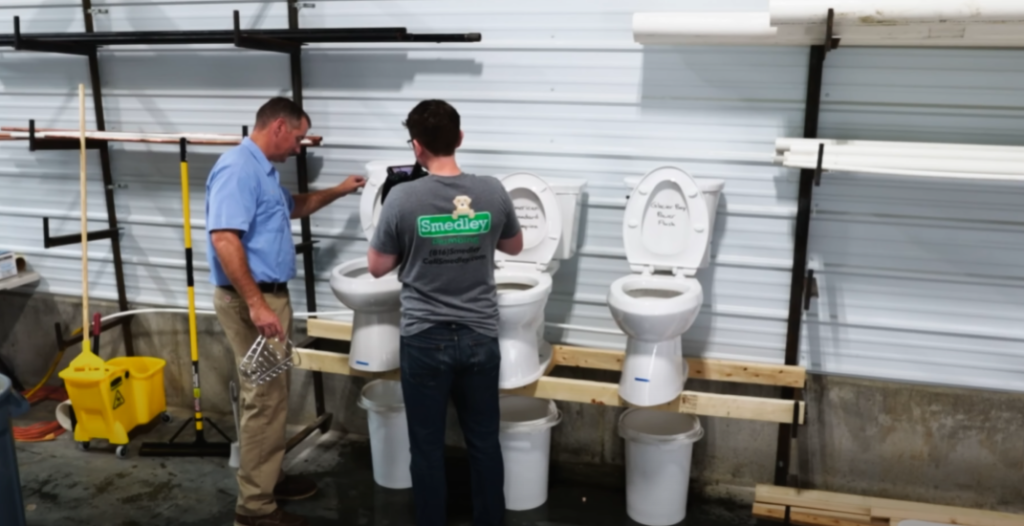
Before we dove into testing three popular toilet models, we carefully selected a range of items to simulate real-world challenges these toilets might face. From everyday items like toilet paper to odd objects like golf balls and Nerf bullets, our goal was to test each model’s flushing power, bowl cleanliness, and overall performance. We wanted to see not only how these toilets handled regular use but also how they’d hold up under some, let’s say, “unexpected” scenarios.
After setting up each toilet, we performed a series of structured tests designed to show each model’s strengths and weaknesses in specific areas. This way, we could identify which toilet stood out in terms of value, durability, and power—and which ones might leave you reaching for the plunger! Here’s how each toilet performed under our “extreme flush” tests.
Flushing Power: Toilet Paper Test
First up, we wanted to see how much toilet paper each model could handle before clogging. Here’s what happened:
- Budget Toilet: This one managed up to 10 feet of toilet paper but clogged at 15 feet. Not bad for a budget model, but it might struggle in a busy household.
- American Standard Champion: The Champion flushed 15 feet without a problem but couldn’t handle 20 feet. A solid option if you’re looking for moderate flush power.
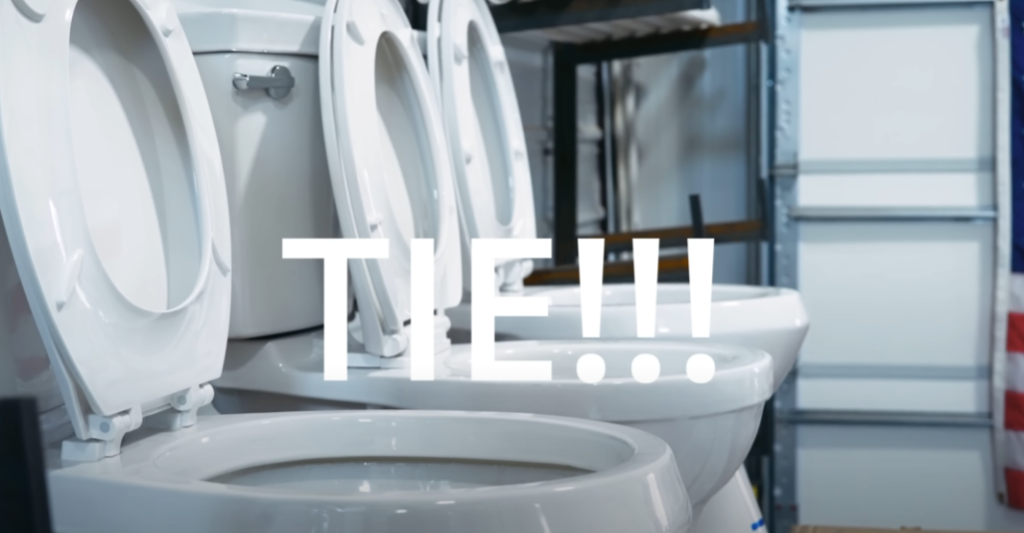
- Glacier Bay Power Flush: Tied with the American Standard at 15 feet before clogging at 20. The Power Flush lives up to its name, especially at this price point.
Bowl Cleanliness Test
For bowl cleanliness, we added some chocolate syrup and marshmallows to simulate real-life residue. Here’s what we found:
- Budget Toilet: Left some residue, which would likely need additional flushes or scrubbing.
- American Standard Champion: Better than the budget model but still not perfect.
- Glacier Bay Power Flush: Nearly spotless after a single flush, making it a good choice if keeping the bowl clean is a priority.
Performance with Ping Pong Balls and Golf Balls
We took our tests a step further by seeing how each model handled ping pong balls (which float) and golf balls (which are heavier).
Ping Pong Ball Test
- Budget Toilet: Cleared 7 ping pong balls before clogging.
- American Standard Champion: Impressed us by handling 14 ping pong balls.
- Glacier Bay Power Flush: Only managed 3 ping pong balls, likely because its powerful flush pushed them to bunch up.
Golf Ball Test
Golf balls add weight to the test, showing us each toilet’s real power.
- Budget Toilet: Cleared 13 golf balls, not bad for its price.
- American Standard Champion: Despite claims of handling a bucket of golf balls, it only managed 16.
- Glacier Bay Power Flush: Cleared 34 golf balls, proving it has serious power.
Household Items Test: Nerf Bullets, Medicine Bottles, and Underwear
Real households sometimes flush odd items, especially with kids or pets around. We tested common objects to see what each toilet could handle.
- Nerf Bullets: The budget toilet handled 3 bullets, the American Standard struggled with just one, and the Glacier Bay managed 37 (though they did eventually clog).
- Medicine Bottles: All three models successfully flushed these.
- Underwear: Surprisingly, each toilet handled a pair of underwear without clogging.
Food Tests: Brussels Sprouts, Cranberry Sauce, and a Whole Chicken
Next, we tested bulky and soft food items like Brussels sprouts, cranberry sauce, and even a rotisserie chicken (for fun, of course).
- Brussels Sprouts: The budget toilet handled 8 sprouts, while the American Standard and Glacier Bay both managed 25.
- Cranberry Sauce: The budget and American Standard toilets struggled here, but Glacier Bay handled a full can.
- Whole Chicken: Glacier Bay showed off its strength, managing most of the chicken after a couple of tries.
Our Verdict: Which Toilet Is Best?
Each toilet had its strengths:
Budget Toilet: Affordable and decent for basic needs, but may need extra maintenance or double-flushing.
American Standard Champion: A good mid-range option that performs well under moderate use.
Glacier Bay Power Flush: The clear winner in terms of flush power and bowl cleanliness, ideal for high-traffic bathrooms or larger families.
Final Thoughts
Choosing the right toilet is more important than you might think. Based on our tests, the Glacier Bay Power Flush is a top recommendation if you’re looking for strength and reliability. For a more affordable option, the American Standard Champion performs well, while the budget toilet works best in low-traffic areas.
Need Help with Installation? Call Smedley Plumbing
At Smedley Plumbing, we don’t just install toilets—we help you choose the best one for your needs. Whether you’re looking for flush power, water efficiency, or just advice, our experienced team is here to guide you through. Contact us today to learn more or schedule your installation!