Having trouble with a basement drain that won’t drain? You’re not the only one facing this. It can be a frustrating problem. It might be just a small clog in your basement drain, or it could be a big issue with your sewer line. Leaving standing water there is not a good idea. It can cause expensive damage and put your health at risk. This easy guide will help you figure out the common reasons why your basement drain might be blocked. It will also give you the know-how to deal with these problems directly.
Understanding Your Basement Drain System
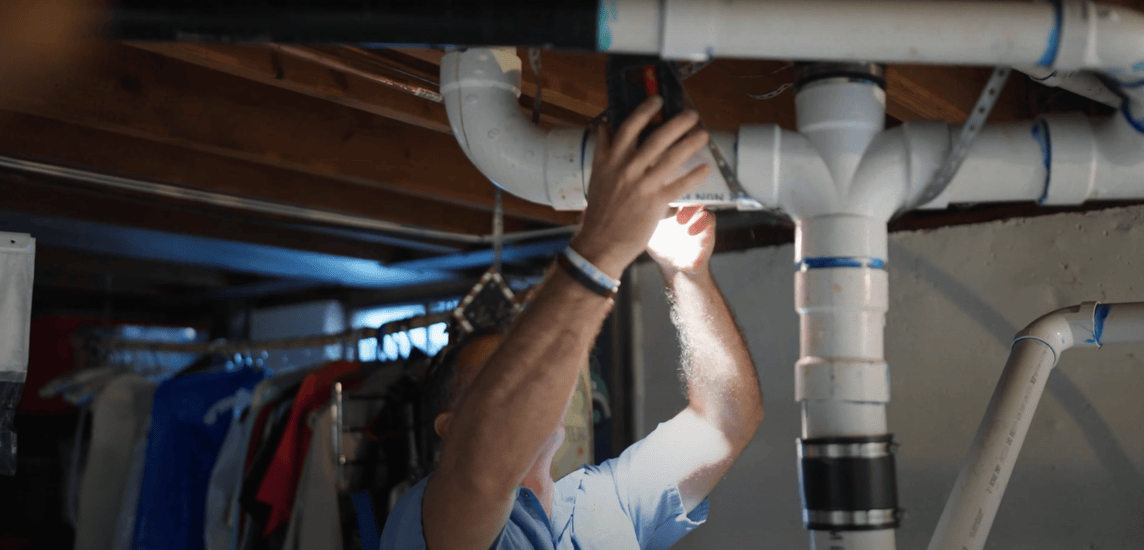
Before you start troubleshooting, it’s good to know some basics about your basement drain system. Unlike other drains that connect to the main sewer line, basement drains usually lead to a different system. This system helps move excess water away to stop flooding.
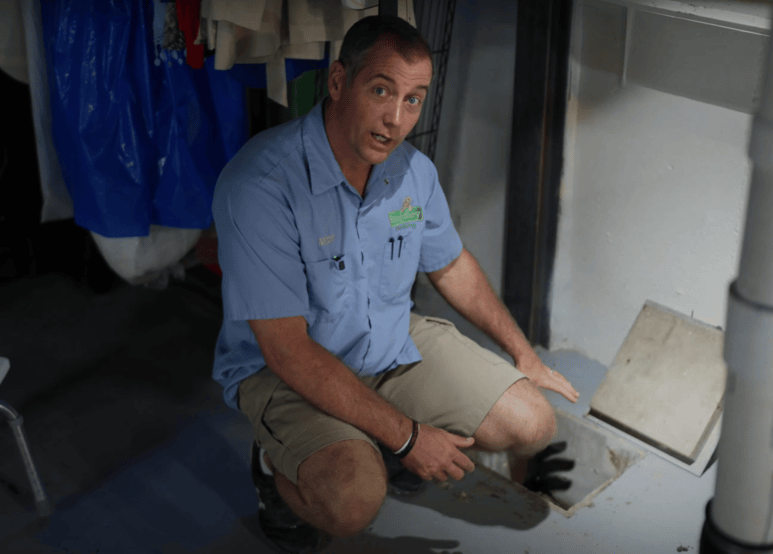
The system usually has a floor drain, which is a visible part of your basement floor. It also includes drain pipes that carry water away from your home’s foundation. These drains act as a protector against heavy rain, plumbing leaks, or a burst water heater.
The Role of a Basement Drain in Flood Prevention
The main job of your basement floor drain is to prevent floods. Imagine a big rainstorm that overwhelms the city’s storm drain system. This could cause extra water to seep into your basement. Your basement floor drain is there to catch this water. It safely directs it away from your home.
Accidental spills or leaks, like from washing machines, are also common in basements. Again, your reliable floor drain quickly directs the water away. This stops damage to your things and helps keep your home’s structure safe.
So, though we often forget about them, basement floor drains are like silent protectors. They work hard to keep your basement dry and safe from possible water damage, which could be expensive to fix.
How Basement Drains Work and Why They Get Blocked
Your basement drain connects to your main sewer system or a separate storm drain. No matter how it is set up, gravity helps move water downward, keeping it away from your home. But this simple process can get stuck if there is a clog, making your basement drain back up and not drain properly.
Many things can cause a clogged basement drain. Hair, soap scum, dirt, and small items that went down other drains can build up in the pipes, causing a blockage. In older homes, tree roots can also be a problem.
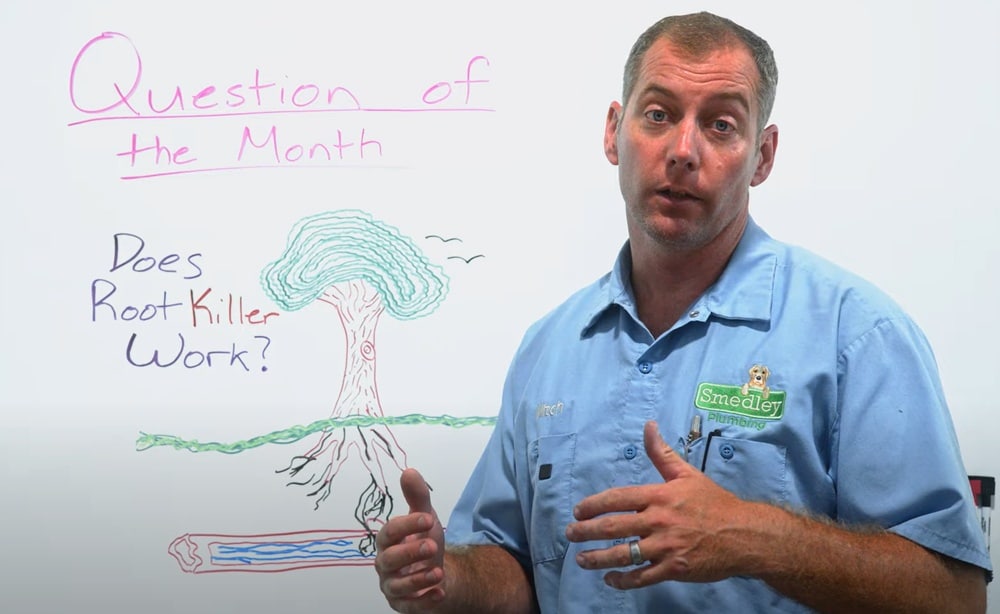
Tree roots grow towards water and can sneak into even tiny cracks in your pipes. This can lead to big blockages over time. Knowing these issues is the first step to fixing them.
Common Causes of Basement Drain Blockages
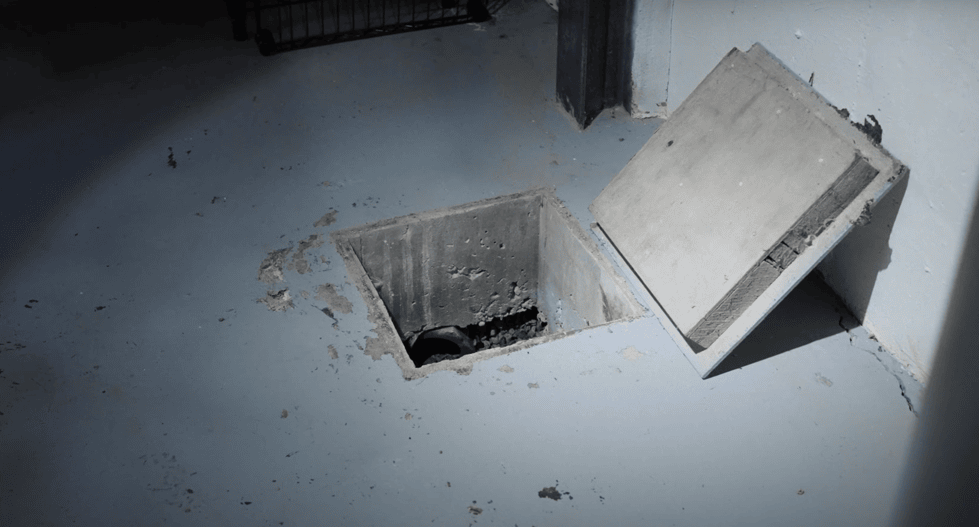
Many things can cause a blocked drain. These can be daily activities or sudden issues. One main reason is leftover debris from the home. Things such as hair, soap, grease, and food bits can pile up over time. This can gradually limit how water flows.
Another typical cause is sewer line issues. This can be a big problem for older homes, especially in cities like Kansas City, Missouri. There, old sewer systems and growing tree roots can damage main drain lines.
Household Debris and Its Impact on Drainage
We often ignore how small bits of debris at home can affect our drains. But everyday items, even those that seem “flushable,” can build up and lead to a clogged drain. For example, hair is a common issue found in bathroom drains. It can move through pipes and cause blockages later, like in your basement drain.
Grease is another big problem. People wash it down the kitchen sink drain without thinking. When grease cools, it hardens in the pipes. It sticks to other debris and creates a tough blockage that slows down water flow.
As time passes, tiny bits of food, soap scum, and dirt add to the trouble. These small particles make the clog worse and can eventually stop your drainage system from working.
Sewer Line Problems in Kansas City, Missouri Homes
Homes in Kansas City, Missouri, deal with special problems related to sewer lines. The city’s big, beautiful trees can threaten the pipes underground. Tree roots look for water and nutrients. They can even get into small cracks in your main sewer line.
As the roots grow, they fill up the pipe. This blocks the water flow and can harm the sewer system. Also, many homes in Kansas City have old sewer lines. These aging lines often face wear and tear, leading to blockages.
Because of these issues, homeowners can face big problems with their sewer lines. This can cause basement drain backups, sewage backups, and expensive repairs. It’s important to inspect and maintain your sewer system regularly to fix these problems before they start.
The Effect of Heavy Rainfall on Your Basement Drain
Heavy rain can be too much for even the best drainage systems. When the ground soaks up too much water, it can create a lot of stress on your basement floor and the nearby drainage system. The extra water has no place to go. It can find its way into your basement through cracks, gaps in your foundation, or even back up through your floor drain.
Also, heavy rain can overwhelm city storm drain systems. When that happens, water might flow back into your home’s sewer lines. This increases the pressure on your basement drain and could cause it to overflow.
A good basement drain should manage normal rainfall, but extreme storms can push it too far. Getting preventive tools like a sump pump can give you more protection during heavy downpours.
Initial Steps for Troubleshooting a Non-Draining Basement Drain
When your basement drain has a problem, don’t worry. You can start by checking a few simple things that could help you avoid calling a plumber. First, look at the problem. Is the water rising slowly or is it just sitting there? Do you smell something bad?
These details can help you understand what’s causing the clog. Next, try some easy checks before moving on to bigger fixes.
Simple DIY Checks You Can Perform
Before getting professional help, you can do some simple DIY checks to try to fix the problem yourself. First, look at your basement floor drain for any visible debris. Sometimes, all it takes is a buildup of hair, soap, or dirt right on the surface.
If you can’t see a clog, try these extra steps:
- Check for standing water in other drains: If water is backing up in different fixtures, the problem is likely in your main sewer line, showing a bigger blockage.
- Test your other drains: Flush toilets, run water in sinks, and see if the water drains slowly or backs up.
- Inspect your sewer line cleanout: Find the cleanout, which is usually a capped pipe near your home’s foundation. Open it carefully to look for any water or sewage backups.
Remember, safety comes first! If you feel uneasy about dealing with sewage clogs or think there is a major sewer line issue, it’s best to call a licensed plumber.
Tools Every Homeowner Should Have for Minor Clogs
Every homeowner should know how to fix small clogs before they turn into big plumbing problems. Luckily, a few key tools can really help:
- Plunger: This is a must for every bathroom. A plunger can also work for clogs in your basement drain.
- Drain Snake: If a plunger does not work, a drain snake is a good option. This tool can go around bends in pipes and break up tough blockages.
- Wet/Dry Vacuum: A wet/dry vacuum can effectively remove blockages near the drain. Just remember to switch it to “wet” mode before you start.
Having these tools ready help you manage minor clogs quickly. This way, you can often save money and avoid the hassle of calling a plumber.
Advanced DIY Fixes for Persistent Basement Drain Issues
Sometimes, basic checks and simple tools aren’t enough for a tough drain clog. When this happens, you should try more advanced DIY solutions. One option is to use natural methods to help break down the blockage.
If natural remedies do not work, you might need to use mechanical tools like a drain snake to remove the clog. Remember to stay safe and be careful when trying these methods.
Natural Solutions for Clearing Your Drain
If you want a softer and greener way to clean your drains, natural solutions can do a good job on small clogs. Here are some popular methods:
- Baking Soda and Vinegar: This classic mix makes a fizzing reaction that helps break down dirt and junk.
- Boiling Water: Pouring hot water down the drain can help melt grease and soap build-up, which often cause clogs. You can do this a few times to get the best results.
- Salt and Baking Soda: Mix equal amounts of salt and baking soda, and pour the dry mix down the drain. Allow it to sit for a few hours, and then wash it away with hot water.
These natural methods can work well for small clogs, but they may not solve tougher blockages.
When to Use Mechanical Tools for Drain Cleaning
While natural solutions are good to start with, you might need a stronger fix for a clogged basement drain. That’s when mechanical tools are useful. The most common and effective tool is called a drain snake or plumber’s snake.
A drain snake has a long, flexible wire with a corkscrew tip. You put it into the drain and turn it to break up or pull out the clog. Be careful when using a drain snake. Using too much force can harm your pipes.
If you are not comfortable using a drain snake or if it doesn’t work for you, it’s best to call a plumber. They have the skills and special tools to deal with tougher blockages safely and effectively.
Preventing Future Basement Drain Blockages
Preventing future blockages in your basement drain is much easier than fixing a clogged drain. Some simple maintenance steps can help keep your drains working well. First, make sure to clean your drains regularly to stop debris from building up.
Also, plan for regular professional inspections. This can help find problems early and stop expensive repairs later.
Regular Maintenance Tips for Homeowners
Think of taking care of your drains like giving your plumbing a check-up. By doing a few easy things, you can lower the chances of clogs and keep your drains moving well. Here are some important tips:
- Flush with hot water: After you use the sink or shower, run hot water down the drain for one or two minutes. This helps wash away any leftover stuff, especially grease and soap, which can cause clogs.
- Invest in drain strainers: Use strainers in all your sinks and showers. They will catch hair, food, and other debris before they get into your pipes and cause a blockage.
- Schedule regular drain cleaning: Once a month, pour a mix of baking soda and vinegar down your drains. Follow that with hot water to help stop clogs and get rid of bad smells.
By adding these simple steps to your routine, you can greatly reduce issues with your drains.
The Importance of Professional Inspections
While taking care of things yourself is important, having a skilled professional plumber is even better. They can carefully check your sewer system for hidden problems that you might not see. This can help you avoid issues that could become very serious.
For example, cracked pipes, tree roots getting into the pipes, and clogs deep in the sewer drain are hard to find without special tools. Fixing these problems early can prevent you from facing expensive repairs, sewage leaks, and health risks from sewage backups.
It’s a good idea to have an inspection once a year or when you see ongoing drainage problems. Spending on professional inspections gives you peace of mind. It also helps keep your entire plumbing system working well and lasting long.
In addition to our hands-on experience, we have gained valuable insights from a plumbing coach.
Why Choose Smedley Plumbing?
When your basement drain isn’t draining, Smedley Plumbing is here to help. Here’s why we’re Lee’s Summit’s top choice for plumbing services:
1. Decades of Experience
With over 20 years of experience, we’ve seen it all. From minor clogs to major plumbing overhauls, our skilled plumbers have the knowledge and tools to fix the issue quickly and effectively.
2. Comprehensive Plumbing Solutions
We offer a full range of services, including drain cleaning, sump pump repairs, sewer inspections, trenchless repairs, and more. Whatever the problem, we’ve got you covered.
3. Honest and Transparent Pricing
We believe in upfront pricing with no hidden fees. You’ll know exactly what to expect before we start any work.
4. Exceptional Customer Service
At Smedley Plumbing, we put our customers first. From the moment you call to the completion of the job, you’ll experience friendly, professional service.
5. Advanced Tools and Techniques
Our team uses state-of-the-art equipment to ensure accurate diagnoses and effective solutions. Whether it’s a sewer camera inspection or hydro jetting, we bring the best tools to every job.
Call Smedley Plumbing Today
If your basement drain isn’t draining, don’t wait for the problem to get worse. Contact Smedley Plumbing today for expert solutions you can trust. With our fast response times, transparent pricing, and commitment to quality, we’ll get your basement drain flowing again in no time. Call us now to schedule your service!