Is Lukewarm Water Getting You Down?
We’ve all been there: you turn on the shower, waiting for that comforting wave of warmth to kick in, only to feel a sad, lukewarm trickle. Or maybe you’re washing dishes, hoping to give them a nice hot rinse, but the water stays frustratingly tepid. These scenarios are all too familiar, and they’re more than just minor annoyances—they disrupt our routines, make everyday tasks harder, and leave us feeling less than cozy in our own homes.
Why does this happen? It could be the season, an overworked water heater, or even small changes in how we use hot water throughout the day. Sometimes, it’s something as simple as a thermostat setting gone awry; other times, it’s a signal of something that needs fixing. Whatever the cause, we know that lukewarm water can dampen our spirits faster than we can say “cold shower.” And that’s why we’re here to help you understand what might be behind the lack of hot water and how to get back to that satisfying, steamy water temperature we all love. Let’s dive in!
How Your Hot Water Heater Really Works
Let’s take a behind-the-scenes look at your water heater—the unsung hero working hard to keep you warm. This appliance does more than just heat water; it’s a delicate balance of pressure, temperature, and precise timing. When you turn on the hot water tap, cold water enters your heater through a “dip tube” and flows to the bottom of the tank. From there, the magic begins. The heating element (or burner in gas models) raises the water’s temperature to the set level. The hot water then rises to the top of the tank, ready for you to use whenever you need it.
But here’s where it gets interesting: the entire system relies on pressure. The tank’s inner mechanisms maintain a safe and steady pressure to prevent the hot water from boiling and to ensure it flows properly throughout your home. This is all controlled by the thermostat, the “brain” of your heater, which reads the water temperature and cues the heating element when adjustments are needed. The entire process might seem straightforward, but each part has to work in perfect harmony to deliver hot water at a moment’s notice.
Types of Water Heaters: Which One’s Right for You?
Each water heater type has its own personality and quirks when it comes to heating efficiency, cost, and even the feel of the water temperature. Let’s break down the key players in the world of water heaters.
Electric Water Heaters: Reliable but Slow to Recover
Electric water heaters are popular for their reliability and low maintenance. Inside the tank, electric heating elements (imagine giant coils) heat the water. These elements are either powered on or off based on the thermostat’s reading, which means that they heat water gradually, making electric models a little slower at recovering if you’ve used a lot of hot water.
One thing to note with electric heaters is that they tend to have two heating elements—one near the top and one at the bottom. This design ensures consistent heating but also takes longer to respond to temperature drops after heavy water use. If you notice inconsistent temperatures, it could be that one of the elements has failed, which is a common issue in older units.
Gas Water Heaters: Quick Heating with a Bit of Maintenance Required
Gas water heaters are the speedy ones in the group. These heaters use a gas burner located at the bottom of the tank to heat the water directly, which makes them faster at recovering than electric models. This rapid heating is due to the higher energy output of gas, which can heat larger volumes of water quickly.
However, gas water heaters need regular maintenance, like cleaning the burner and checking the venting system for safe exhaust. You’ll also want to make sure the thermocouple—a safety device that shuts off gas flow if the pilot light goes out—is working correctly. If your gas water heater isn’t producing hot water, it could be an issue with this part, which would prevent the burner from igniting.
Tankless (On-Demand) Heaters: Efficient but Sensitive to Demand
Tankless water heaters are the latest and greatest, offering hot water “on-demand” without the need for a storage tank. These heaters use powerful heating elements (electric or gas) that instantly heat the water as it flows through. They’re super-efficient because they don’t have to keep a tank full of water at a constant temperature.
The biggest perk here is endless hot water—as long as you’re within the unit’s capacity. Tankless heaters can struggle if there’s a high simultaneous demand for hot water, like someone showering while the dishwasher’s running. This is because tankless models have a maximum flow rate. If you consistently use hot water for multiple tasks, you may need multiple units or a high-capacity model to keep everything running smoothly. Also, in hard water areas, tankless heaters require regular descaling to prevent mineral buildup, which can reduce efficiency over time.
The Hot Water Showdown: Electric vs. Gas vs. Tankless
When it comes to keeping water hot, each heater type has its strengths and drawbacks. Electric models are cost-effective but slower at recovering hot water. Gas heaters, while fast, demand more maintenance to keep them running safely and efficiently. Tankless heaters offer endless hot water and lower energy costs, but they require careful sizing to ensure they meet your household’s needs.
Choosing the right water heater isn’t just about getting hot water—it’s about finding the model that fits your usage, budget, and maintenance preferences. With each type, you’re balancing speed, efficiency, and upkeep, so understanding the ins and outs can help you make an informed choice when it’s time to replace or upgrade.
Common Culprits Behind Lukewarm Water: Here’s Why Your Shower’s Not So Steamy
There’s nothing quite as disappointing as expecting hot water and getting lukewarm at best. Several factors could be at play, each with its quirks and nuances. Let’s break down these common causes and understand why your water heater might be under-delivering.
Thermostat Settings: The Key to Consistent Heat
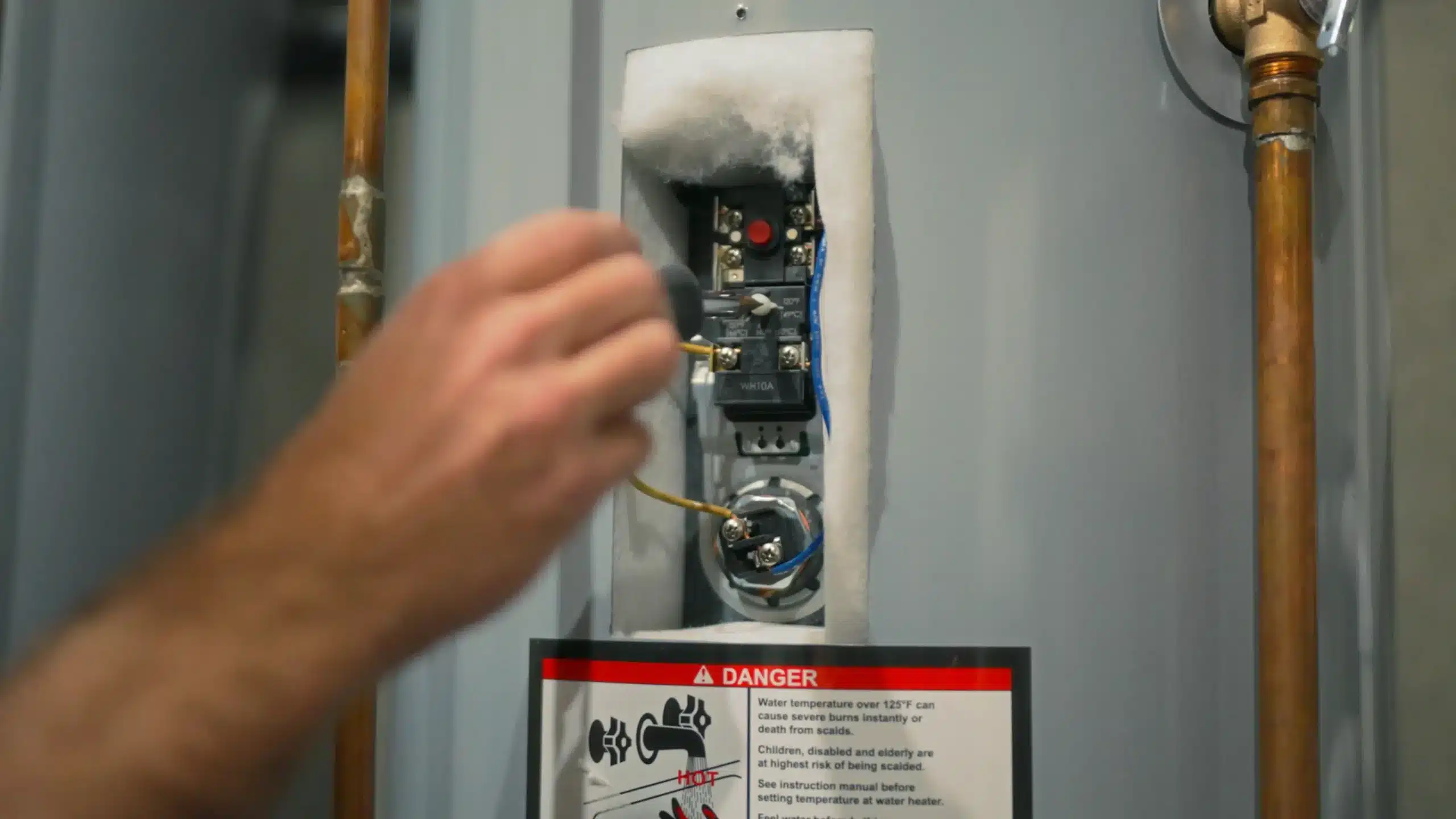
The thermostat on your water heater acts as its “brain,” setting and maintaining the water temperature. Most thermostats are set between 120°F and 140°F, but sometimes a simple bump or unintended reset can knock the thermostat off its ideal setting. Here’s where it gets tricky: if the thermostat is set too low, the water won’t be hot enough to handle high-demand situations, like multiple showers or a dishwasher load.
Another thing to watch for is the thermostat calibration. If it’s not accurately reading the temperature, it may signal the heater to stop warming up the water prematurely. This can be especially problematic in dual-thermostat heaters (common in electric models), where one thermostat regulates the top heating element, and another controls the bottom element. If they’re out of sync, you’ll experience inconsistent temperatures or an overall lukewarm output. Adjusting or recalibrating the thermostat can often resolve these issues, but it’s best to call a professional for a precise reading.
Sediment Buildup: The Hidden Heat Blocker
Sediment buildup is one of the silent offenders in water heaters, especially in areas with hard water. Over time, minerals like calcium and magnesium settle at the bottom of the tank, creating a layer of sediment that insulates the water from the heating element or burner. Imagine trying to heat water with a thick blanket in the way—that’s essentially what sediment does.
This layer not only makes it harder to heat the water but also forces the heater to work harder, leading to reduced efficiency and, ultimately, higher energy bills. In severe cases, the sediment can even start “baking” onto the bottom of the tank, hardening into a stubborn crust. When this happens, you might hear rumbling or popping sounds as water trapped beneath the sediment boils and bubbles up. Flushing the tank every six months can help keep sediment under control, ensuring that the heating elements stay in direct contact with the water, which is essential for consistent, hot temperatures.
Broken Dip Tube: The Cold Water Invader
If you’ve never heard of a dip tube, you’re not alone—it’s one of those “out of sight, out of mind” components that play a critical role. The dip tube is a small but essential plastic tube inside your water heater that directs incoming cold water to the bottom of the tank, where it can be heated. Without it, cold water would mix with the hot water at the top of the tank, reducing the overall temperature of the water that flows out to your faucets.
Now, if the dip tube is cracked, broken, or deteriorated (a common issue in older water heaters), it won’t be able to guide cold water to the bottom properly. This results in a chilling effect, as cold water starts mixing prematurely with the hot water, creating that annoying lukewarm temperature. Replacing a dip tube is relatively straightforward but crucial to restoring your water heater’s ability to produce hot water consistently.
Aging Water Heater: When Time Takes Its Toll
Water heaters have a lifespan, and as they age, their performance inevitably declines. Most units last between 8 and 12 years, but as they get older, they become less efficient at heating and retaining hot water. One major reason for this is the wear and tear on internal components like heating elements (in electric models) or burners and pilot lights (in gas models).
An aging water heater also suffers from more frequent buildup of sediment, mineral deposits, and corrosion, especially on the inside walls of the tank. These issues reduce the tank’s ability to maintain high temperatures and require more energy to keep the water hot. If your water heater is over a decade old and consistently producing lukewarm water, it may be time to consider replacing it. The investment in a new, energy-efficient model can save you from the headaches of frequent repairs and insufficient hot water.
Increased Hot Water Demand: Spreading the Heat Too Thin
If your household size has grown or if you’re suddenly using more hot water (think long showers, multiple appliances running), your water heater might simply be unable to keep up. When the demand exceeds the tank’s capacity, the hot water gets used up faster than it can be heated, leaving you with insufficiently warm water.
Tank-style water heaters store a set amount of water, so once that hot water is depleted, it takes time to heat a new batch. If you’re consistently running out of hot water, it might be worth upgrading to a larger tank or even exploring tankless options that can provide continuous hot water. Managing your hot water usage by staggering showers, laundry, and dishwasher loads can also help.
Cold Weather Impacts: When Winter Chills Your Pipes
As temperatures drop, the incoming water supply gets colder, which means your water heater has to work harder to raise the water to your desired temperature. This increased demand can overwhelm your heater, especially if it’s not in top condition or if the thermostat settings aren’t properly adjusted for winter.
Additionally, colder water in the pipes can lead to a lower starting temperature. When it’s freezing outside, water enters your plumbing system much colder than usual, which can throw off the heater’s ability to reach optimal temperatures quickly. Insulating your pipes and slightly raising the thermostat setting in winter can help counteract this seasonal effect, keeping your water at the perfect temperature despite the chill outside.
When to Call a Pro: Knowing When It’s Time to Get Help
DIY troubleshooting can be incredibly satisfying, especially when a quick adjustment or cleaning session brings your water heater back to life. But sometimes, water heater issues go beyond the realm of DIY. So, how can you tell when it’s time to call in a professional? Let’s dive into the signs of serious issues and the benefits of routine professional maintenance.
Signs of Serious Issues: When DIY Just Won’t Cut It
Some water heater problems are subtle and manageable with a little elbow grease, but others can be red flags for deeper, more complex issues. Here’s what to watch for:
Rust-Colored Water or Metallic Smell
If you notice reddish-brown water or a metallic taste, it could mean there’s corrosion inside your water heater tank. Rust inside the tank typically indicates that the inner lining or anode rod is breaking down, exposing the metal. Unfortunately, corrosion isn’t something that can be fixed with a flush or quick repair—it usually means the tank is near the end of its life. A professional plumber can assess whether a tank replacement is necessary and advise you on your best options.
Frequent Pilot Light Issues (Gas Heaters)
Gas heaters rely on a small flame called a pilot light to ignite the main burner. If the pilot light keeps going out, it could be due to a faulty thermocouple, a dirty pilot opening, or even a draft affecting the flame. While relighting a pilot light is simple enough, consistent issues can signal a larger problem with the gas valve or burner assembly—issues best left to a professional to avoid risks associated with gas.
Water Leaks Around the Heater
A little condensation on the outside of your tank isn’t unusual, but pooling water around the base is a big red flag. Leaks can stem from multiple sources, such as the temperature and pressure (T&P) relief valve, drain valve, or even a crack in the tank itself. A cracked tank is irreversible and will require a full replacement. Even if the leak comes from a valve, a professional can replace it safely and make sure your heater is operating at the correct pressure.
Unusual Noises Like Banging or Popping
Over time, sediment buildup can cause your water heater to make odd sounds. When sediment hardens at the bottom of the tank, the heating element has to work extra hard, causing popping, banging, or rumbling noises. In extreme cases, these sounds can indicate that sediment has created hot spots, which can lead to overheating and structural damage. If a flush doesn’t solve the issue, it’s time to call in a pro for an inspection.
Water Temperature Fluctuations
If your water temperature keeps swinging between hot and cold, it’s more than an inconvenience—it’s a possible sign of a failing heating element (for electric heaters) or burner (for gas heaters). Temperature fluctuations can also indicate issues with the thermostat or wiring, which require special tools and experience to diagnose correctly. A professional can test each component to identify the root cause and repair or replace parts as needed.
Persistent, Unexplained Loss of Hot Water
If you’re constantly running out of hot water despite low demand, it could be a sign that your water heater’s capacity no longer matches your household needs. But it could also mean there’s a fault with the heating elements or burner that’s preventing efficient heating. A professional can evaluate the heater’s output and recommend options, whether it’s an upgrade to a larger tank or a switch to a tankless model.
These signs are often indicators of underlying problems that won’t go away on their own. The longer you wait, the more likely you are to face major repairs—or even a full replacement.
Routine Maintenance Benefits: Keep Your Water Heater in Prime Condition
Routine maintenance is like a regular check-up for your water heater. Just as you’d service a car to keep it running smoothly, a water heater also needs a bit of professional TLC to stay in top shape. Here’s why professional maintenance is a smart move:
Extending the Life of Your Water Heater
A water heater is a long-term investment, and routine maintenance can significantly extend its lifespan. A well-maintained tank can last 10 to 15 years, but without regular checks, you could be looking at a premature replacement. Professionals can spot and address minor issues—like a worn-out anode rod or minor sediment buildup—before they lead to major damage.
Improving Efficiency and Lowering Energy Costs
Over time, sediment buildup can form at the bottom of your tank, insulating the water from the heating element. This makes the heater work harder, consuming more energy and driving up your utility bills. A professional flushes out this sediment during routine maintenance, restoring efficiency and saving you money on energy costs. Additionally, pros can adjust thermostat settings to ensure optimal temperature control, preventing the need for constant re-heating.
Ensuring Safe Operation
Safety is paramount when it comes to gas or electric water heaters. A professional technician will inspect the entire system, from the gas line and burner assembly in gas models to the heating elements and wiring in electric models. They’ll also check the T&P relief valve to make sure it’s functioning correctly. This valve is a critical safety feature that releases pressure if the tank gets too hot, preventing the risk of a tank explosion.
Replacing the Anode Rod
The anode rod is a sacrificial component that attracts corrosive minerals in the water, preventing them from corroding the tank lining. It’s a relatively inexpensive part, but it plays a major role in protecting the tank from rust. During maintenance, a professional will inspect and, if needed, replace the anode rod. Without a working anode rod, your tank’s lifespan could be cut in half due to rust and corrosion.
Maintaining Warranty Coverage
Many water heaters come with warranties that require regular maintenance to stay valid. Failing to schedule professional maintenance might void the warranty, leaving you without coverage if something goes wrong. By scheduling routine check-ups, you keep your warranty intact and ensure that any potential issues can be repaired or replaced under coverage.
Peace of Mind
There’s something reassuring about knowing that your water heater is in good hands. Professional maintenance gives you confidence that your water heater is running safely and efficiently, minimizing the chances of sudden breakdowns. With a pro keeping tabs on potential issues, you can rest easy knowing you’ll have reliable hot water year-round.
Preventive Measures to Keep Your Hot Water Flowing Like a Pro
When it comes to having hot water on demand, a little preventive care can make a world of difference. Let’s dive into a few essential steps that will help keep your water heater in peak condition, ensuring you get that warm comfort without interruptions.
Regular Maintenance – The Secret to Long-Lasting Hot Water
Routine maintenance by a licensed plumber is like a spa day for your water heater. These checks aren’t just a quick once-over; they’re thorough assessments that can catch small issues before they spiral into costly repairs or replacements.
Internal Tank Inspection
A professional can check for internal rust, corrosion, and any developing leaks, particularly around seams and the tank base. They’ll also inspect the anode rod—a critical but often-overlooked component that attracts corrosive elements, sparing the tank itself. If the rod has worn down, a replacement can extend the life of your tank significantly.
Checking Heating Components
For electric models, maintenance involves testing the heating elements to ensure they’re functioning at full capacity. In gas heaters, the technician will inspect the burner and pilot light, making sure combustion is efficient and safe. These heating elements do the heavy lifting to keep your water hot, so keeping them in shape is crucial.
Safety Valve Testing
The temperature and pressure (T&P) relief valve is a small component with a big responsibility: releasing pressure if the tank overheats. Your plumber will test this valve to make sure it’s in top working order. A malfunctioning T&P valve is a serious safety risk, as it could lead to tank over-pressurization.
Flushing the Tank
If you live in an area with hard water, sediment is your tank’s nemesis. Routine tank flushing removes this buildup, which allows the heating element to work directly on the water instead of fighting through a layer of mineral deposits. This process alone can improve your heater’s efficiency by 10-15%!
Upgrading to a Larger or Tankless Water Heater: When to Take the Next Step
Your water heater should fit your household’s needs without breaking a sweat. If you’re constantly running out of hot water or have seen a spike in demand (hello, extra family member or new soaking tub!), it might be time to consider an upgrade.
Signs You Need a Bigger Tank
If you find yourself racing through hot water, it’s possible your current tank doesn’t have the capacity to meet your needs. Standard water heaters range from 20 to 80 gallons, but a household of four may need at least a 50-gallon tank, especially if you have high-demand appliances like washing machines or large showers.
Advantages of Going Tankless
Tankless water heaters offer endless hot water and free up space in your home. They work by heating water on demand, which means no standby energy loss from keeping a large tank warm 24/7. While tankless models have a higher upfront cost, they tend to last longer and can reduce your energy bill by 20-30%. The key to a tankless system is selecting the right size (in gallons per minute) based on your peak hot water usage.
Considering Hybrid Models
Hybrid water heaters combine the best of both worlds: they store hot water like a traditional tank but use heat pump technology to reduce energy consumption. They’re an excellent choice for larger households that need a consistent hot water supply without the constant heating costs of a traditional tank.
An upgrade isn’t just a “nice to have”—it’s a way to future-proof your home’s hot water supply and improve energy efficiency.
Installing a Water Softener: Protecting Your Heater from Hard Water Hassles
In areas with hard water, installing a water softener is a game-changer for your water heater’s performance and lifespan. Hard water is rich in minerals like calcium and magnesium, which can wreak havoc on your heater over time. Here’s how a water softener can help:
Preventing Sediment Buildup
When hard water is heated, minerals precipitate and settle at the bottom of the tank, creating a layer of sediment. This sediment acts as an insulator, forcing the heater to use more energy to reach the desired temperature. A water softener reduces mineral content, minimizing sediment buildup and letting the heating element work directly on the water.
Extending Heater Life
Sediment buildup isn’t just an efficiency issue; it’s also corrosive. Over time, these deposits can create hot spots that lead to tank cracks and leaks. By softening your water, you’ll protect the tank lining and the heating elements, which ultimately extends the life of your heater.
Improving Heating Efficiency
With softer water, your heater doesn’t have to work as hard, resulting in smoother, faster heating cycles. You may even find your water heater recovers faster, allowing for consistent hot water during peak usage times.
A water softener not only benefits your water heater but also improves the performance of other water-using appliances in your home, making it a worthwhile investment.
Adjusting for Seasonal Changes: Adapting to the Temperature Swings
As the seasons change, so does your water heater’s workload. Colder winter temperatures can affect your hot water output, while warmer summer weather might allow for more energy-efficient settings. Here’s how to optimize your water heater throughout the year:
Winter Adjustments
During winter, the incoming water supply is colder, meaning your heater has to work harder to bring it to your desired temperature. Increasing the thermostat by a few degrees (within safe limits) can help maintain consistent hot water. In extreme cold, consider insulating both the tank and the hot water pipes to retain as much heat as possible. Pipe insulation can reduce heat loss by up to 20%, making a noticeable difference during chilly months.
Summer Settings
In summer, the incoming water is naturally warmer, which means your heater doesn’t have to work as hard. Lowering the thermostat a bit during these months can save energy without sacrificing comfort. You’ll still get hot water but with a reduced load on your system and less wear on the components.
Checking the T&P Valve
Seasonal temperature changes can also impact your water heater’s temperature and pressure relief (T&P) valve. As the demand on your system shifts, make it a habit to check the T&P valve twice a year to ensure it’s releasing pressure properly. This simple check can prevent overheating and reduce the risk of leaks.
Inspecting External Vents (Gas Heaters)
Gas water heaters require proper ventilation, which can be affected by weather conditions, especially in winter when snow or ice may obstruct vents. Inspect and clear any snow, leaves, or debris around your heater’s vent to ensure safe and efficient operation. A clear vent not only supports combustion but also prevents dangerous backdrafts of exhaust gases.
Seasonal adjustments aren’t just about comfort; they’re about optimizing your heater’s performance based on environmental factors, helping it operate efficiently year-round.
Conclusion: Why is my hot water not as hot?
As we’ve explored, lukewarm water can stem from a variety of causes, from thermostat misconfigurations and sediment buildup to aging components and seasonal temperature changes. Addressing these issues can o
I am fairly certain a water heater will lose 10-20 degrees over the course of 8 hours. This can often be done with simple adjustments, regular maintenance, and—when it’s time—a system upgrade to meet your household’s needs. By staying proactive, you’ll not only keep your water heater running efficiently but also avoid unexpected surprises so you can enjoy that steady stream of hot water all year long.
Schedule an Inspection with a Plumbing Professional
Don’t let lukewarm water slow you down. With a professional inspection from Call Smedley, you’ll have peace of mind knowing that your water heater is in expert hands. Our team specializes in spotting issues before they become costly problems, helping you maintain a reliable, efficient hot water system. So why wait? Schedule a checkup with us today, and let’s make sure your home’s hot water is always ready when you need it.