A clogged floor drain in your laundry room can mess up your routine and may cause expensive plumbing repairs. This guide will look at common reasons for floor drain backups, warning signs to notice, and helpful solutions to fix the problem. Knowing how to care for this important plumbing part can save you trouble and keep your laundry area working well.
The Crucial Role of Floor Drains in Your Laundry Room
Floor drains are often overlooked, but they are very important in a laundry room. Their main job is to collect extra water from leaks, spills, or overflows from appliances. If your floor drain does not work well, your laundry room can suffer from water damage and possible hazards.
These drains are placed at the lowest part of the room. This way, they can effectively gather the water and send it to the sewer system. They help keep water from building up on the floor, which stops it from soaking into the foundation or harming your things.
How Proper Drainage Can Prevent Water Damage
A working floor drain is your best protection against water damage in the laundry room. When water from leaks, spills, or overflowing machines can flow away easily, it helps lower the chance of expensive repairs.
Water damage can show up in many ways, like bent floorboards, mold, and damage to the building. Keeping your floor drain clear and draining well makes your laundry area safer.
By checking and cleaning your floor drain often, you can stop these issues and keep your home safe from possible dangers.
The Connection Between Floor Drains and Overflow Protection
Floor drains are very important for stopping overflow, especially from washing machines. Overflows can happen for different reasons. This includes broken water inlet valves or clogged drains.
When there is an overflow, the floor drain helps by catching the water. This keeps your laundry room safe from flooding. If your floor drain does not work properly, water from a washing machine could cause a lot of damage and be a safety risk.
It’s important to keep the floor drain clear so your plumbing can deal with potential overflows well.
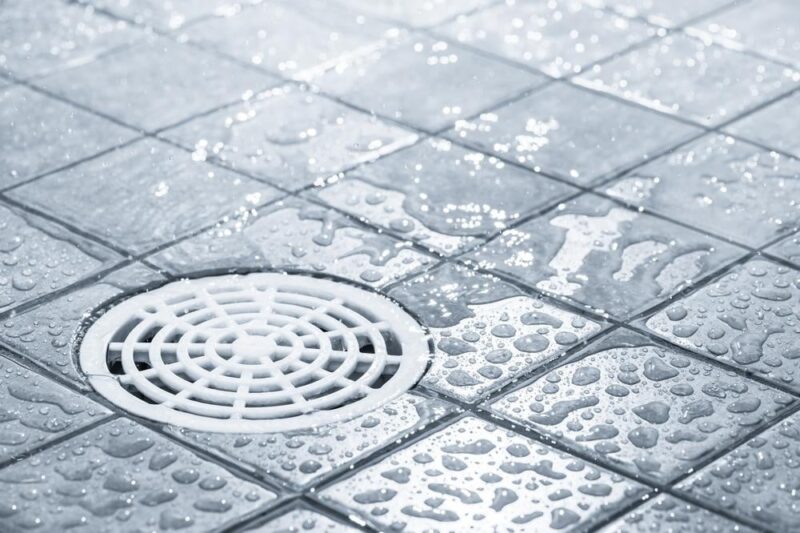
Finding the main cause is very important for fixing a backed-up floor drain. The problem might be a blockage in the drain itself, or it could be deeper in the plumbing system.
Things like dirt buildup, outside blockages, or issues with the main sewer line can cause a floor drain backup. Knowing these possible causes can help you decide how to fix the problem.
The Common Culprits: Laundry Debris and Clogs
One common reason for floor drain backups in laundry rooms is the buildup of laundry debris. Lint, hair, fibers, and detergent residue can collect in the drainpipe. This can slow down the water flow and cause a clog.
Over time, these materials form a tough blockage that stops water from draining well. This buildup happens slowly, so you might not see a problem until the drain is really clogged.
To prevent these clogs, it is important to act. You can use a drain strainer to catch debris before it goes into the plumbing system. Also, make it a habit to regularly remove any lint or hair you see in the drain opening.
External Factors: Main Sewer Line Blockages and Heavy Rain
Laundry clogs are common, but other factors can also cause floor drain backups. One main reason is a blockage in the main sewer line. This line carries wastewater from your home to the city sewer system.
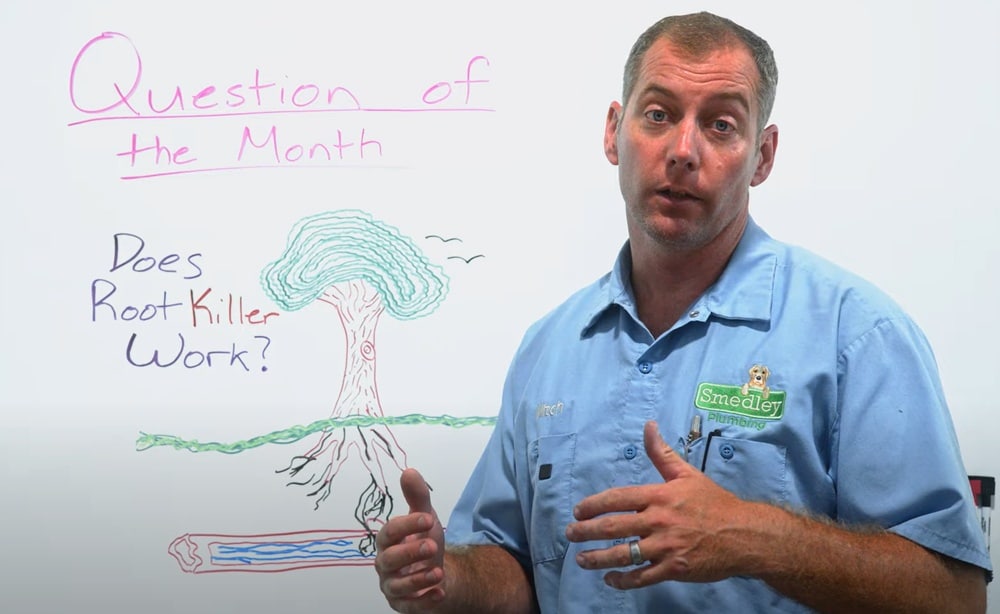
Tree roots, grease buildup, or items stuck in the sewer line can block the flow of wastewater. This can cause backups in not just the floor drain but also in other plumbing fixtures. Heavy rain can make these drainage problems worse.
When the city sewer system becomes too full, it can push waste back into your home’s plumbing. This leads to backups in lower fixtures like floor drains.
Signs It’s Time to Call for Professional Help
Recognizing the warning signs of a possible floor drain backup is important. It helps you deal with the issue quickly and stops more damage from happening. Some signs are easy to notice, while others may be harder to see.
By learning about these signs, you can act early. This can help reduce the problem before it turns into a big plumbing emergency. Taking action early can mean easier and cheaper fixes.
Identifying Early Warnings: Slow Drainage and Foul Odors
One of the first signs that your floor drain may have problems is slow drainage. If you see water gathering around the drain or it takes longer than normal to go away, something could be blocking the water flow.
Another sign to look for is bad smells coming from the drain. When debris builds up in the drainpipe, it can attract bacteria and create unpleasant odors in your laundry room. These smells may get stronger over time or when you run water.
If you smell a strong sewer-like odor from your floor drain, it’s very important to check it out. Fixing the issue quickly can help avoid health risks and more plumbing problems later on.
Visible Indicators: Standing Water and Recurring Backups
- Pay attention to serious warning signs. Standing water on the basement floor drain is a red flag. This is especially true after you use the washing machine or water in the laundry room. It means there may be a big blockage stopping the drain from moving water away properly.
- Frequent backups are also a concern. If your floor drain backs up often, even after you try to clear it, there may be a plumbing problem that needs a professional. Ignoring these recurring backups can cause major water damage and lead to expensive repairs.
- If you see standing water or have repeated backups, you should call a qualified plumber. They can find the main cause and help you fix it for good.
Why You Shouldn’t Ignore a Backed-Up Drain
Water Damage
Even a small backup can lead to flooding, which can damage floors, walls, and the foundation of your home.
Health Risks
Standing water can attract mold and mildew, which can cause breathing problems. Sewer gas leaks are another health hazard you shouldn’t ignore.
Higher Costs
Putting off repairs can turn a simple fix into an expensive project. Addressing the issue early can save you time and money.
Persistent Odors
The smell from a backed-up drain can linger, making your laundry room and surrounding areas unpleasant to use.
DIY Solutions for a Backed-Up Floor Drain
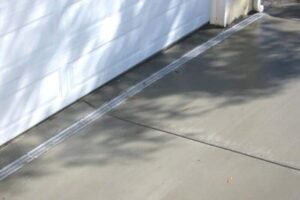
When you have a backed-up floor drain, there are a few DIY solutions you can try on your own before you call a plumber. Sometimes, small problems can be fixed with simple steps that help clear minor clogs and get drainage working again.
But be careful. Avoid using strong chemicals, as they can harm your pipes and hurt the environment. If your attempts to fix the drain don’t work or make the problem worse, it’s a good idea to ask a professional for help.
Simple Steps to Take Immediately
If you think your laundry room floor drain is backing up, you can follow these simple steps:
- Remove Visible Debris: First, take away any visible debris from the drain opening. You can use your gloved hands or a small tool like a wire coat hanger. This will help clear any blockages right away.
- Flush with Hot Water: Pour hot water down the drain. This can help break down grease and soap scum that might be causing the clog.
- Use a Plunger: A plunger can help get rid of tough clogs. Make sure to use a plunger that fits well over the drain to create a good seal.
Homemade Remedies: Baking Soda and Vinegar Mix
For a simpler way to clean your drain, try using baking soda and vinegar:
- Pour Baking Soda and Vinegar: First, pour about a cup of baking soda into the drain. Then, add a cup of vinegar.
- Let the Mixture Sit: Let this mixture sit for at least 30 minutes. This helps break down any clogs.
- Flush with Hot Water: After 30 minutes, flush the drain with hot water. This will remove the baking soda and vinegar mix, along with any loosened dirt.
How Smedley Plumbing Solves Floor Drain Backups
1. Professional Drain Cleaning
We remove blockages caused by lint, grease, or debris using specialized tools. This method restores water flow and clears your pipes without causing damage.
2. Hydro-Jetting
For tough clogs, we use high-pressure water jets to clean out grease, roots, and other obstructions from your pipes. This method not only clears the blockage but also helps prevent future buildup.
3. Sewer Line Inspections
Using advanced video cameras, we inspect your sewer line to identify blockages, cracks, or other damage deep in your system.
4. Repairs to Plumbing Systems
If we find venting problems or damaged pipes, we handle the repairs with minimal disruption to your home. Our trenchless methods ensure the job gets done without tearing up your property.
Plumbing problems don’t wait for a convenient time, so neither do we. Whether it’s a late-night backup or an early morning pipe burst, we’re just a call away.
How to Prevent Future Backups
1. Clean Regularly
Flush your floor drains with hot water every month and remove any visible debris to keep them clear.
2. Install Drain Covers
A simple cover can block lint, dirt, and small objects from entering the drain.
3. Watch What Goes Down the Drain
Avoid letting grease, oils, or other clog-causing materials go down the drain. These can solidify and create blockages.
4. Maintain Your Plumbing System
Schedule regular maintenance with a trusted plumber to catch and resolve small problems before they grow.
5. Be Prepared for Rain
Consider installing a backflow prevention device if you live in an area prone to heavy storms or flooding.
Call Smedley Plumbing Today
Don’t let a backed-up laundry room floor drain cause more stress or damage. Call Smedley Plumbing for quick, reliable service in Kansas City. We’ll get your drains working like new so you can focus on what matters most. Call us today at (816) 763-3539 or book an appointment online!