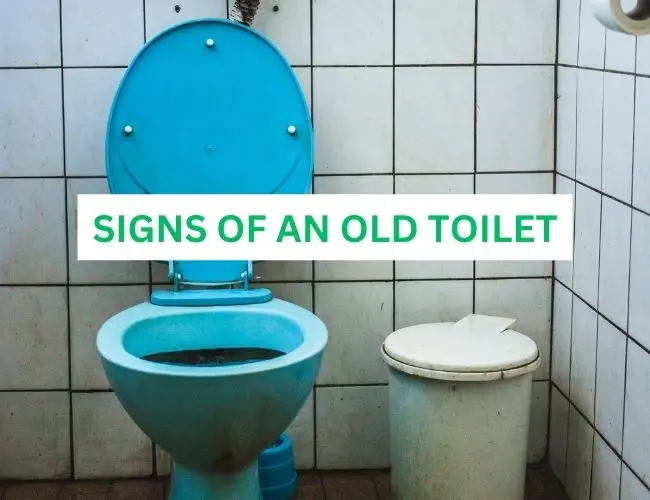
Most toilets last about 10 to 15 years. Some hold up longer with regular care, but eventually, the signs of wear start to show.
Leaks, hairline cracks, weak flushes, and rising water bills aren’t just small annoyances—they’re warnings. And if you wait too long, what could’ve been a simple swap turns into water damage, wasted money, and a rushed emergency call.
At Smedley Plumbing, we’ve replaced thousands of toilets across Kansas City homes, ranging from 1960s models wasting gallons of water per flush to newer units with hidden cracks. In this guide, we’ll show you how to spot the top signs your toilet needs to go—and how to avoid problems before they start.
Introduction to Toilet Lifespan
Toilet Lifespan – When It’s Time to Let Go
At Smedley Plumbing, we’ve worked on thousands of toilets, and they don’t last forever. Like any part of your home, they wear out over time.
Most toilets are replaced every 10 to 15 years, but when cared for properly, they can last up to 50 years or more.
If your toilet clogs often, runs constantly, or needs frequent repairs, it might be time for a replacement. Cracks, leaks, and wobbly toilet seats are also clear signs.
Even small problems like mineral deposits or a faulty flapper valve can point to bigger issues. Replacing your toilet now can save you money and frustration later.
Clear Signs Your Toilet Needs Replacing
Let’s face it—no toilet lasts forever. Over time, wear and tear start to show. If you know what to look for, you can catch the warning signs before things get messy.
Imagine this: tiny cracks showing up across the surface of your toilet like faint spiderwebs. They might seem small, but they can lead to leaks, and leaks lead to water damage fast.
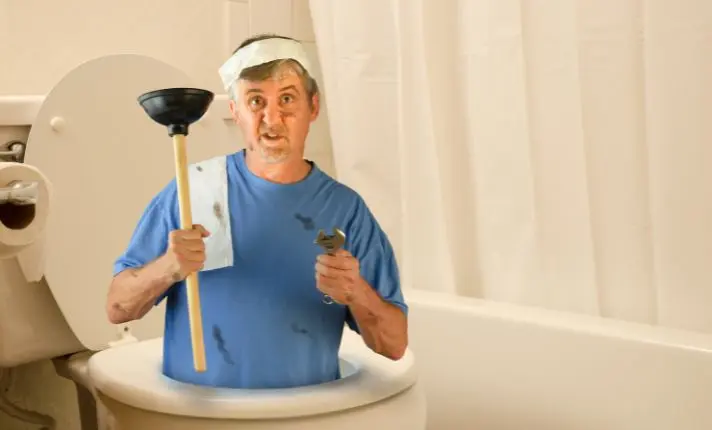
Then there’s the never-ending battle with your plunger. If you’re grabbing it more often than your coffee mug, your toilet might be crying out for help. Add in old-school designs that suck up way too much water, and you’re looking at a setup that’s draining more than just the bowl.
Old toilets aren’t just clunky, they waste water and cause stress. Let’s talk about the key signs it’s time for an upgrade.
Don’t ignore these warning signs:
Hairline cracks in the tank or bowl or bowl of your toilet
Frequent leaks, loose bolts, or running water
Constant need for a plunger or repairs
Stains that won’t go away no matter how much you clean
Toilet Tank refills slowly, or flushes weakly
Toilet wobbles or shifts when you sit
Cracks in the Porcelain
If your toilet looks like it’s got faint lines running through the bowl or tank, that’s not just aging, it’s a warning. These hairline cracks might not leak today, but they often grow. And when they do? You’re dealing with puddles, ruined floors, and an even bigger headache.
These small cracks might not seem like a big deal at first. But just like a tiny chip in a windshield, they spread. And once they do, things go downhill fast. Spotting these early is your best bet. It could save you from cleaning up water where you really don’t want it.
Too Many Repairs
A good toilet should hold up for years with just a bit of care. But when parts keep breaking, it starts to feel like you’re chasing problems nonstop.
Think about it:
You’ve swapped out the valve more times than you’ve changed your calendar.
The flapper keeps slipping, and now your toilet makes ghost noises in the middle of the night.
Even the bolts and hinges are rusting way sooner than they should.
At first, it’s just a quick fix. A few turns of the wrench. Then you’re calling someone out every few months. Before long, you’ve spent more money fixing your old toilet than you would’ve on a new one.
When it gets to that point, replacing the whole thing just makes sense.
Outdated Toilet Design & Efficiency
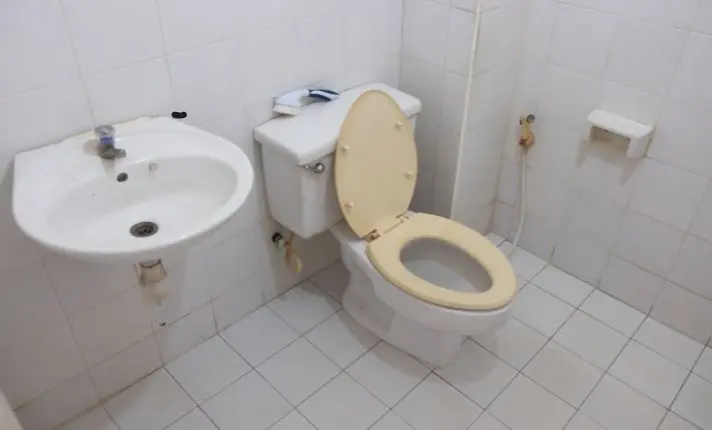
Let’s turn back time a little and imagine we’re in an era where toilets, unabashed guzzlers of gallons, were the norm. That old, hefty tank in your bathroom could be a relic of the Energy Policy Act of 1992, a silent thief of both water and money, a stubborn holdout in your home against the trends of efficiency. Swapping it for a low-flush design not only aligns you with modern water-sense standards but also offers a reprieve to your utility bills.
In fact, out of the 10 million toilets sold each year in the U.S., around 70% are installed during remodels, often to update older, water-wasting models.
Now, look around your bathroom. Does your toilet need more than one flush to clear the bowl? Does the tank refill slowly, making all kinds of hissing and gurgling noises? These little things add up. Upgrading to a low-flush toilet isn’t just for looks. It’s a smart step that helps your home run smoother and lowers your monthly bills.
Stains That Won’t Budge
You’ve scrubbed and sprayed, but those stains just won’t go. Sound familiar? We’ve seen clean white bowls turn dull and stained. Sometimes it’s not about the cleaner. It’s the surface itself breaking down with age.
When that happens, it doesn’t just look bad. It means your toilet is worn out. And it’s not just about what you can see. Those stains are telling you it’s time for a new start. If you’re in Kansas City and need a hand, give us a call.
Cracks and Chips
Look closely. Do you see tiny cracks or missing pieces around the bowl or base? Even small damage like that can let water leak out or give germs a place to grow. Over time, those little flaws become big problems.
It’s frustrating, we know. But don’t feel stuck. These cracks are just signs that your toilet has done its job for years. And now it’s time to bring in a fresh, clean upgrade that won’t let you down.
Strange Sounds or Water That Won’t Stop
Ever hear water running in your toilet long after the flush? That quiet trickle in the tank isn’t normal—it’s a sign something’s wrong. It wastes water and drives up your bill.
Then there are the odd gurgles and groans. They’re more than weird noises. They are warnings that parts inside the toilet are wearing out fast. And if water is pooling where it shouldn’t be, you could be dealing with a leak. A quick fix might not cut it. Sometimes, it’s just time for a full replacement. And if you’re also seeing slow drains, check out how we handle clogged pipes too.
Now, let’s talk about the impact of water damage – that ever-present danger that can wreak havoc in the nooks and crannies of your bathroom. You might think that it will contain itself to the bowl or the tank, but water is a sly invader. It finds a path through the smallest fissures and into the surrounding structures of your home.
💡 Pro Tip: If your toilet shows two or more of these signs, it’s almost always more cost-effective to replace than keep patching it.
Impact of Water Damage
Location | Type of Damage | Consequence |
Bowl & Tank | Leaks & Overflows | Floor damage, mold growth, and unsightly stains |
Pipes & Fittings | Corrosion & Breakage | Structural damage, costly repairs |
Bathroom Floor | Seepage & Dampness | Tile displacement, subfloor deterioration |
Surrounding Areas | Moisture Spread | Risk to electrical systems, adjoining rooms affected |
The Quiet Trouble Starts Small
It begins with a soft drip. Not loud. Not urgent. Just there.
But over time, that drip grows. It becomes a steady leak. Now your floors are slick and unsafe. Someone could slip. And that constant moisture? It’s the perfect setup for mold to move in.
Before you know it, what seemed like a small problem is starting to take over.
The Real Problem Lies Below
Sometimes the real danger hides where you can’t see it—deep in your walls or under the floor. Corrosion can slowly eat away at your pipes, out of sight. You may not notice until there’s a real mess.
But with our years of plumbing experience, we know what to look for. We spot trouble early and move fast to fix it.
It Spreads Before You Notice
A leaky toilet isn’t just a bathroom issue. Water can slip through walls, under floors, and into places you wouldn’t expect. Over time, it can ruin your kitchen floors or stain your living room ceiling.
Water damage can be expensive and make your home look worn down. The longer it’s left alone, the worse it gets.
The Cost of Waiting to Replace Your Toilet
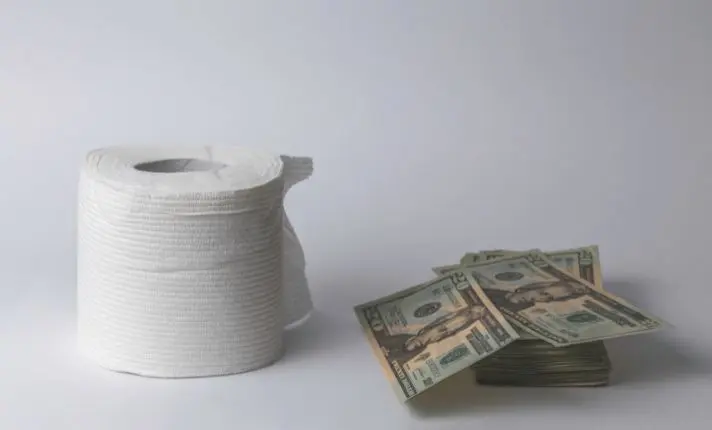
Small Issues Turn Into Bigger Repairs
A slow leak turns into moldy floorboards. A loose seal ruins your subfloor. That ghost flush at night? It’s costing you money every hour.
You Spend More Fixing Than Replacing
We had a customer in Brookside who spent $240 over six months on repairs—flapper, flush valve, gasket, and new handle. We replaced it with a water-saving model for less than that. The difference? No more problems.
You Waste Time and Peace of Mind
If you have to “jiggle the handle” or hold your breath during every flush, that’s a sign. Your time matters. So does peace of mind. A toilet should just work—without thought, noise, or surprises.
Your Water Bill Creeps Up
One constantly running toilet can waste up to 200 gallons a day. That’s over 6,000 gallons a month. You’ll see it on your water bill—and it adds up fast.
Bottom line: If you’re dealing with repeat clogs, leaks, or mystery puddles near the base of your toilet, stop patching and start planning for a replacement.
Choosing the Right Replacement Toilet (Without Guesswork)
Picking a new toilet isn’t complicated, but it’s easy to get it wrong if you don’t measure first.
We’ve replaced toilets in tight half-baths, odd-shaped vintage homes, and narrow guest bathrooms in Brookside. The biggest mistake we see? Choosing a toilet that doesn’t fit the space.
Measure Before You Shop
To avoid headaches during installation, check the following:
Rough-in measurement: Distance from the wall to the center of the drain (usually 12″, but older homes may be 10″ or 14″)
Toilet width and depth: Make sure there’s enough clearance from walls, doors, or cabinets
Tank height: Low-profile tanks work better under shelves or in tight spaces
A toilet might look great online, but if it doesn’t fit your existing plumbing, it’ll cost more to modify everything, and delay your install.
What We Recommend
We typically install modern WaterSense-certified toilets. They use less water (1.28 GPF or less), flush better than older models, and save you money every month.
Not sure which style fits your bathroom? We’ll recommend a few proven models we’ve installed dozens of times—and show you photos from similar homes so you can see what it’ll look like.
Why Homeowners Trust Smedley Plumbing to Replace Their Toilets
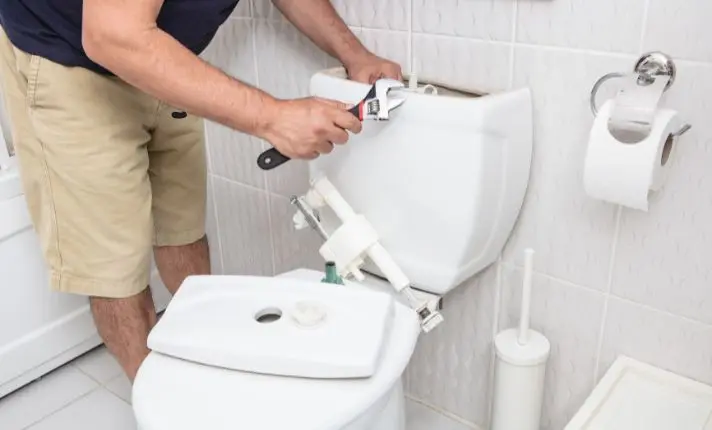
We don’t send sales reps, we send licensed and professional plumbers who’ve replaced thousands of toilets across Kansas City homes.
Every job is handled by someone with 10,000+ hours of in-field experience. No upsells. No guesswork. Just honest advice and clean work.
What You Get When You Work With Us:
Straight answers – If your toilet can be fixed, we’ll fix it. If not, we’ll tell you why.
Flat pricing – You’ll know the full cost before we start.
Fast turnaround – Most installs are done in one visit.
Clean work, every time – Shoe covers, floor protection, and no mess left behind.
We stand behind it – If something’s not right, we’ll come back and make it right.
ZERO Mess, All Fix” – A Quick Story from the Field
We remember helping Jodi Norton with her toilet. It wasn’t flushing right, and she wasn’t sure if it was worth fixing or if it was time for a new one.
We took a look, gave her the facts, and let her decide.
As she put it, “Diagnosed problem quickly and I opted to replace vs repair.” No pressure—just the right call for her home.
We got to work right away. The replacement went smoothly, and just like always, we made sure everything was clean before we left. Jodi wrote, “He had the job done quickly and left ZERO mess.”
That’s something we take pride in—getting it done right and leaving your home as clean as we found it.
She also said, “Very friendly and professional.” That’s the goal. Every visit. Every time.
And the best part? Jodi finished her review with the words we love to hear:
“I will use Smedley Plumbing again.”
Bottom Line: Don’t Wait for a Bigger Problem
If your toilet leaks, clogs often, or just doesn’t work the way it used to, it’s not going to fix itself. Most of the serious water damage we’ve seen started with a tiny crack or a loose seal that someone ignored for too long.
Here’s what to watch for:
Hairline cracks in the bowl or tank
Repeated repairs and running water
Weak flushes or high water use
Wobbling, leaks, or mystery puddles
Stains that never go away
If it checks two or more of these boxes, it’s time to plan for a toilet replacement. It’ll save you time, stress, and hundreds on repairs or water bills later.
Call Smedley Plumbing, and we’ll give you honest advice. No pressure. No gimmicks. Just the right solution for your home.